
That ringing, buzzing, hissing or whooshing that nobody else can hear has a name: tinnitus. It is very common. Large surveys suggest that around one in ten adults experience it at some point, and for some people it becomes a constant background companion that makes it hard to sleep or concentrate.
The good news is that for most people tinnitus is not a sign of something dangerous, and there are practical things that genuinely help. This guide walks through them in plain English.
Key takeaways
- Tinnitus is usually not dangerous, but it can be bothersome or distressing.
- The most common causes are age-related hearing loss, loud noise exposure and ear conditions.
- Get your hearing checked early, especially if tinnitus lasts more than a week or is affecting your life.
- Using background sound, hearing aids and proven therapies can make tinnitus less noticeable and easier to live with.
- Supplements are not proven to work for most people, but may be considered if you have a deficiency.
- Seek urgent care if tinnitus comes with sudden hearing loss, severe headache, dizziness or follows a head injury.
What tinnitus actually is
Tinnitus is not a disease in itself. It is a symptom: the brain perceiving sound when there is no outside sound. The most widely accepted explanation is that when the inner ear sends the brain less information (often because of hearing loss), the brain “turns up the volume” on its own activity, and we hear that as ringing or buzzing.
The sounds of tinnitus can vary widely. Some people hear a high-pitched ringing, while others notice buzzing, hissing, roaring, clicking or even pulsing sounds. Tinnitus can be constant or come and go. For many, it is most noticeable in quiet environments, such as at bedtime.
Tinnitus is a signal-processing issue, not a sign that you are “hearing things” or losing your mind. It is extremely common, especially as we get older.

Common causes
- Age-related hearing loss. The most common cause, usually from the 50s onwards.
- Loud noise exposure. Concerts, power tools, headphones at high volume, or a noisy workplace.
- Earwax build-up blocking the ear canal.
- Ear infections or fluid behind the eardrum.
- Some medications, including high doses of aspirin and certain antibiotics, diuretics and chemotherapy drugs.
- Jaw and neck problems such as TMJ disorders.
- Stress, poor sleep and caffeine, which do not usually cause tinnitus but can make it louder and more noticeable.
Less commonly, tinnitus can be linked to conditions such as Meniere’s disease, vascular problems, or head and neck injuries. Sometimes, no specific cause can be found.
How these causes lead to tinnitus
Most causes of tinnitus disrupt the normal flow of information from the ear to the brain. For example, damage to the tiny hair cells in the inner ear from loud noise or aging reduces the input to the brain. The brain, in response, increases its sensitivity and may generate phantom sounds. Blockages like earwax or infections change how sound is transmitted, sometimes resulting in temporary tinnitus. Medications that are toxic to the ear (called ototoxic drugs) can also disturb the delicate structures of the inner ear, leading to tinnitus.
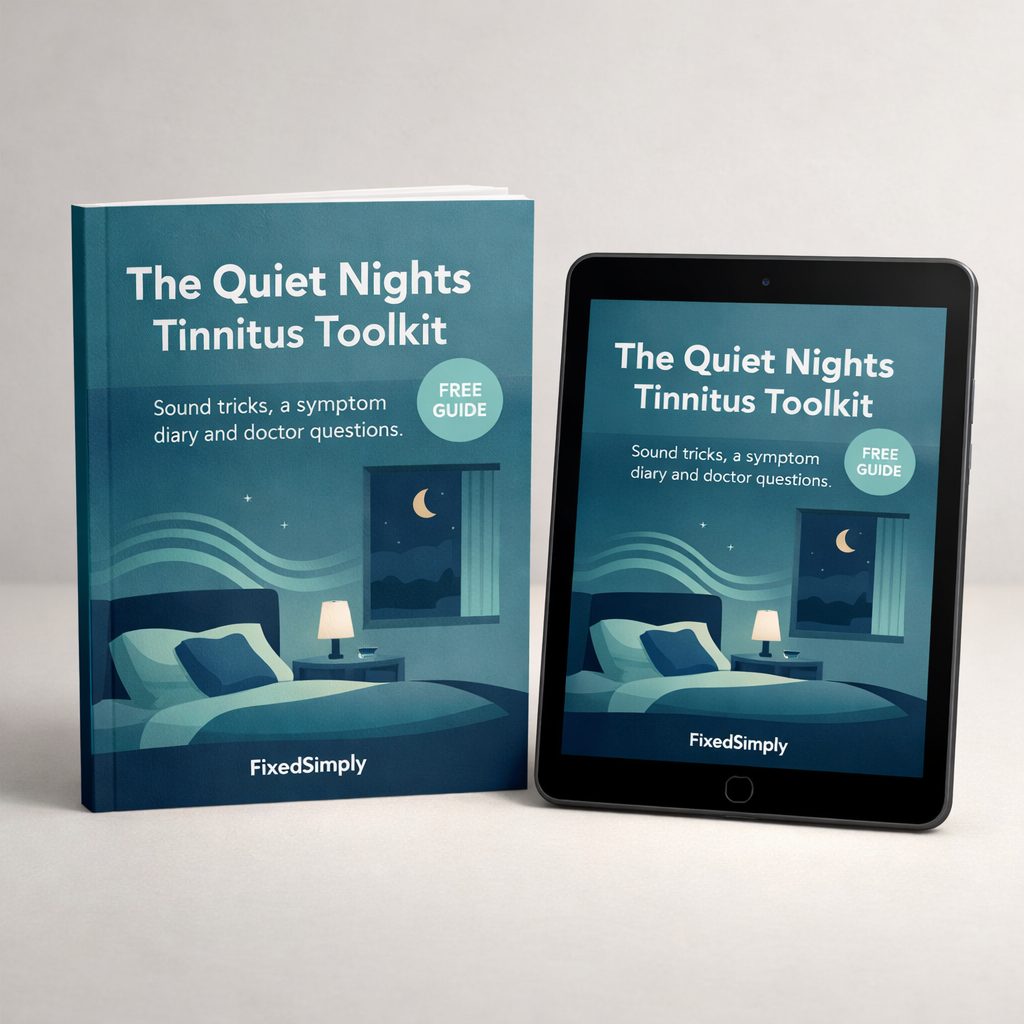
The Quiet Nights Tinnitus Toolkit
Calmer ears, better nights. Inside you get:
- 7 sound tricks that make ringing less noticeable
- A printable symptom and trigger diary
- The questions to ask your doctor or audiologist
100% free. No spam, unsubscribe anytime. Privacy policy.
When to see a doctor (and when to go quickly)
See your doctor or an audiologist if tinnitus lasts more than a week or two, affects your sleep or mood, or comes with hearing loss. Get urgent help if you notice sudden hearing loss in one ear, tinnitus that beats in time with your pulse, or tinnitus with dizziness, weakness or a severe headache. Sudden hearing loss is treated as an emergency because early treatment improves the chances of recovery.
- Sudden hearing loss: Especially in one ear, this can indicate a medical emergency.
- Pulsatile tinnitus: Tinnitus that sounds like a heartbeat can be a sign of a blood vessel problem.
- Neurological symptoms: Dizziness, weakness, trouble speaking or a severe headache may indicate a more serious issue.
- After a head injury: Always seek prompt medical evaluation.
For most people, tinnitus is not dangerous. However, it is important to rule out treatable causes and address any underlying medical issues.
Steps that genuinely help
1. Get your hearing checked
Because hearing loss is behind so much tinnitus, a hearing test is the single most useful first step. For many people, hearing aids reduce tinnitus noticeably simply by giving the brain more real sound to work with. Many modern hearing aids also have built-in tinnitus sound programs.
- Why it helps: Restoring hearing reduces the brain’s need to “fill in the gaps” with phantom sounds.
- What to expect: An audiologist will test your hearing and discuss options. If hearing aids are recommended, they can be adjusted to your needs.
- Common mistake: Waiting months or years before having a hearing check. Early intervention works best.
2. Use sound, not silence
Tinnitus is loudest in a quiet room. A fan, soft music, rain sounds or a white-noise app at a low level takes the edge off, especially at bedtime. The goal is not to drown the tinnitus out, but to make it less noticeable.
- Types of sound: White noise, nature sounds, soft music, or even a radio tuned to static can help.
- How to use: Set the volume just loud enough to blend with your tinnitus, not overpower it.
- Common mistake: Using sound that is too loud, which can cause further hearing damage or make tinnitus worse.
3. Try a proven therapy
Cognitive behavioural therapy (CBT) for tinnitus has some of the strongest research behind it. It does not make the sound disappear, but it reliably reduces how much it bothers people. Tinnitus retraining therapy and sound therapy programs work on similar principles.
- CBT: Helps change your response to tinnitus, reducing distress, anxiety and sleep problems.
- Tinnitus retraining therapy (TRT): Combines counseling with sound therapy to help your brain “tune out” tinnitus over time.
- Access: Ask your doctor or audiologist for a referral, or look for therapists experienced in tinnitus management.
- Common mistake: Expecting therapy to make tinnitus silent. The goal is to make it less intrusive, not to eliminate it entirely.
4. Protect your ears
Use earplugs at concerts and with power tools, and keep headphone volume moderate. This prevents further damage that could make tinnitus worse.
- Tips: Choose earplugs designed for musicians or high-fidelity earplugs for better sound quality.
- Volume limits: Keep personal audio devices at 60 percent volume or lower, and take listening breaks.
- Common mistake: Overusing earplugs in quiet settings, which can make your ears more sensitive to tinnitus. Use them mainly in loud environments.
5. Look after the basics
Better sleep, less caffeine and alcohol if you notice they make it worse, regular exercise and stress management all help many people. Ask your doctor to review any medications that may be contributing.
- Sleep: Use a bedtime routine and background sound if tinnitus keeps you awake.
- Diet: Some people find that caffeine, alcohol or salty foods make tinnitus worse. Keep a diary to spot patterns.
- Exercise: Regular movement improves blood flow and mood, both of which can help.
- Stress: Try relaxation techniques like deep breathing, meditation or gentle yoga.
- Medication review: Some drugs can worsen tinnitus. Never stop a medication without talking to your doctor.
What about tinnitus supplements?
You will see many supplements marketed for ringing ears and “ear health”. Most contain combinations of vitamins, minerals and plant extracts such as ginkgo biloba, zinc, magnesium, B vitamins and various herbs.
It is important to be realistic. Research on supplements for tinnitus is limited and mixed. Reviews of ginkgo biloba, for example, have generally not found a clear benefit for tinnitus. Supplements are most likely to help if you are actually low in a nutrient (such as vitamin B12 or zinc), which your doctor can check with a simple blood test.
Some readers still choose to try a supplement alongside the steps above, often because it comes with a money-back guarantee. If you do, three tips:
- Check the ingredient list with your pharmacist, especially if you take blood thinners or other regular medication.
- Be wary of any product that promises to “cure” tinnitus.
- Make sure you understand the refund terms before you buy.
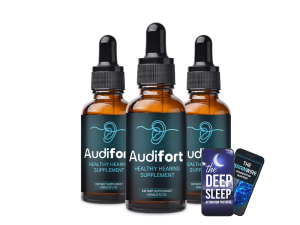
Popular options readers ask about include Audifort, Quietum Plus and Zeneara. These are dietary supplements whose claims have not been evaluated by the FDA, and they are not a replacement for a hearing test or medical care.


Checklist: What to try for tinnitus
- Have a hearing test with a professional.
- Use low-level background sound, especially at night.
- Consider CBT or tinnitus retraining therapy if it is affecting your mood or sleep.
- Protect your ears from loud noise, but do not overuse earplugs in quiet places.
- Review your medications with your doctor or pharmacist.
- Look after your general health with good sleep, exercise and stress management.
- If considering a supplement, discuss it with your healthcare provider and check for possible interactions.
Frequently asked questions
Is tinnitus permanent?
Tinnitus is often temporary, especially if it is caused by loud noise exposure, ear infections or medications. However, when linked to permanent hearing loss or age-related changes, it may be long-lasting. Many people find it becomes less noticeable over time, even if it does not go away completely.
Can anything cure tinnitus completely?
There is no guaranteed cure for tinnitus. Treatments can help make it less noticeable or bothersome, but no supplement, device or procedure has been proven to cure tinnitus in everyone. Be cautious about products or clinics promising a “cure.”
Will hearing aids help my tinnitus?
For many people with hearing loss, hearing aids make tinnitus much less noticeable by amplifying external sounds and reducing the brain’s focus on internal noise. Some hearing aids have special tinnitus programs. An audiologist can advise if this is likely to help in your case.
Should I avoid silence if I have tinnitus?
Yes, for most people, background sound makes tinnitus less intrusive. Silence can make the ringing seem louder. Use a fan, soft music or a white-noise machine, especially at bedtime.
Can stress make tinnitus worse?
Yes, stress and anxiety can make tinnitus more noticeable and bothersome. Managing stress with relaxation techniques, regular exercise and good sleep habits can help reduce the impact of tinnitus.
Is it safe to try supplements for tinnitus?
Most supplements marketed for tinnitus are not proven to help, and their safety depends on your health and medications. Always check with your doctor or pharmacist before starting any supplement, especially if you take regular medication or have health conditions.
The bottom line
Tinnitus is common, usually harmless, and often improves with the right approach. Start with a hearing check, use background sound, consider CBT if it is affecting your life, and protect your ears from further noise. Treat supplements as an optional extra, not the main plan.
Want this as a handy printable?
The Quiet Nights Tinnitus Toolkit
Calmer ears, better nights. Inside you get:
- 7 sound tricks that make ringing less noticeable
- A printable symptom and trigger diary
- The questions to ask your doctor or audiologist
100% free. No spam, unsubscribe anytime. Privacy policy.
Disclosure: links marked as sponsored are affiliate links. If you buy through them we may earn a commission at no extra cost to you. This article is for information only and is not medical advice.
Sources and further reading
This guide is for general information only and is not a substitute for professional advice. See our editorial policy.
Products mentioned in this guide
Affiliate links. Results vary. This is not medical advice.
1 thought on “Ringing in Your Ears? A Plain-English Guide to What Actually Helps With Tinnitus”
Comments are closed.