
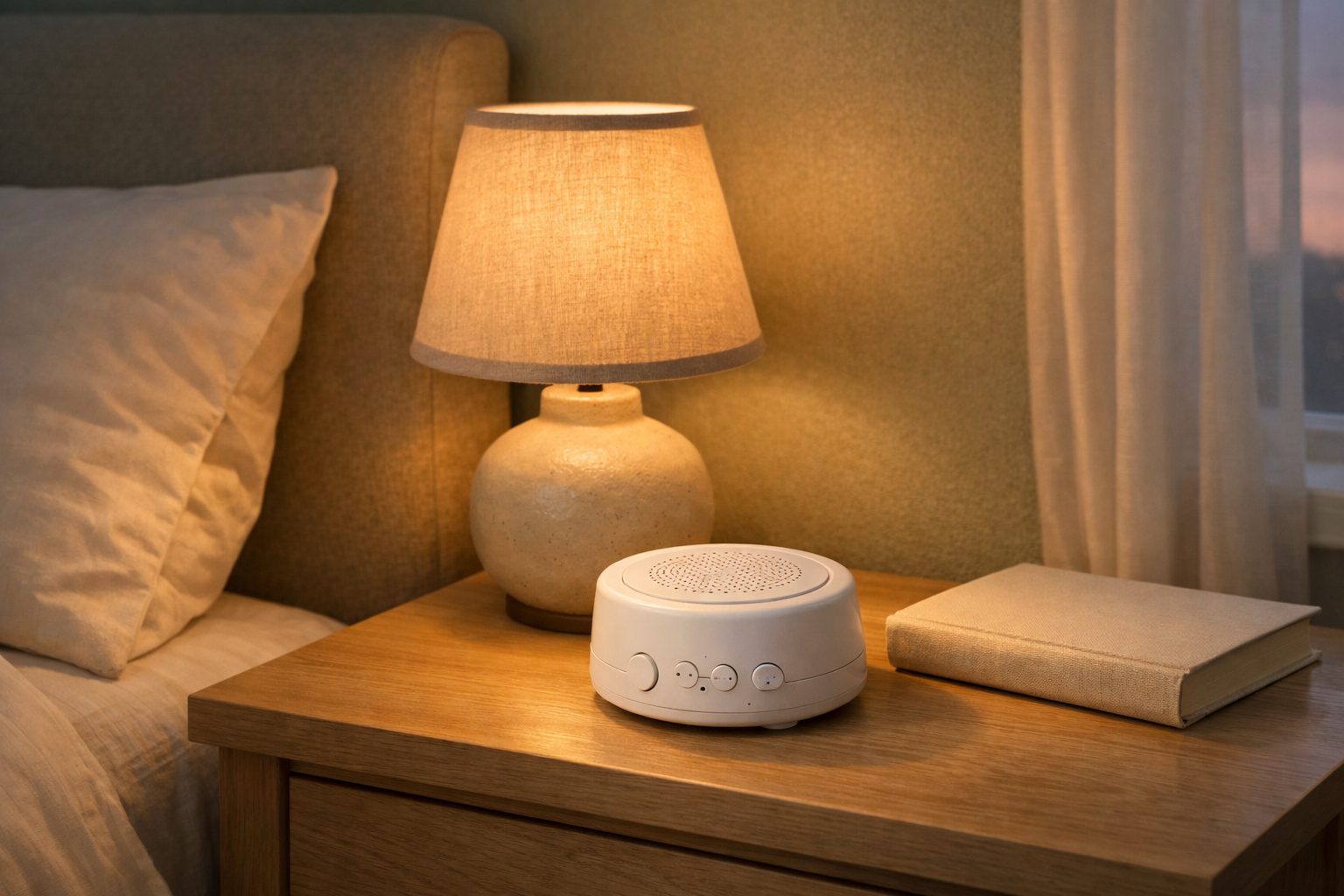
Tinnitus, that persistent ringing or buzzing in the ears, can be especially bothersome when the world around you is quiet. For many, the struggle is most noticeable at bedtime or in a silent room. This is where noise machines for tinnitus come in, they do not cure tinnitus, but they can make the ringing much less noticeable and help you fall asleep more easily. Whether you are new to tinnitus or have been managing it for years, understanding how noise machines work and how to use them effectively can make a big difference in your quality of life.
- Key takeaways:
- Noise machines help by providing gentle background sound, reducing the contrast between tinnitus and silence.
- There is no single best sound, white, pink, brown noise, and nature sounds can all help, depending on personal preference.
- Set the volume just below your tinnitus level for best results, and avoid loud volumes.
- Combine sound therapy with other steps like hearing checks and stress management for the best outcome.
- Supplements are sometimes used, but evidence is limited, always consult your doctor before trying new products.
- If tinnitus changes suddenly or is accompanied by hearing loss, see a doctor promptly.
How sound machines help
When the room is silent, your brain has nothing to focus on except the ringing or buzzing of tinnitus. This can make the perception of tinnitus much more intense and distracting, especially during quiet moments or when trying to fall asleep. Noise machines provide gentle, consistent background sound, giving your brain something else to tune into. This reduces the contrast between the tinnitus and your environment, making the ringing seem less prominent.
This approach is known as sound therapy. It is a well-established part of tinnitus management and is recommended by audiologists and hearing specialists. Sound therapy does not make tinnitus go away, but it can help you notice it less and feel less bothered by it. Over time, some people find that regular use of sound machines helps their brain become less sensitive to the ringing, a process known as habituation.
Why silence makes tinnitus worse
Our brains are wired to notice sounds, especially when everything else is quiet. In a silent room, the absence of other noises means the internal sounds of tinnitus stand out sharply. This can make them feel louder and more intrusive. By adding gentle background noise, you give your brain something else to process, which can make the tinnitus fade into the background.
What is sound masking?
Sound masking is the practice of using external noise to partially cover or blend with the internal sounds of tinnitus. The goal is not to drown out the tinnitus completely, but to make it less noticeable. This is why experts recommend setting the noise machine volume just below the level of your tinnitus. This “partial masking” encourages your brain to adapt and become less focused on the ringing over time.
Which sounds work best?
There is no universal “best” sound for tinnitus, what works for one person may not work for another. However, some common types of sounds are widely used and recommended:
- White noise: A steady “shhh” sound that spans all frequencies. It is especially good for blending with high-pitched ringing or hissing tinnitus. Some people find white noise a bit harsh for long listening, especially at night.
- Pink noise: Similar to white noise but with more emphasis on lower frequencies, making it sound deeper and softer. Many people find pink noise more pleasant and less sharp than white noise, making it a popular choice for sleep.
- Brown noise: Even deeper than pink noise, brown noise emphasizes the lowest frequencies. It resembles the sound of distant thunder or a strong waterfall and is often described as very soothing.
- Nature sounds: Gentle rain, ocean waves, streams, or rustling leaves can be calming and easy to ignore. Nature sounds add a pleasant variety and may help you relax, especially at bedtime.
- Fan sounds: The steady hum of a fan is familiar and simple, making it a good option for many people. Some noise machines even include “fan” or “air conditioner” sound options for this reason.
Experiment with different sounds for at least a week each to see what feels most calming and least distracting. The right sound is the one that helps you relax and sleep, not the one that completely erases your tinnitus.
Tips for choosing a sound
- Pick a sound you find soothing, not irritating.
- If you have trouble sleeping, try deeper sounds like pink or brown noise.
- Nature sounds can be especially relaxing if you associate them with positive experiences.
- If you are easily distracted by changes in sound, choose a steady, continuous noise rather than one with lots of variation.

How to use a noise machine
Using a noise machine for tinnitus is simple, but a few key steps can make it more effective:
- Set the volume just below your tinnitus: You should still be able to faintly hear your tinnitus over the sound machine. This helps your brain gradually get used to the ringing rather than trying to block it out completely.
- Place the machine a few feet away: Rather than putting it right next to your head, place it across the room or on a nightstand. This creates a more natural background sound and reduces the risk of overexposure to noise.
- Use it during quiet times: Most people use noise machines at bedtime, but they can also help during the day when you are reading, working, or relaxing in a quiet space.
- Avoid loud volumes: Using a noise machine at high volume can add to your overall noise exposure and may even worsen tinnitus or hearing loss over time. Keep the sound at a comfortable, gentle level.
Common mistakes to avoid
- Setting the volume too high, which can cause ear fatigue or mask important sounds like alarms.
- Using sounds that are too stimulating or distracting, such as music with lyrics or sudden changes.
- Relying solely on sound machines without addressing other factors, such as stress or hearing loss.
The Quiet Nights Tinnitus Toolkit
Calmer ears, better nights. Inside you get:
- 7 sound tricks that make ringing less noticeable
- A printable symptom and trigger diary
- The questions to ask your doctor or audiologist
100% free. No spam, unsubscribe anytime. Privacy policy.
What to look for in a noise machine
There are many types of noise machines on the market, but not all are created equal. Here are some features to consider when choosing one for tinnitus:
- Variety of sounds: Look for a machine that offers several options, including pink or brown noise, as well as nature sounds. This allows you to experiment and find what works best for you.
- Fine volume control: You should be able to adjust the volume in small increments and set it low enough for comfortable, gentle background sound.
- Timer or continuous play: Some people prefer a timer that shuts off after a set period, while others need continuous play all night. Choose a machine that fits your routine.
- No audible looping gaps: Some machines use short sound clips that repeat, causing a noticeable “gap” or click. This can be distracting, especially for light sleepers. Look for models that offer seamless looping or long sound tracks.
Free phone apps and a basic fan can also work well, especially if you are just starting out. Some hearing aids include built-in sound generators, which can be helpful if you also have hearing loss. If you are considering hearing aids, ask your audiologist about this feature.
Noise machine checklist
- Offers multiple sound options (white, pink, brown noise, nature sounds)
- Adjustable volume, including very low settings
- Option for continuous play or timer
- No noticeable looping or gaps in sound
- Portable and easy to use
- Fits your budget and lifestyle
Other steps that help
While sound machines can make tinnitus less intrusive, they work best when combined with other strategies:
- Get a hearing check: Many people with tinnitus also have some degree of hearing loss. Treating hearing loss with hearing aids can sometimes reduce the perception of tinnitus.
- Manage stress: Stress and anxiety can make tinnitus feel worse. Techniques like deep breathing, meditation, and regular exercise can help you cope.
- Practice good sleep habits: Keep a regular sleep schedule, avoid caffeine late in the day, and create a relaxing bedtime routine. Sound machines can be a helpful part of this routine.
- Limit noise exposure: Protect your ears from loud sounds, which can worsen tinnitus and lead to further hearing loss.
- Stay informed: Learn more about tinnitus and what helps by reading trusted resources, such as our guides on whether tinnitus can go away and what actually helps with tinnitus.
If your tinnitus is new, suddenly changes, or is accompanied by hearing loss, dizziness, or pain, see a doctor or audiologist promptly. These can be signs of an underlying condition that needs medical attention.
Supplements
Some readers also try an ear-health supplement as an extra, such as Audifort or Quietum Plus; see our Audifort review for an honest look at the evidence.


It is important to remember that no supplement has been proven to cure, treat, or prevent tinnitus. The evidence for most ear-health supplements is limited and mixed. If you are considering trying a supplement, talk with your doctor first, especially if you take other medications or have health conditions. Always use supplements as directed and be wary of products that promise a cure.
Frequently asked questions
Can noise machines cure tinnitus?
No, noise machines do not cure tinnitus. They are a tool for managing symptoms by making the ringing less noticeable, especially in quiet environments. The goal is to help you relax and sleep better, not to eliminate tinnitus entirely.
Is it safe to use a noise machine all night?
Yes, it is generally safe to use a noise machine throughout the night as long as the volume is kept at a gentle, comfortable level. Avoid setting the volume too high, as prolonged exposure to loud noise can contribute to hearing problems over time.
What if I do not have a noise machine?
You can use a free phone app, a fan, or even a radio set to static as a substitute. Many people find these alternatives just as effective. The key is to provide a gentle, consistent background sound that helps mask the tinnitus.
How do I know which sound is best for me?
There is no single best sound for everyone. Try different options, white noise, pink noise, brown noise, or nature sounds, for at least a week each. Choose the sound that helps you feel calm and relaxed without being distracting.
Should I see a doctor for tinnitus?
Yes, especially if your tinnitus is new, sudden, or accompanied by other symptoms like hearing loss, dizziness, or pain. A doctor or audiologist can check for underlying causes and recommend appropriate treatment options.
Can children or teens use noise machines for tinnitus?
Yes, but use with caution. Keep the volume low and supervise use, especially for younger children. If a child develops tinnitus, it is important to consult a pediatrician or audiologist to rule out underlying conditions.
The bottom line
A noise machine is one of the simplest ways to make tinnitus less intrusive, especially at night. Keep the volume just below your tinnitus and pick a sound you find relaxing.
Want this as a handy printable?
The Quiet Nights Tinnitus Toolkit
Calmer ears, better nights. Inside you get:
- 7 sound tricks that make ringing less noticeable
- A printable symptom and trigger diary
- The questions to ask your doctor or audiologist
100% free. No spam, unsubscribe anytime. Privacy policy.
Disclosure: links marked as sponsored are affiliate links. If you buy through them we may earn a commission at no extra cost to you. This article is for information only and is not medical advice.
Sources and further reading
This guide is for general information only and is not a substitute for professional advice. See our editorial policy.
Products mentioned in this guide
Affiliate links. Results vary. This is not medical advice.