
Quick answer
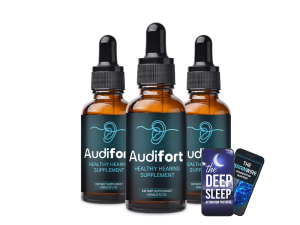
Audifort’s main ingredients are maca root, grape seed extract, green tea, capsicum annuum (pepper), and gymnema sylvestre, along with unspecified plant extracts, vitamins, and minerals. There’s no strong research showing this mix can reduce tinnitus or restore hearing, though some ingredients have general health studies behind them. The exact ingredient amounts aren’t listed publicly. Audifort may interest adults who’ve already had a hearing check and want to try a supplement with a 90-day return window.
What we like
- 90-day refund policy
- Liquid drop format
- Plant-based ingredients
Watch out for
- No strong evidence for tinnitus
- Possible drug interactions
- Doses not shown on sales page
Check Audifort price on the official site →
If you’re here, you probably want to know what’s really in Audifort drops and whether the ingredients might help your ears. This guide unpacks every named ingredient, what research says about them for ear health, and what to think about before buying. If you’re considering Audifort, this breakdown is for you.
Audifort’s Ingredient List: What’s Inside?
The official Audifort site describes the supplement as a liquid blend of more than 20 plant extracts, vitamins, and minerals. The main ingredients named are:
- Maca root
- Grape seed extract
- Green tea
- Capsicum annuum (pepper)
- Gymnema sylvestre
The sales page also mentions “other plant extracts, vitamins and minerals,” but the full ingredient list and exact amounts aren’t shared publicly. Without the full supplement facts panel, it’s not clear whether other common hearing supplement ingredients (like zinc or B vitamins) are included, or at what dose.
Audifort comes as liquid drops, which some people prefer to pills, especially if swallowing is tough.
Here’s a summary of the main ingredients and what they’re usually studied for:
| Ingredient | What It Is | Mainstream Research For |
|---|---|---|
| Maca root | Root vegetable from Peru | General vitality, not ear health |
| Grape seed extract | Plant extract high in antioxidants | Circulation, antioxidants |
| Green tea | Tea leaf extract | Antioxidants, metabolism |
| Capsicum annuum | Pepper extract | Circulation, metabolism |
| Gymnema sylvestre | Shrub extract | Blood sugar control |

Ingredient Breakdown: What Does the Research Say?
Let’s go through each named ingredient, what it is, what research says about it for ear health, and safety notes. Since the sales page doesn’t list doses, it’s hard to compare with research or know if the amounts are meaningful.
Maca Root
Maca is a root vegetable traditionally used for energy and hormone balance. There’s no strong research connecting maca to tinnitus, hearing loss, or ear health. It’s generally safe for healthy adults, but its effects on ears haven’t been studied.
Grape Seed Extract
Grape seed extract is rich in antioxidants called proanthocyanidins. Most research looks at its effects on circulation and general antioxidant support. While antioxidants are sometimes mentioned in ear health discussions, there aren’t solid clinical trials showing grape seed extract helps tinnitus or hearing. It’s usually considered safe, but it can interact with blood thinners like warfarin and increase bleeding risk.
Green Tea Extract
Green tea is high in antioxidants such as catechins. It’s studied for general health, but research for tinnitus or hearing improvement is limited and indirect. Most people tolerate green tea well, but large doses can cause stomach upset or interact with blood pressure medications.
Capsicum Annuum (Pepper Extract)
Capsicum annuum includes bell peppers and chili peppers. Supplements use it for claims about circulation and metabolism. There’s no direct evidence it helps hearing or tinnitus. High doses can cause stomach irritation or interact with some blood pressure drugs.
Gymnema Sylvestre
Gymnema is a plant used in traditional medicine for blood sugar support. There’s no established link to ear health or tinnitus. It can lower blood sugar, so people with diabetes or those on blood sugar medications should check with a doctor before using it.
What About the Other Ingredients?
The Audifort sales page mentions “other plant extracts, vitamins and minerals” but doesn’t specify which ones or their doses. Many similar supplements include zinc, magnesium, B vitamins, or ginkgo biloba. Here’s what mainstream research says about these common ingredients:
- Zinc: May help people who are deficient, but not most adults with normal zinc levels.
- B vitamins: No strong link to tinnitus improvement unless you’re deficient.
- Ginkgo biloba: Large reviews haven’t found clear benefit for tinnitus.
Without the full label, you can’t know if these or other ingredients are in Audifort, or how much you’re getting. This matters if you already take a multivitamin or other supplements, since doubling up can cause issues.
If you have allergies or need to check for medication conflicts, you’ll need to see the full label from the official site or contact the seller directly.

The Quiet Nights Tinnitus Toolkit
Calmer ears, better nights. Inside you get:
- 7 sound tricks that make ringing less noticeable
- A printable symptom and trigger diary
- The questions to ask your doctor or audiologist
100% free. No spam, unsubscribe anytime. Privacy policy.
Does Audifort’s Formula Match Mainstream Advice?
No. Major health organizations like the American Tinnitus Association, NIH, and Mayo Clinic don’t recommend any specific supplement for tinnitus or hearing loss, unless you have a confirmed deficiency (for example, low B12 or zinc). The best-supported steps are hearing aids for hearing loss, sound therapy, and cognitive behavioral therapy to help with distress and sleep. See our guide to what actually helps with tinnitus for more practical steps.
Supplements like Audifort aren’t first-line options for tinnitus or hearing trouble. They may appeal to people who want to try every possible option, but shouldn’t replace a hearing check or regular care.
Who Might Audifort Suit, and Who Should Skip It?
If you’ve had a hearing test, ruled out earwax or infection, and still have bothersome ringing, you might be curious about supplements like Audifort. It may also be a fit if you prefer liquid drops, want a plant-based list, or like the option of a 90-day refund if it doesn’t help.
But some people should be cautious or skip it entirely:
- If you have diabetes or use medication to lower blood sugar, gymnema can cause low blood sugar.
- If you’re on blood thinners, grape seed extract can increase bleeding risk.
- If you have sudden hearing loss, one-sided tinnitus, dizziness, or ringing that pulses with your heartbeat, see a doctor first.
- If you’re pregnant or breastfeeding, avoid supplements unless your doctor agrees.
If you already take prescription medicine for blood pressure or diabetes, adding Audifort without knowing the full ingredient list or doses could create risks or unexpected interactions. A pharmacist can help you review the label if you’re unsure.
Side Effects and Safety: What to Watch For
Plant-based supplements are usually well-tolerated, but side effects and drug interactions are possible. Here’s what to watch for with the named ingredients:
- Stomach upset, headaches, or diarrhea can happen, especially if you have a sensitive stomach.
- Increased bleeding risk if you take blood thinners, due to grape seed extract.
- Low blood sugar if you use diabetes medications and add gymnema.
- Allergic reactions are possible, especially with a multi-ingredient formula.
If you notice bruising, fatigue, changes in how your usual medicines work, or new symptoms, stop the supplement and talk to your doctor. Any sudden change in tinnitus, especially with hearing loss or dizziness, should be checked by a doctor right away.
How Much Does Audifort Cost, and Is There a Guarantee?
Audifort is sold online through its official website. Prices can change, and current bundles range from single bottles to multi-packs. For the latest prices, check the official site.
The sales page says you get a 90-day money-back guarantee via ClickBank. This is longer than many supplements and gives you a trial period. Keep your order confirmation and watch the deadline, refunds are only available if you claim them in time.
| Purchase Option | Where Sold | Refund Policy |
|---|---|---|
| Single bottle or multi-pack | Official website (not in stores) | 90 days, per ClickBank |
Check Audifort price on the official site →
How Audifort Compares to Proven Options
Supplements like Audifort aren’t a replacement for options with stronger evidence. Hearing aids, sound machines, and therapy have more research behind them. If you’re looking for practical, proven steps, see our full Audifort review, our guide to what actually helps, and our picks for sound machines for tinnitus.
Frequently asked questions
What are the main ingredients in Audifort?
The main ingredients listed are maca root, grape seed extract, green tea, capsicum annuum (pepper), and gymnema sylvestre. The full ingredient list and amounts aren’t disclosed on the public sales page. For the latest label, check the official site.
Is there proof Audifort works for tinnitus?
No. There are no strong clinical trials showing Audifort or its ingredients reduce tinnitus or restore hearing. Most research is general and not specific to ear health or tinnitus relief.
Is it safe to take Audifort with my medication?
Some ingredients can interact with common medicines, including blood thinners, blood pressure drugs, and diabetes medications. Always check the label with your pharmacist before starting, especially if you take regular prescriptions.
Are the ingredient doses listed anywhere?
Doses for each ingredient are not shown on the sales page. For exact amounts or to check for allergens, you’ll need to view the label on the official site or contact the seller directly.
What should I do before trying a supplement for tinnitus?
Get a hearing test to rule out medical causes, check your current medicines for side effects, and talk to your doctor about sudden or severe symptoms. Supplements can be an extra step, but only after these basics are covered.
Can I buy Audifort in stores?
No, it’s sold online through the official website. Buying through the official site ensures you qualify for the refund policy and customer support if needed.
The bottom line
Audifort contains several familiar plant extracts and nutrients, but there’s no strong evidence its blend helps tinnitus or hearing. Its standout feature is the long refund window, so curious buyers can try it with less risk. If you decide to try Audifort, use it alongside, not instead of, proven steps like a hearing check and sound therapy, and ask your pharmacist if you take regular medicines.
Want this as a handy printable?
The Quiet Nights Tinnitus Toolkit
Calmer ears, better nights. Inside you get:
- 7 sound tricks that make ringing less noticeable
- A printable symptom and trigger diary
- The questions to ask your doctor or audiologist
100% free. No spam, unsubscribe anytime. Privacy policy.
Disclosure: this article contains affiliate links. If you buy through them we may earn a commission at no extra cost to you. We have not been paid by the manufacturer, and we describe the product from its official materials and the published research, not personal testing. These statements have not been evaluated by the Food and Drug Administration. This product is not intended to diagnose, treat, cure or prevent any disease. This is not medical advice.
Sources and further reading
This guide is for general information only and is not a substitute for professional advice. See our editorial policy.
Products mentioned in this guide
Affiliate links. Results vary. This is not medical advice.