
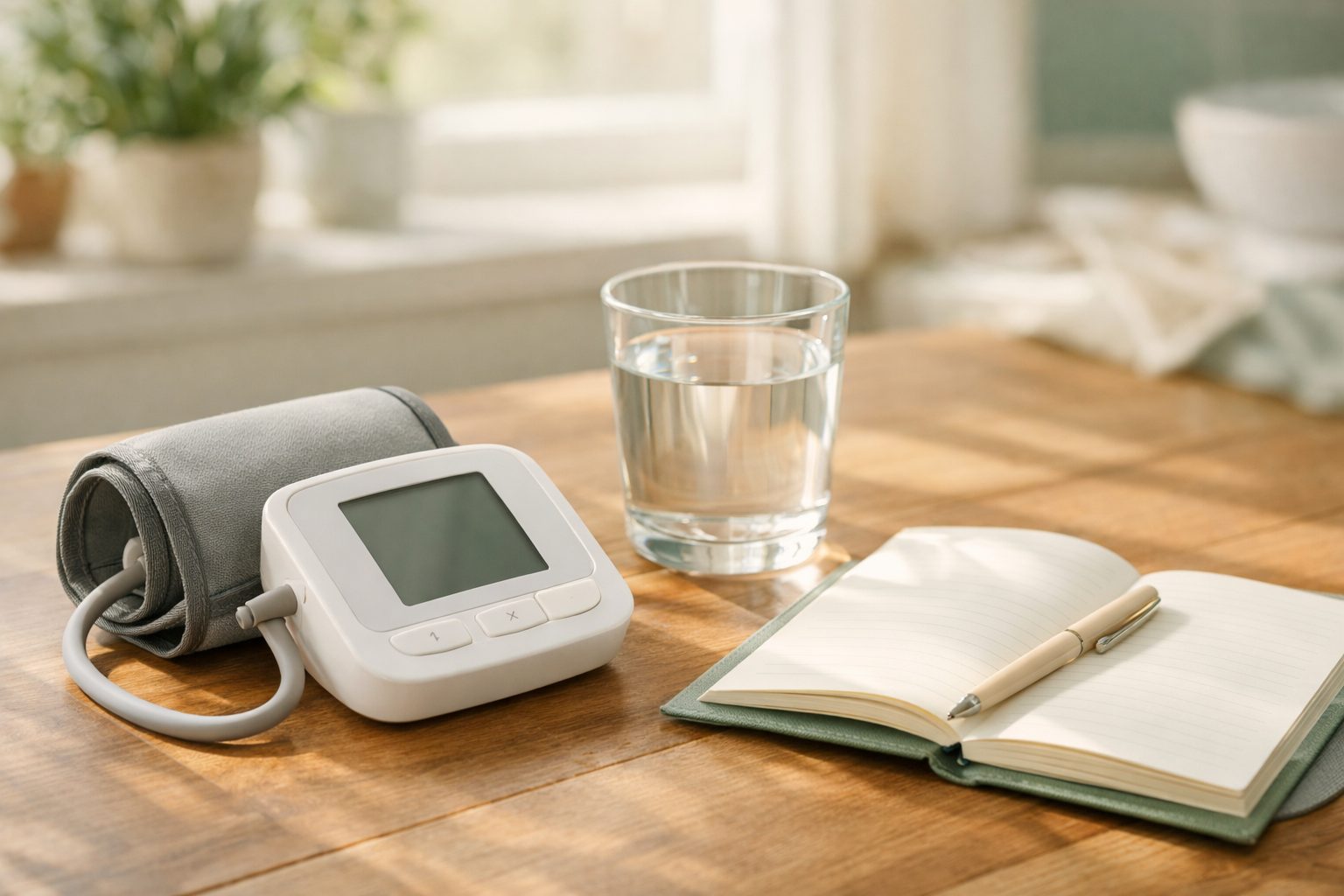
Many people first notice a link between high blood pressure and tinnitus when they hear a whooshing or thumping sound in time with their heartbeat. So is hypertension to blame for ringing ears? Sometimes, yes. Here is what the research and doctors say.
- Key takeaways:
- High blood pressure can contribute to some forms of tinnitus, especially pulsatile tinnitus.
- Pulsatile tinnitus, a rhythmic sound in sync with your heartbeat, should always be checked by a doctor.
- Managing blood pressure is important for overall health and may help with certain tinnitus symptoms.
- Some blood pressure medications can cause or worsen tinnitus in rare cases.
- Lifestyle steps like reducing salt, staying active and managing stress are helpful for both conditions.
- Supplements for tinnitus have limited evidence and may interact with blood pressure medications.
How blood pressure can affect your ears
Your inner ear depends on a steady supply of blood through tiny vessels. When you have high blood pressure (also called hypertension), the force of blood against your artery walls is consistently too high. Over time, this can damage the delicate blood vessels that supply your inner ear, making them less efficient at delivering oxygen and nutrients. Damaged or narrowed vessels can also cause blood to flow less smoothly, increasing turbulence that may be heard as noise in your ears.
Large population studies have found that people with hypertension are more likely to report tinnitus, although high blood pressure is not the most common cause. Age-related hearing loss and noise exposure still top the list. However, high blood pressure can make tinnitus worse or more noticeable, especially if your blood pressure spikes suddenly or remains uncontrolled over time.
When blood pressure is high, the increased force can sometimes be transmitted to the small arteries and veins near the ear. This can create a situation where you actually hear your own blood flow, especially in quiet environments or when lying down. This is more likely if you already have some hearing loss, as your brain may “turn up the volume” on internal sounds.
Pulsatile tinnitus: the type to take seriously
Most tinnitus is a steady ring, hiss or buzz. Pulsatile tinnitus is different: a rhythmic whoosh or thump that matches your pulse. It is often linked to blood flow, and causes include high blood pressure, narrowed or twisted blood vessels near the ear, anemia, an overactive thyroid and, rarely, vascular problems that need treatment.
Pulsatile tinnitus stands out because it is not just a random ringing, it follows the rhythm of your heartbeat. This type is less common but more likely to have an identifiable physical cause related to blood vessels or circulation. Sometimes it is due to a benign reason, such as increased awareness of normal blood flow, but it can also signal more serious problems.
See your doctor promptly if your tinnitus beats in time with your heart. They may check your blood pressure, listen near your ear and neck, and arrange scans if needed. Get urgent help if pulsatile tinnitus comes with a sudden severe headache, vision changes or weakness.
- Red flag symptoms: sudden severe headache, vision changes, weakness, loss of coordination, or trouble speaking. These may indicate a vascular emergency and require immediate medical attention.
When you see your doctor, they may use a stethoscope to listen for abnormal sounds near your ear or neck (called a bruit), which can help identify narrowed or abnormal blood vessels. Imaging tests such as MRI, CT scan, or ultrasound may be ordered if your doctor suspects a more serious underlying issue.

Blood pressure medicines and tinnitus
A few medicines used for heart and blood pressure conditions, including some diuretics (water tablets) at high doses, are known to affect hearing or cause tinnitus in some people. If ringing started soon after a new prescription, tell your doctor. Do not stop or change blood pressure medication on your own; there are usually alternatives.
Common blood pressure medications such as ACE inhibitors, beta blockers and calcium channel blockers are generally not associated with tinnitus, but side effects can vary between individuals. Some older medications and high doses of loop diuretics (such as furosemide) have been linked to hearing changes, especially in people with kidney problems or those taking other medications that affect hearing.
- What to do: If you notice ringing in your ears after starting a new medication, write down when it started and let your doctor know. Never stop a prescribed medication without medical advice, as uncontrolled blood pressure poses a greater risk to your health.
- Ask about alternatives: If a medication is suspected, your doctor may suggest a different drug or adjust the dose to see if symptoms improve.
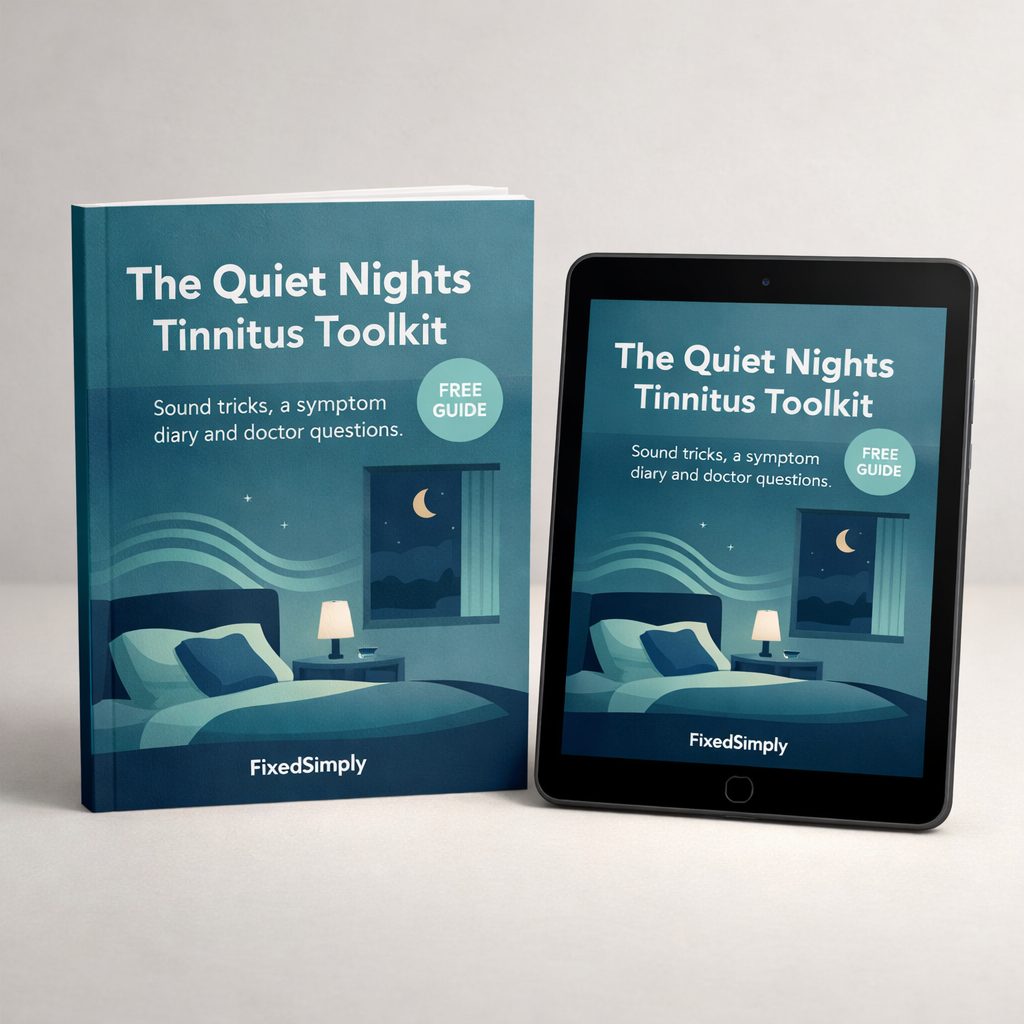
The Quiet Nights Tinnitus Toolkit
Calmer ears, better nights. Inside you get:
- 7 sound tricks that make ringing less noticeable
- A printable symptom and trigger diary
- The questions to ask your doctor or audiologist
100% free. No spam, unsubscribe anytime. Privacy policy.
Will lowering blood pressure help?
For some people, especially those with pulsatile tinnitus, bringing blood pressure under control makes the sound quieter. For steady tinnitus linked to hearing loss, the effect is less predictable. Either way, controlling blood pressure protects your heart, brain, kidneys and eyes, so it is worth doing for its own sake.
If your tinnitus is directly related to high blood pressure, you may notice improvement as your numbers come down. This is especially true for pulsatile tinnitus, where reducing the pressure in your blood vessels may reduce the turbulence causing the sound. For chronic, steady tinnitus (the more common type), lowering blood pressure may not make a big difference, but it still supports your long-term health.
Remember, blood pressure can fluctuate throughout the day. Keeping a log of your readings and symptoms can help you and your doctor spot patterns and triggers.
Practical steps that help both
- Cut back on salt. Lower sodium helps blood pressure and may reduce tinnitus in some people, particularly those with Meniere’s disease.
- Limit caffeine and alcohol if you notice they make the ringing louder.
- Move every day. Regular walking lowers blood pressure and reduces stress, which makes tinnitus less intrusive.
- Manage stress. Breathing exercises, yoga and good sleep help both conditions.
- Monitor at home. A home blood pressure cuff helps you and your doctor see patterns.
- Use background sound such as a fan or soft music, especially at night.
These steps are safe for most people and support both blood pressure and ear health. For best results, make changes gradually and track which ones help you most.
Checklist: Managing blood pressure and tinnitus
- Check your blood pressure regularly, ideally at the same time each day.
- Eat a balanced diet with less salt and processed foods.
- Stay physically active, aim for at least 30 minutes of walking or similar activity most days.
- Limit alcohol and caffeine if they trigger symptoms.
- Practice stress management techniques like deep breathing or meditation.
- Use gentle background noise to mask tinnitus, especially at bedtime.
- Review your medications with your doctor or pharmacist, especially if symptoms change.
- Keep a symptom diary to track what makes your tinnitus better or worse.
What about ear supplements?
Evidence for tinnitus supplements is limited, and some herbal ingredients can interact with blood pressure or blood-thinning medicines. If you want to try one, check it with your pharmacist first. Options readers ask about include Audifort and Quietum Plus.

Some supplements contain ingredients like ginkgo biloba, zinc or magnesium, which have been studied for tinnitus but show mixed results. Others may include herbs that affect blood pressure or interact with medications. Always read labels carefully and consult your pharmacist or doctor before starting any new supplement, especially if you take prescription medicines or have chronic health conditions.
Read our full guide to what actually helps with tinnitus for more steps.
Common mistakes to avoid
- Ignoring pulsatile tinnitus. Never dismiss a rhythmic sound in your ear that matches your heartbeat. Always get this checked by a doctor.
- Stopping blood pressure medication suddenly. This can cause dangerous spikes in blood pressure. Always consult your doctor before making changes.
- Overusing ear drops or cleaning your ears aggressively. This can irritate the ear canal and worsen symptoms.
- Assuming all tinnitus is caused by blood pressure. Most tinnitus is due to hearing loss, noise exposure or other factors.
- Trying unproven “cures” without checking interactions. Supplements and herbal remedies can have side effects or interact with your medications.
Frequently asked questions
Can high blood pressure cause permanent tinnitus?
High blood pressure can contribute to tinnitus, but it is not usually the sole cause of permanent ringing in the ears. Most chronic tinnitus is due to hearing loss or noise exposure. However, uncontrolled hypertension can worsen tinnitus over time and may cause lasting changes, especially if it damages blood vessels in the inner ear.
Is tinnitus a warning sign of high blood pressure?
Tinnitus is not a reliable warning sign of high blood pressure. Most people with hypertension do not have tinnitus, and most tinnitus is not caused by high blood pressure. However, if you notice a new pulsing sound in time with your heartbeat, especially if you have risk factors for hypertension, it is worth checking your blood pressure and seeing your doctor.
Can lowering my blood pressure make tinnitus go away?
Lowering blood pressure can help reduce pulsatile tinnitus in some people, but it may not resolve steady or chronic tinnitus caused by hearing loss or other factors. Managing blood pressure is important for overall health and may make tinnitus less noticeable, but it is not a guaranteed cure.
Which blood pressure medications can cause tinnitus?
Some diuretics (water tablets), especially at high doses, have been linked to tinnitus and hearing changes. Other blood pressure medicines rarely cause tinnitus, but side effects can vary. If you notice ringing in your ears after starting a new medication, talk to your doctor. Do not stop any medicine without medical advice.
When should I see a doctor about tinnitus?
See your doctor promptly if you have pulsatile tinnitus (a sound that beats in time with your pulse), sudden hearing loss, tinnitus in only one ear, or tinnitus with other symptoms like dizziness, severe headache, or vision changes. These symptoms may indicate a more serious underlying problem that needs urgent attention.
Are there proven supplements for tinnitus?
No supplement has been proven to cure or prevent tinnitus. Some people try supplements such as Audifort or Quietum Plus, but evidence is limited. Always check with your pharmacist or doctor before trying any supplement, especially if you have high blood pressure or take prescription medicines.
The bottom line
High blood pressure can contribute to tinnitus, especially the pulsing kind. Get pulsatile tinnitus checked, review your medicines with your doctor, and work on blood pressure through salt, activity, sleep and stress. Your ears and your heart both benefit.
Want this as a handy printable?
The Quiet Nights Tinnitus Toolkit
Calmer ears, better nights. Inside you get:
- 7 sound tricks that make ringing less noticeable
- A printable symptom and trigger diary
- The questions to ask your doctor or audiologist
100% free. No spam, unsubscribe anytime. Privacy policy.
Disclosure: links marked as sponsored are affiliate links. If you buy through them we may earn a commission at no extra cost to you. This article is for information only and is not medical advice.
Sources and further reading
This guide is for general information only and is not a substitute for professional advice. See our editorial policy.
Products mentioned in this guide
Affiliate links. Results vary. This is not medical advice.