Gritty, burning, tired eyes that feel worse by the end of the day? Dry eye is one of the most common reasons people see an eye doctor, and it becomes more common with age, screens and dry indoor air. Here are the signs of dry eyes, the usual causes and the relief that works.
- Key takeaways:
- Dry eye symptoms include gritty, burning, red, or watery eyes, and can worsen with age or screen use.
- Common causes are aging, hormonal changes, screen time, dry environments, certain medications, and health conditions.
- Simple steps like artificial tears, warm compresses, and the 20-20-20 rule offer relief for most people.
- Persistent or severe symptoms should be checked by an eye doctor.
- Supplements may help some, but should not replace professional care or routine eye exams.
Signs of dry eyes
- A gritty or sandy feeling, as if something is in your eye
- Burning, stinging or itching
- Redness
- Blurred vision that clears when you blink
- Tired eyes, especially after reading or screen use
- Sensitivity to light or wind
- Watery eyes, which surprises many people; the eye overproduces poor-quality tears when it is irritated
- Discomfort with contact lenses
Understanding the symptoms
Dry eyes can feel like there is always something in your eye, even when nothing is there. The discomfort may increase throughout the day, especially if you spend long periods reading, driving, or using digital devices. Watery eyes may seem like the opposite of dryness, but they are a common reaction as the eyes try to compensate for irritation. Blurred vision that improves with blinking is another telltale sign, since blinking helps spread tears evenly across the eye.
What causes dry eyes
- Age. Tear production falls over time, especially after 50.
- Hormone changes, particularly menopause.
- Screens. We blink far less while staring at a phone or computer.
- Blocked oil glands in the eyelids (meibomian gland dysfunction), which make tears evaporate too fast.
- Dry, windy or air-conditioned environments.
- Medicines such as antihistamines, decongestants, some antidepressants and blood pressure tablets.
- Health conditions including rheumatoid arthritis, Sjogren’s syndrome, thyroid disease and diabetes.
- Contact lenses and past laser eye surgery.
How tears work
Your eyes are protected by a thin layer of tears, called the tear film. This film has three parts: an oily layer (to prevent evaporation), a watery layer (to hydrate), and a mucus layer (to help tears stick to the eye). If any part of this system breaks down, your eyes can become dry and irritated. For example, if the oil glands along your eyelids are blocked, tears evaporate too quickly. If you do not produce enough tears, the eyes cannot stay moist and comfortable.
Common risk factors explained
- Aging: Natural tear production drops with age, especially after age 50, making dry eye more common in older adults.
- Hormonal changes: Women, especially after menopause, are at higher risk due to hormonal shifts affecting tear production.
- Screen use: Focusing on screens causes us to blink less often and less fully, reducing tear spread and increasing evaporation.
- Environment: Dry climates, air conditioning, forced heating, and wind can all dry out the eyes.
- Medications: Many common medicines reduce tear production as a side effect, including some allergy and blood pressure drugs.
- Medical conditions: Autoimmune diseases like rheumatoid arthritis or Sjogren’s syndrome can directly affect tear glands.
- Contact lenses and surgery: Contacts can disrupt the tear film, and some eye surgeries temporarily affect tear production.
Checklist: Are you at risk?
- Over age 50
- Female, especially post-menopausal
- Spend hours daily on screens
- Live or work in air-conditioned or heated spaces
- Take medications for allergies, depression, or blood pressure
- Have autoimmune or thyroid conditions
- Wear contact lenses
- History of laser eye surgery
If you checked several of these, you have a higher chance of developing dry eyes.

Simple relief that works
- Artificial tears. Lubricating drops give fast relief. If you use them more than four times a day, choose preservative-free versions.
- Warm compresses. A warm, damp cloth or heated eye mask over closed eyes for 5 to 10 minutes loosens blocked oil glands. Follow with a gentle lid massage.
- The 20-20-20 rule. Every 20 minutes of screen time, look 20 feet away for 20 seconds and blink fully.
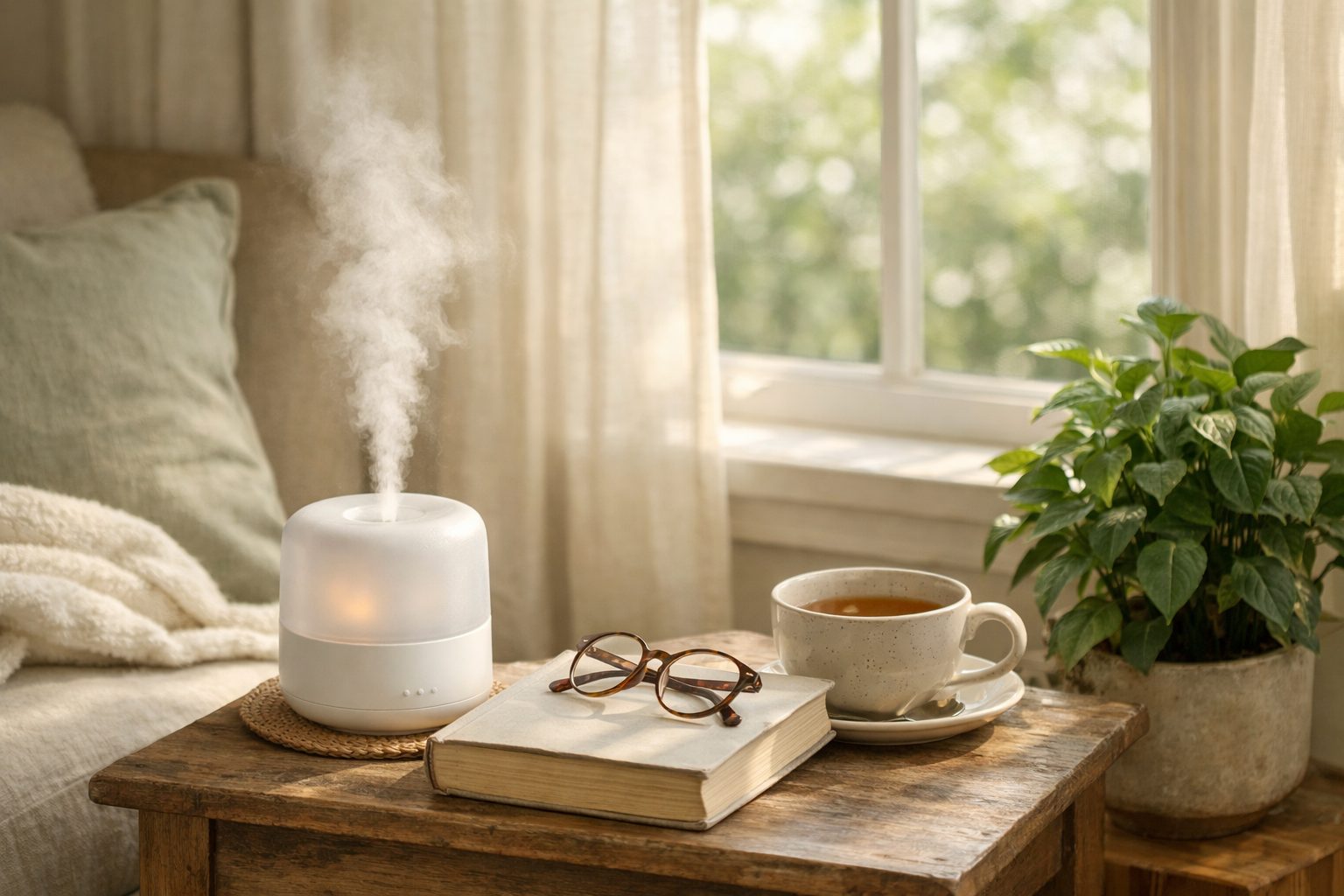
- Add humidity. A humidifier in the bedroom or office helps, and point car and desk fans away from your face.
- Drink enough water.
- Eat oily fish or other omega-3 sources; evidence is mixed, but they are good for general health.
- Wear wraparound sunglasses outdoors on windy days.
Step-by-step: Relieving dry eyes at home
-
Apply artificial tears:
- Wash your hands before use.
- Lean your head back, gently pull down your lower eyelid, and place a drop in the pocket without touching the bottle to your eye.
- Blink a few times to spread the drop.
- Use as needed, but choose preservative-free drops if using more than four times daily.
-
Use a warm compress:
- Soak a clean washcloth in warm (not hot) water, wring it out, and place it over closed eyes for 5 to 10 minutes.
- Gently massage the eyelids with your fingertips after removing the cloth to help the oil glands open up.
-
Practice the 20-20-20 rule:
- Set a timer or use an app to remind you every 20 minutes.
- Look at something 20 feet away for 20 seconds and blink slowly and completely.
-
Increase humidity:
- Place a humidifier in the rooms where you spend the most time, especially in winter or in air-conditioned spaces.
- Avoid sitting directly in front of fans or vents.
-
Stay hydrated and eat well:
- Drink water throughout the day to support tear production.
- Include sources of omega-3 fatty acids, like salmon, sardines, walnuts, or flaxseed, in your meals.
-
Protect your eyes outdoors:
- Wear wraparound sunglasses to shield your eyes from wind and sun.
Common mistakes to avoid
- Using redness-relieving drops (decongestants) instead of lubricating drops; these can make dryness worse with long-term use.
- Ignoring symptoms for weeks or months without seeking medical advice.
- Touching the dropper tip to your eye or lashes, which can contaminate the bottle.
- Using old or expired eye drops.
- Skipping regular breaks during long screen sessions.
- Neglecting to check if your medications could be contributing to dryness.
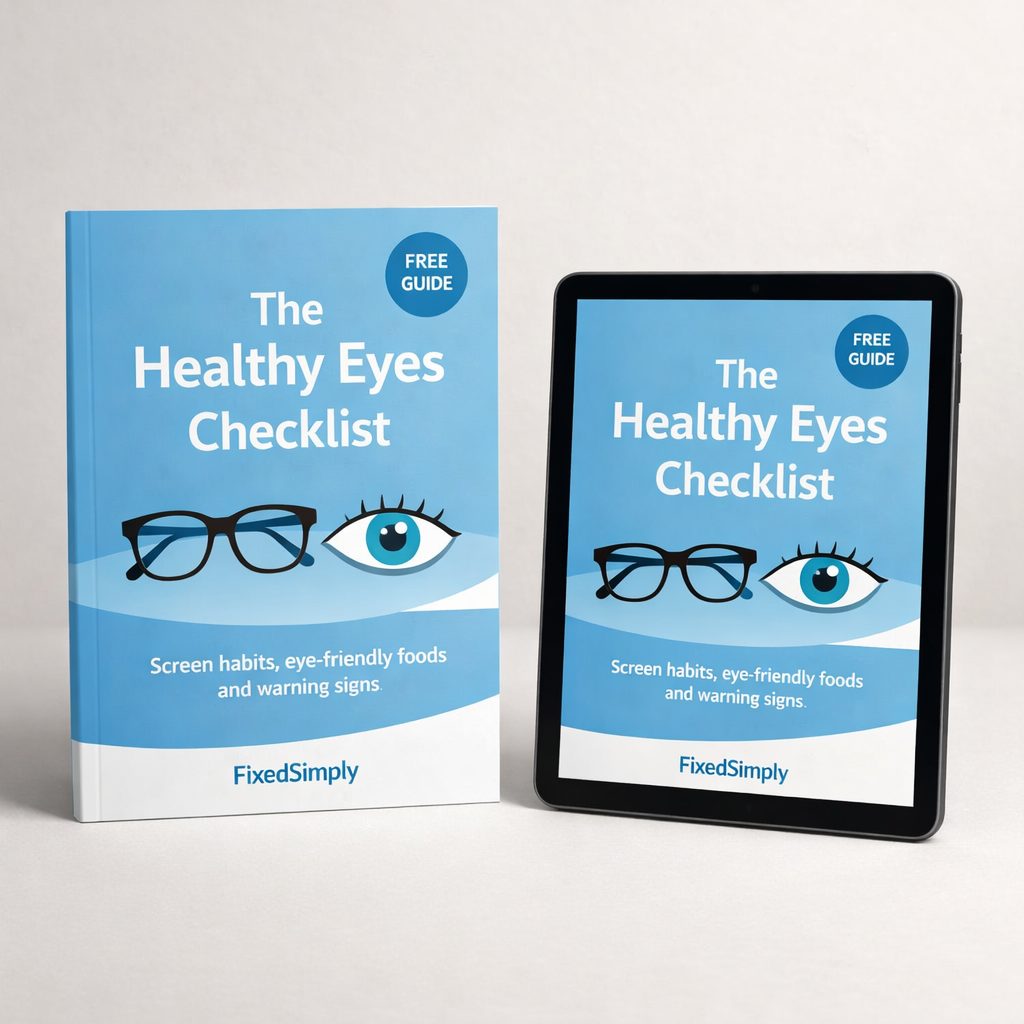
The Healthy Eyes Checklist
Protect your eyesight after 40. Inside you get:
- Screen and lighting habits that ease eye strain
- Eye-friendly foods for your shopping list
- Warning signs that need an eye exam fast
100% free. No spam, unsubscribe anytime. Privacy policy.
When to see an eye doctor
See an optometrist or ophthalmologist if symptoms last more than a few weeks or affect daily life. They can check your tear film and eyelids and offer prescription drops, plugs for the tear ducts or in-office treatments. Seek same-day care for a painful red eye with blurred vision, light sensitivity, a discharge or after an injury.
What to expect at your appointment
Your eye doctor will ask about your symptoms, general health, medications, and lifestyle. They may use special dyes, lights, or imaging to examine your tear film, measure tear production, and check for blocked glands or inflammation. Based on the findings, they might prescribe stronger drops, suggest procedures to conserve tears, or treat underlying eyelid issues.
Red-flag symptoms
- Sudden, severe eye pain
- Redness with blurred vision or light sensitivity
- Discharge or crusting
- History of eye injury
- Vision loss
If you notice any of these, call your eye doctor or seek urgent care promptly. These may indicate infections or other serious eye problems that need immediate attention.
What about eye supplements?
Research on supplements for dry eye is mixed. Some readers try an eye-health formula as an extra; options readers ask about include VisiFlora and iGenics. Check with your pharmacist if you take other medicines, and do not let a supplement replace an eye exam.
For a broader guide, read protecting your eyesight after 40.
How do supplements fit in?
Some people consider supplements with omega-3 fatty acids, vitamins, or antioxidants to support eye health. While some small studies suggest possible benefits for dry eye, larger studies show mixed results. Supplements should not replace proper eye care, and it is important to talk with your doctor or pharmacist if you are considering adding one, especially if you take other medications.
Comparison: Artificial tears vs. prescription treatments
- Artificial tears: Available over the counter, provide quick relief for mild to moderate symptoms, and are safe for most people.
- Prescription drops: May be needed for more severe or persistent cases. These often target inflammation or help increase natural tear production. They require a doctor’s evaluation and monitoring.
- Other in-office treatments: For blocked oil glands or severe dry eye, your doctor might recommend procedures to open glands or place tiny plugs in tear ducts to keep tears on the eye longer.
Frequently asked questions
Can dry eyes cause permanent vision loss?
Most cases of dry eye do not cause permanent vision loss. However, severe untreated dry eye can increase the risk of eye infections and, rarely, damage the cornea. Proper treatment and regular eye exams help prevent complications.
How often can I use artificial tears?
You can use artificial tears as often as needed. If you need them more than four times a day, choose preservative-free drops to avoid irritation from preservatives. If symptoms persist, see your eye doctor.
Are dry eyes worse in certain seasons?
Yes, dry eyes often worsen in winter due to indoor heating, and in summer in air-conditioned spaces or windy environments. Using a humidifier and wearing sunglasses outdoors can help reduce symptoms.
Can I wear contact lenses if I have dry eyes?
Some people with mild dry eye can wear contacts, but symptoms may worsen. Special contact lens types are available for dry eyes. Always discuss options with your eye doctor, and never ignore discomfort or redness.
Is it safe to try supplements for dry eyes?
Supplements like omega-3s are generally safe for most healthy adults, but they can interact with medications or health conditions. Always talk to your pharmacist or doctor before starting any supplement, and do not rely on them as your only treatment.
What lifestyle changes help with dry eyes?
Taking regular screen breaks, using a humidifier, staying hydrated, protecting your eyes from wind and sun, and eating a balanced diet all support eye comfort. Avoid smoking and limit alcohol, as both can worsen dryness.
The bottom line
Gritty, burning or tired eyes are classic signs of dry eye. Artificial tears, warm compresses, screen breaks and more humidity help most people. If it persists, an eye doctor has effective treatments.
Want this as a handy printable?
The Healthy Eyes Checklist
Protect your eyesight after 40. Inside you get:
- Screen and lighting habits that ease eye strain
- Eye-friendly foods for your shopping list
- Warning signs that need an eye exam fast
100% free. No spam, unsubscribe anytime. Privacy policy.
Disclosure: links marked as sponsored are affiliate links. If you buy through them we may earn a commission at no extra cost to you. This article is for information only and is not medical advice.
Sources and further reading
This guide is for general information only and is not a substitute for professional advice. See our editorial policy.
Products mentioned in this guide
Affiliate links. Results vary. This is not medical advice.
1 thought on “Dry Eyes: Signs, Causes and Simple Relief That Works”
Comments are closed.