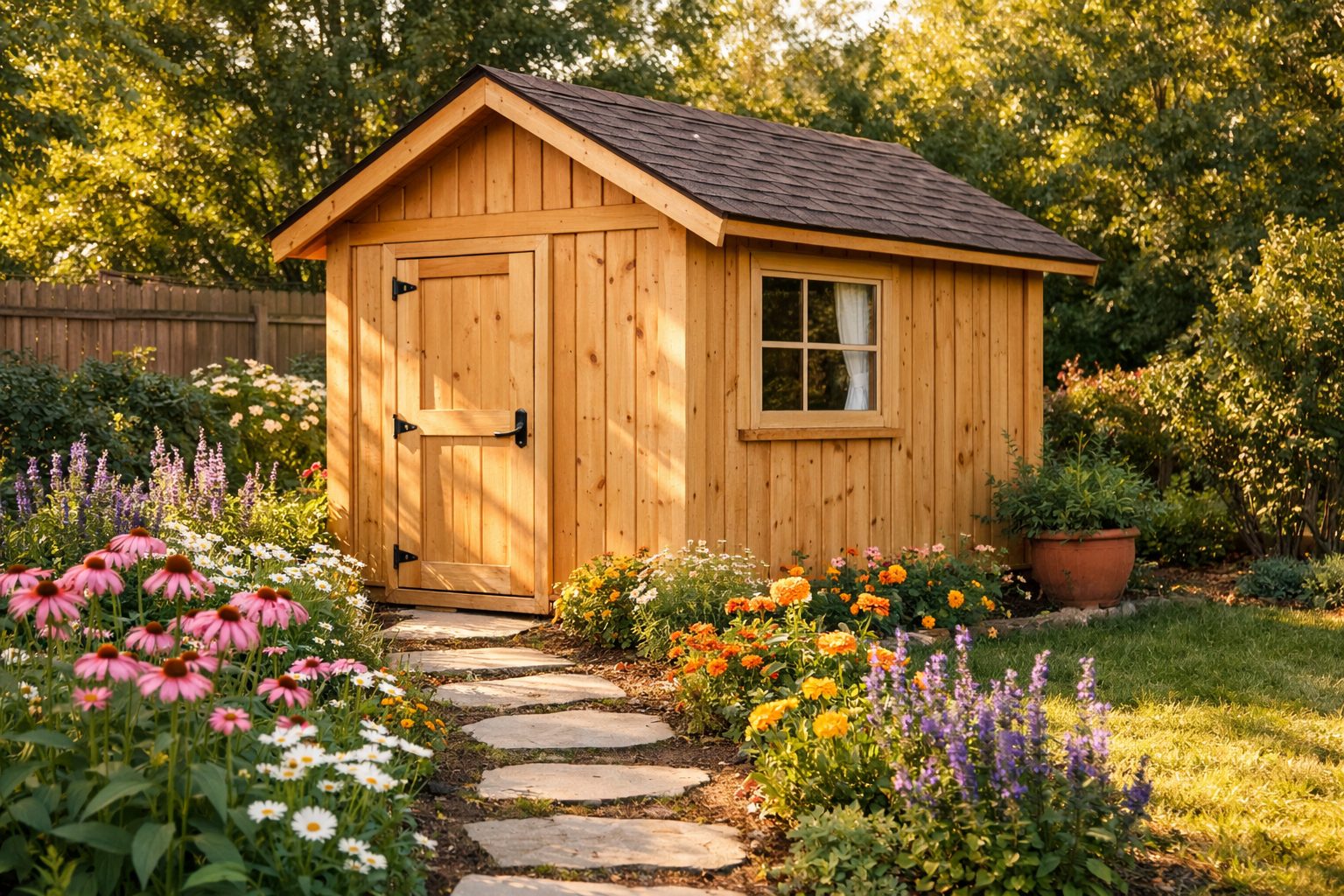
Building your own shed is one of the most satisfying DIY projects, and it can save a lot compared with buying a kit or hiring a builder. The plans you choose make or break the project. Here is how to judge free plans to build a shed, and what to look for before you cut a single board.
- Key takeaways:
- Choose shed plans with a complete materials list, cut list, and clear instructions.
- Decide on shed size, foundation type, and roof style before selecting plans.
- Always check local building codes and permit requirements before starting.
- Gather the right tools and prepare for a realistic timeline of several weekends.
- Paid plans may be worth it for larger or more complex sheds.
What every good shed plan should include
- A complete materials list with lumber sizes, quantities, fasteners and hardware.
- A cut list so you know exactly how to cut each board.
- Clear, dimensioned drawings of the floor, walls, roof, door and windows.
- Step-by-step instructions in a logical order.
- Foundation details suited to your ground and climate.
- Roof framing details, including rafter or truss angles.
Many free plans online are incomplete: missing measurements, vague steps or no materials list. Those gaps cost time and wasted lumber.
How to spot a quality shed plan
- Look for clear, labeled diagrams with all critical dimensions marked.
- The materials list should specify types, grades, and sizes of lumber, not just “2×4.”
- Cut lists help you minimize waste and plan your cuts before you start.
- Step-by-step instructions should guide you from foundation to roof, with no big jumps.
- Good plans include notes about local code considerations, anchoring, and weatherproofing.
If a plan is missing any of these elements, you may end up improvising or making costly mistakes. It pays to spend extra time reviewing the plan before buying any materials.
Decide on the basics first
Size and use
Think about what you will store now and in five years. Mowers, bikes and garden tools fill space fast. An 8×10 or 10×12 shed suits many yards. Check how close to property lines you can build.
- Measure the largest item you plan to store (like a riding mower) and allow extra space for walking and shelves.
- Consider adding a window for light and ventilation if you will work inside the shed.
- Allow for future needs: it’s easier to build a slightly larger shed now than to add on later.
Foundation
Common options are a gravel pad with timber skids (simple and good for drainage), concrete blocks (budget-friendly on level ground) or a concrete slab (best for heavy equipment, but more work).
- Gravel pad with skids: Good for most yards, keeps wood off the ground, allows for some movement and drainage.
- Concrete blocks: Easy and affordable, but only for level sites and small sheds.
- Concrete slab: Most stable and permanent, best for heavy equipment or if you want a floor that is easy to clean.
Always follow your shed plan’s foundation recommendations and adapt for your soil and climate. Frost heave, poor drainage, or sloped ground all require special attention.
Roof style
A gable roof is classic and sheds rain well. A lean-to (single slope) roof is the easiest for beginners. A gambrel barn-style roof gives extra loft storage.
- Gable roof: Symmetrical, attractive, good for most climates.
- Lean-to roof: Simple and quick to build, ideal if placing shed against a wall or fence.
- Gambrel roof: Distinctive “barn” look, creates extra headroom or loft storage, but more complex framing.
Choose a roof style that matches your skill level and fits the look of your home or yard.
Check the rules
Before you buy materials, check with your local building department and any homeowners association. Many areas require a permit above a certain size. Our guide do I need a permit to build a shed? explains what to ask.
- Setbacks: Most towns require sheds to be a certain distance from property lines, fences, and other buildings.
- Height limits: Some areas restrict shed height or roof pitch.
- Foundation requirements: Some codes specify what type of foundation you must use.
- HOA rules: Homeowners associations may have their own rules about shed size, color, or placement.
Skipping permits or ignoring rules can mean fines or having to move or remove your shed later. Always check before you start.
A realistic timeline
For two people with basic skills, a simple 8×10 shed usually takes two to four weekends: one for the foundation and floor, one or two for walls and roof framing, and one for roofing, siding, the door and paint.
- Foundation: 1 day to 1 weekend, depending on type and site prep.
- Framing: 1-2 weekends for walls and roof, depending on complexity.
- Finishing: 1 weekend for doors, windows, siding, trim, and paint.
Weather, delivery delays, and learning new skills can all add time. Build in extra days for unexpected setbacks.
Common timeline mistakes to avoid
- Underestimating how long site prep and foundation work can take.
- Not allowing for paint or stain drying times.
- Trying to rush roof work; safety and careful waterproofing are essential.

The Weekend Woodworker Starter Pack
Build your first projects with confidence. Inside you get:
- The essential tool list (and what to skip)
- 5 beginner projects with cut lists
- A safety checklist for your workspace
100% free. No spam, unsubscribe anytime. Privacy policy.
Tools you will need
A circular saw, drill/driver, tape measure, speed square, level, hammer, ladders and clamps cover most builds. A miter saw and nail gun speed things up. See starting woodworking at home for the basic kit.
- Essential tools: Circular saw, drill/driver, tape measure, speed square, level, hammer, step ladder, clamps.
- Helpful extras: Miter saw (for accurate angles), nail gun (for speed), sawhorses, chalk line, utility knife.
- Safety gear: Eye and hearing protection, gloves, dust mask.
Check your shed plan for any specialty tools needed, such as a rafter square or post-hole digger.
When paid plans are worth it
If you want a specific style, a larger shed or simply fewer surprises, a detailed paid plan set can pay for itself in saved lumber. My Shed Plans is a large collection of shed designs with materials lists that readers ask about. For other projects, TedsWoodworking covers furniture and smaller builds. Compare what is included and the refund policy before buying.
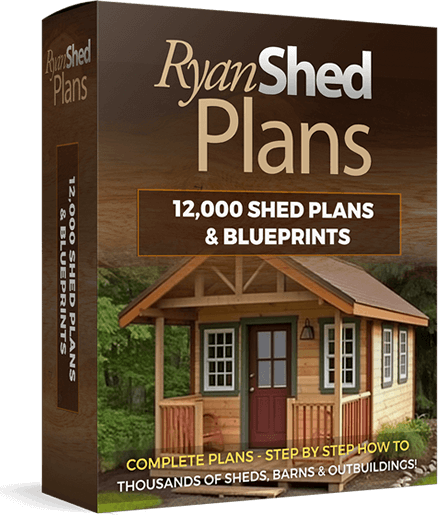
- Paid plans often include more detailed diagrams, full materials and cut lists, and customer support.
- They may offer a wider range of sizes, styles, and options for doors, windows, and trim.
- Read reviews and check refund policies before purchasing any plan set.
For a basic shed, free plans may be enough if you are comfortable filling in some gaps. For complex or custom projects, paid plans reduce risk and can save money in the long run.
Common mistakes to avoid
- Using incomplete or vague plans, leading to wasted materials or safety issues.
- Skipping the permit process or ignoring local codes.
- Not preparing the site properly, poor drainage or uneven ground can cause long-term problems.
- Choosing a shed size that is too small for your future needs.
- Rushing through framing or roofing, which can lead to leaks or structural issues.
- Not double-checking all measurements before cutting lumber.
Shed plan checklist
- Does the plan include a full materials list with sizes and quantities?
- Is there a detailed cut list?
- Are all diagrams dimensioned and clearly labeled?
- Are step-by-step building instructions included?
- Does the plan specify the foundation type and details?
- Are roof framing and rafter/truss details provided?
- Does the plan match your skill level?
- Have you checked local rules and permit requirements?
Frequently asked questions
How can I tell if a free shed plan is reliable?
Look for plans with a complete materials list, cut list, and clear, labeled diagrams. Reliable plans include step-by-step instructions and foundation details. Avoid plans that are vague, missing measurements, or seem incomplete.
Do I really need a permit for a backyard shed?
In many areas, yes, especially for sheds above a certain size, or if you plan to run electricity or plumbing. Always check with your local building department and homeowners association before starting. See our guide do I need a permit to build a shed? for details.
What is the easiest shed foundation for beginners?
A gravel pad with timber skids is often the simplest and most forgiving for beginners. It provides good drainage, keeps wood off the ground, and is less permanent than concrete. Make sure your ground is level and compacted before building.
How much space do I really need for a shed?
Most homeowners find that an 8×10 or 10×12 shed fits common needs like lawn equipment, bikes, and tools. Measure your largest items and allow extra space for shelves and walking room. If in doubt, go a bit bigger, you will rarely regret extra storage.
What tools are absolutely necessary to build a shed?
At minimum, you need a circular saw, drill/driver, tape measure, speed square, level, hammer, and a ladder. A miter saw and nail gun make the job faster and easier but are not strictly required. Always use safety gear like eye protection and gloves.
Why do some free plans have missing details?
Some free plans are meant as teasers for paid versions, while others are made by hobbyists and may lack professional detail. Double-check any free plan for missing measurements, unclear steps, or incomplete lists before you start building.
The bottom line
Good shed plans include a full materials list, cut list, dimensioned drawings and foundation details. Decide on size, foundation and roof first, check permits, and choose plans that match your skill level.
Want this as a handy printable?
The Weekend Woodworker Starter Pack
Build your first projects with confidence. Inside you get:
- The essential tool list (and what to skip)
- 5 beginner projects with cut lists
- A safety checklist for your workspace
100% free. No spam, unsubscribe anytime. Privacy policy.
Disclosure: links marked as sponsored are affiliate links. If you buy through them we may earn a commission at no extra cost to you.
Sources and further reading
This guide is for general information only and is not a substitute for professional advice. See our editorial policy.
Products mentioned in this guide
Affiliate links. Results vary. This is not medical advice.