

Feeling sleepy, thirsty or foggy an hour after a big meal? You might be noticing a blood sugar spike. Here are the most common signs of blood sugar spikes, what they feel like, and how to keep your levels steadier.
- Key takeaways:
- Blood sugar spikes are a rapid rise in blood glucose, often after eating high-carb or sugary foods.
- Common symptoms include thirst, tiredness, brain fog, more frequent urination and irritability.
- Some people feel nothing at all, so testing is important if you are at risk.
- Simple habits like walking after meals and pairing carbs with protein help keep levels steadier.
- See a doctor if you notice frequent symptoms or any severe warning signs.
What is a blood sugar spike?
After you eat, especially foods high in refined carbohydrates or sugar, glucose enters your blood. In most people, insulin brings it back down within two to three hours. A spike is a sharp rise, and in people with prediabetes or diabetes it can climb higher and stay up longer. As a rough guide, doctors like to see readings below about 140 mg/dL two hours after eating.
Blood sugar spikes are most common after meals that are high in simple carbs, like white bread, sweets or sugary drinks. Your pancreas releases insulin to help move glucose from your blood into your cells, but if your body does not respond well to insulin (insulin resistance) or you do not make enough, your blood sugar stays high longer.
Over time, frequent spikes can stress your body and contribute to complications, especially for people with diabetes or at risk for it. Even if you do not have diabetes, keeping your blood sugar steadier helps you feel better and supports long-term health.
Common signs of a blood sugar spike
- Increased thirst and a dry mouth
- Needing to pee more often
- Tiredness or a heavy, sleepy feeling after meals
- Difficulty concentrating or brain fog
- Headache
- Blurred vision
- Feeling irritable
Many people feel nothing at all, which is why testing matters more than symptoms.
More detail on common symptoms
- Thirst and dry mouth: High blood sugar draws water from your tissues, making you feel thirsty and drying out your mouth.
- Frequent urination: Your kidneys try to remove excess sugar by filtering it out in your urine, which means more trips to the bathroom.
- Fatigue: When glucose stays in your blood instead of entering your cells, your body cannot use it efficiently for energy, leading to tiredness.
- Brain fog and headaches: Spikes and drops in blood sugar can affect how your brain works, making it harder to focus and sometimes causing headaches.
- Blurred vision: High glucose can temporarily pull fluid from the lenses of your eyes, changing their shape and blurring vision.
- Irritability: Fluctuations in blood sugar can affect mood and make you feel cranky or anxious.

What a spike can feel like
People often describe a “food coma”: warmth, heaviness and an urge to nap after a carb-heavy meal, sometimes followed by a crash with shakiness, hunger or cravings an hour or two later as levels drop again.
You might notice:
- A sudden drop in energy, making you want to lie down or nap
- Feeling uncomfortably full or bloated
- Difficulty thinking clearly or staying alert
- Mood swings, such as feeling unusually irritable or down
- Sometimes, after the initial spike, a “crash” with shakiness, sweating or strong hunger as blood sugar drops rapidly
It is important to remember that not everyone feels these symptoms, and some people may only notice mild changes or nothing at all. People with long-standing diabetes may not feel symptoms until levels are very high.

The Steady Blood Sugar Cheat Sheet
Fewer spikes, more energy. Inside you get:
- The simple plate method on one page
- 25 smart food swaps you will actually enjoy
- A printable reading and meal log
100% free. No spam, unsubscribe anytime. Privacy policy.
Why spikes happen
- Meals heavy in white bread, rice, pasta, pastries or sweets
- Sugary drinks and fruit juice, which are absorbed very quickly
- Eating carbohydrates on their own, without protein, fat or fiber
- Sitting still after meals
- Stress, illness and poor sleep, which raise stress hormones
- Insulin resistance, prediabetes or diabetes
How blood sugar rises after eating
When you eat carbohydrates, your body breaks them down into glucose, which enters your bloodstream. If you eat a lot of simple or refined carbs, glucose floods your blood quickly. Your pancreas releases insulin to help move this glucose into your cells for energy. If your insulin response is slow or if you are resistant to insulin, glucose stays high in your blood for longer.
Other factors, like stress or illness, can also raise your blood sugar, even if you have not eaten. Stress hormones like cortisol signal your liver to release stored glucose, which can add to spikes after meals.
Common mistakes that contribute to spikes
- Eating only carbohydrates at a meal or snack (like just toast or crackers)
- Drinking regular soda or fruit juice with meals
- Skipping breakfast, then eating a large, carb-heavy lunch
- Not moving at all after eating
- Not getting enough sleep, which can make your body more insulin resistant
How to keep blood sugar steadier
- Walk after meals. Even 10 minutes helps muscles absorb glucose.
- Eat in order. Vegetables and protein first, carbohydrates last.
- Pair carbs with protein and fiber, for example apple with peanut butter rather than apple alone.
- Swap sugary drinks for water, tea or coffee without sugar.
- Choose whole grains and beans over refined starches.
- Sleep seven to eight hours.
Our guide to a healthy diet for prediabetes goes into meal ideas.
Step-by-step tips for preventing spikes
- Before eating: Try to include some protein (like eggs, yogurt, chicken or tofu) and fiber (vegetables, beans, whole grains) at each meal.
- During meals: Eat your vegetables and protein first, then eat your carbohydrates last. This slows the absorption of glucose.
- After eating: Take a short walk or do light activity, like tidying up or gardening, to help your muscles use the glucose in your blood.
- Snacking: If you want a snack, choose one with both protein and fiber (such as nuts with fruit or cheese with whole grain crackers).
- Drinks: Avoid sugary drinks. Choose water, unsweetened tea or black coffee.
- Sleep and stress: Aim for regular sleep and manage stress through relaxation, gentle exercise or hobbies.
Checklist: How to spot and prevent blood sugar spikes
- Do I feel thirsty, tired or foggy after eating?
- Am I eating mostly refined carbs or sugary foods?
- Do I pair carbs with protein and fiber?
- Do I walk or move after meals?
- Am I drinking water instead of sugary drinks?
- Do I get enough sleep and manage stress?
Checking off these habits can help keep your blood sugar steadier throughout the day.
When to see a doctor
If you often notice these signs, ask your doctor for a fasting glucose or HbA1c test. Seek urgent care for extreme thirst, confusion, vomiting, fruity-smelling breath or rapid breathing, which can be signs of dangerously high blood sugar, especially in people with diabetes.
If you have risk factors for diabetes (such as being overweight, having a family history or being over age 45), regular screening is important even if you do not notice symptoms. Early detection allows you to make changes before complications develop.
Red flags that need quick medical attention include:
- Severe thirst and frequent urination that do not go away
- Extreme fatigue, confusion or drowsiness
- Vomiting or inability to keep fluids down
- Fruity-smelling breath or rapid, deep breathing
- Unexplained weight loss
These can be signs of very high blood sugar (hyperglycemia) or diabetic ketoacidosis, which is a medical emergency.
What about blood sugar supplements?
Some supplements are marketed to support healthy blood sugar. Evidence is mixed and none replaces diet, activity or prescribed medicine. Some readers try one as an extra, often because of a money-back guarantee. Options readers ask about include Sugar Defender and Gluco6. Always check with your doctor if you take diabetes medication, as combining them can push sugar too low.
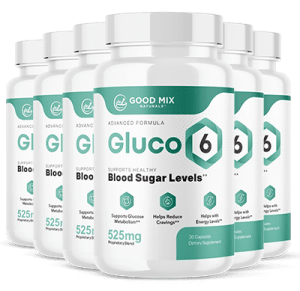

Supplements should never be used as a substitute for healthy eating, regular activity or prescribed medication. Always discuss any supplement with your healthcare provider, especially if you have diabetes or take medication, to avoid dangerous interactions or side effects.
See also: what actually helps when blood sugar is creeping up.
Frequently asked questions
What is considered a normal blood sugar after eating?
For most adults, a normal blood sugar level two hours after eating is less than 140 mg/dL. Some experts suggest aiming for under 120 mg/dL if you do not have diabetes. If your readings are often higher, talk to your doctor about testing for prediabetes or diabetes.
Can I have a blood sugar spike without feeling any symptoms?
Yes. Many people, especially early in the course of prediabetes or diabetes, have high blood sugar after meals but feel no symptoms at all. This is why regular blood tests are important if you have risk factors.
What foods are most likely to cause spikes?
Foods high in simple or refined carbohydrates, such as white bread, white rice, pastries, sweets, regular soda and fruit juice, are most likely to cause spikes. Eating these foods alone, without protein or fiber, makes spikes more likely.
How soon after eating does blood sugar peak?
Blood sugar usually peaks about one hour after you start eating, but this can vary based on what you eat and your body’s insulin response. In people without diabetes, levels typically return to normal within two to three hours.
Is it possible to prevent all blood sugar spikes?
No one can avoid all rises in blood sugar, but you can reduce big spikes by eating balanced meals, moving after eating and choosing whole foods. Even small changes, like walking for 10 minutes after a meal, make a difference.
Should I test my blood sugar at home?
If you have diabetes or your doctor recommends it, home monitoring can help you see how your body responds to different foods and habits. For most people without diabetes, regular testing is not needed unless directed by a healthcare provider.
The bottom line
Thirst, tiredness, brain fog and frequent urination after meals can be signs of a blood sugar spike. Walking after eating, smarter food pairings and fewer sugary drinks make a real difference, and a simple blood test tells you where you stand.
Want this as a handy printable?
The Steady Blood Sugar Cheat Sheet
Fewer spikes, more energy. Inside you get:
- The simple plate method on one page
- 25 smart food swaps you will actually enjoy
- A printable reading and meal log
100% free. No spam, unsubscribe anytime. Privacy policy.
Disclosure: links marked as sponsored are affiliate links. If you buy through them we may earn a commission at no extra cost to you. This article is for information only and is not medical advice.
Sources and further reading
This guide is for general information only and is not a substitute for professional advice. See our editorial policy.
Products mentioned in this guide
Affiliate links. Results vary. This is not medical advice.