
Saw palmetto is the best-known herbal remedy for an enlarged prostate, and it appears in most prostate supplements. But does it actually work? Here is what the research says about saw palmetto for an enlarged prostate.
- Key takeaways:
- Saw palmetto is a popular herbal supplement for prostate health, but large studies show it works no better than placebo for urinary symptoms of an enlarged prostate (BPH).
- It is generally safe for most men, with mild side effects, but may interact with blood thinners and affect some lab tests.
- Prescription medications and lifestyle changes have stronger evidence for relief of BPH symptoms.
- Always see your doctor before starting supplements to rule out other causes and discuss safe options.
- Choosing reputable brands is important due to quality differences between products.
What is saw palmetto?
Saw palmetto is a small palm native to the southeastern United States. Extracts of its berries have been used for urinary problems for generations, and they are widely sold as supplements in the US and prescribed as herbal medicine in parts of Europe.
The berries are harvested and processed into capsules, tablets, teas, and liquid extracts. In the US, saw palmetto is most often marketed for men’s health, especially for benign prostatic hyperplasia (BPH), a non-cancerous enlargement of the prostate gland that is common as men age.
While saw palmetto has a long history of traditional use, today it is regulated as a dietary supplement rather than a medication. This means it is not subject to the same rigorous testing and quality control as prescription drugs.
How it is supposed to work
Lab studies suggest saw palmetto may partly block an enzyme (5-alpha reductase) that converts testosterone to DHT, a hormone involved in prostate growth. This is similar in theory to the prescription drug finasteride, though much weaker.
DHT, or dihydrotestosterone, is a hormone that stimulates prostate tissue growth. By reducing DHT levels, it is thought that saw palmetto might help slow or reduce the enlargement of the prostate. Some lab research also suggests it may have anti-inflammatory effects and could relax smooth muscle in the urinary tract, potentially easing symptoms.
However, effects seen in test tubes or animals do not always translate to real benefits in people. The amount of active compounds can also vary greatly between saw palmetto products, making it difficult to predict results.

What the big studies found
Earlier small studies were promising, but larger, better-designed trials were not. The STEP trial, published in the New England Journal of Medicine, and the CAMUS trial, published in JAMA, found that saw palmetto worked no better than a placebo for urinary symptoms, even at triple the usual dose. A major Cochrane review reached the same conclusion.
These studies measured common BPH symptoms, such as frequent urination, weak stream, nighttime waking to urinate, and the feeling of incomplete bladder emptying. The results showed no significant difference between saw palmetto and placebo in improving these symptoms or urine flow rates.
That said, some men report feeling better, possibly due to the placebo effect, natural ups and downs in symptoms, or differences between products.
It is also possible that some saw palmetto supplements are more potent than others, but overall, the evidence does not support its use as a reliable treatment for BPH symptoms.
Understanding benign prostatic hyperplasia (BPH)
BPH is a common condition in men over 50. The prostate gland slowly enlarges, which can squeeze the urethra and cause urinary problems. Symptoms include:
- Frequent urination, especially at night
- Difficulty starting urination
- Weak urine stream or dribbling
- Sensation of incomplete bladder emptying
- Urgency and sometimes leakage
While BPH is not cancer and does not increase cancer risk, it can significantly affect quality of life. If you notice new or worsening urinary symptoms, always talk to your doctor to rule out other causes such as infection or, rarely, prostate cancer.
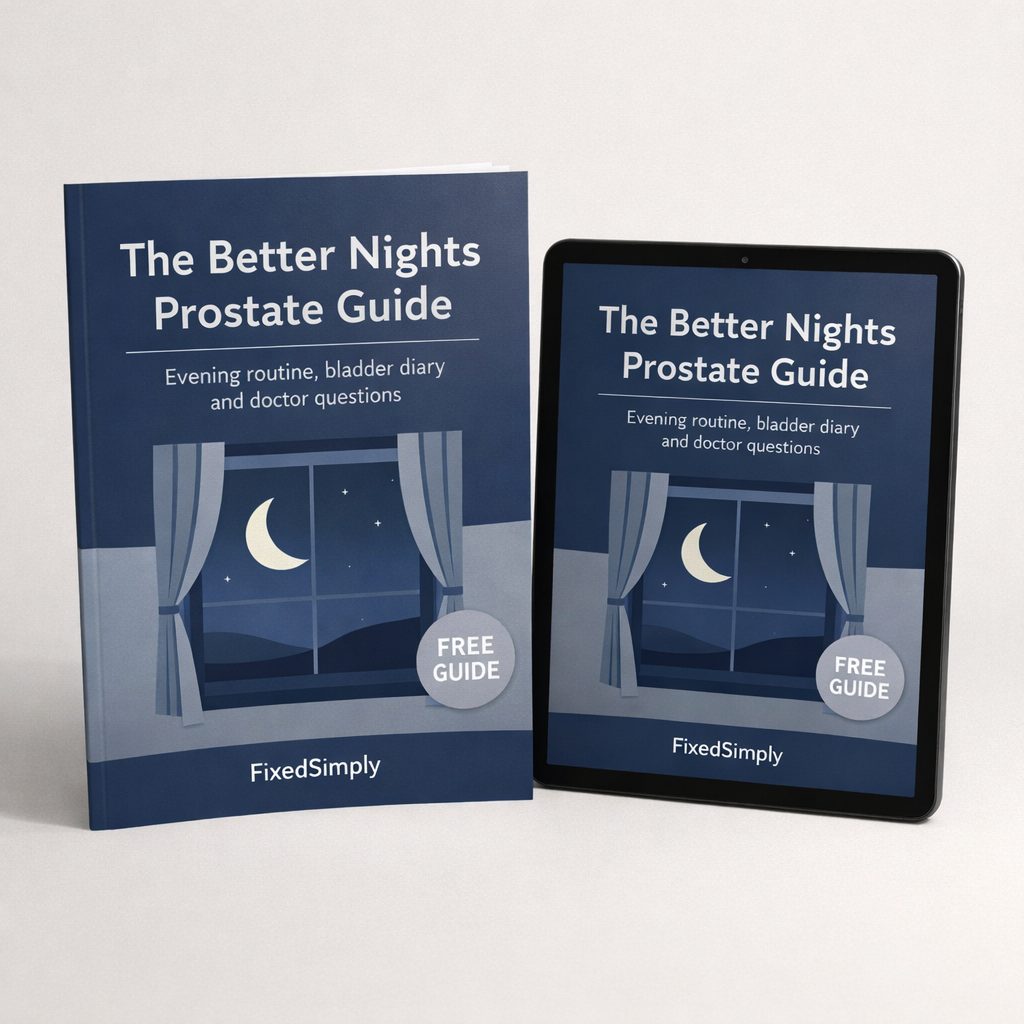
The Better Nights Prostate Guide
Fewer bathroom trips at night. Inside you get:
- An evening routine that helps you sleep through
- A printable 3-day bladder diary
- The questions to ask your doctor
100% free. No spam, unsubscribe anytime. Privacy policy.
Is saw palmetto safe?
It is generally well tolerated. Side effects are usually mild: stomach upset, headache or dizziness. Points to keep in mind:
- It may increase bleeding risk with blood thinners such as warfarin.
- Tell your doctor you take it, as it may affect hormone-related tests.
- Product quality varies widely between brands.
Rarely, allergic reactions or serious side effects have been reported. Because saw palmetto can affect hormone levels, it is especially important to mention it to your healthcare provider if you are having blood tests for prostate health, such as PSA (prostate specific antigen), or if you are preparing for surgery.
Supplements are not regulated as strictly as medications. Some products may not contain the amount of saw palmetto claimed on the label, or may be contaminated. Always choose brands that are independently tested or certified for quality.
Options with better evidence
- Lifestyle changes: fewer evening drinks, less caffeine and alcohol, double voiding and regular activity.
- Prescription medicines: alpha-blockers relax prostate muscles within days, and 5-alpha reductase inhibitors shrink the gland over months.
- Minimally invasive procedures for men who prefer not to take long-term medication.
- Beta-sitosterol and pygeum have a little more supportive evidence than saw palmetto, though still limited.
Most men with mild symptoms can start with lifestyle changes. Avoiding fluids before bedtime, limiting caffeine and alcohol, and practicing double voiding (urinating, then waiting and trying again) can help. Regular physical activity and maintaining a healthy weight are also beneficial.
For moderate to severe symptoms, prescription medications are often recommended. Alpha-blockers (such as tamsulosin) work quickly to relax the muscles in the prostate and bladder neck, making urination easier. 5-alpha reductase inhibitors (such as finasteride or dutasteride) work over several months to shrink the prostate by lowering DHT levels. These medications are proven to reduce symptoms and the risk of complications.
For men who do not respond to medication or prefer not to take pills long term, minimally invasive procedures (such as UroLift or Rezum) or surgery may be considered. These options are effective but carry their own risks and should be discussed with a urologist.
Other plant extracts, such as beta-sitosterol and pygeum, have slightly more evidence than saw palmetto but are still not as well supported as prescription treatments. Always discuss any supplement with your doctor before starting.
Checklist: What to do if you have BPH symptoms
- See your doctor to confirm the diagnosis and rule out other causes.
- Discuss the severity of your symptoms and how much they affect your life.
- Ask about lifestyle changes and self-care tips you can try.
- Review the pros and cons of prescription medications and procedures.
- If considering supplements, choose reputable brands and monitor your symptoms.
- Report any new, severe or sudden symptoms such as blood in urine, pain, inability to urinate or weight loss to your doctor immediately.
Thinking of trying a prostate supplement?
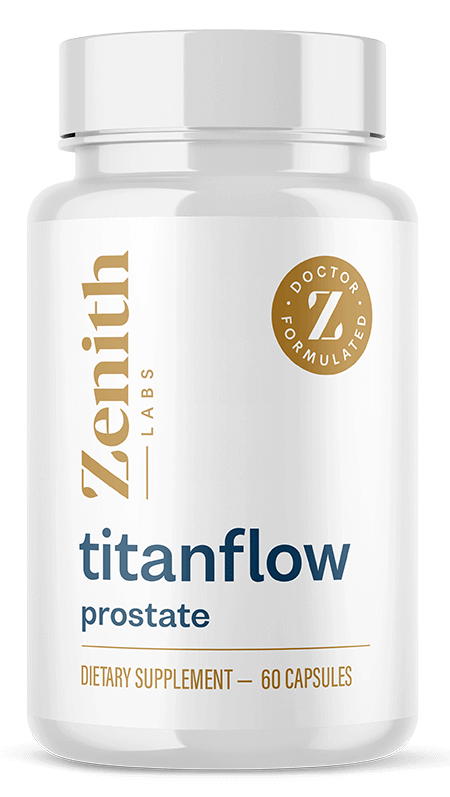
If you want to try one, see your doctor first to rule out other causes, choose a reputable brand and give it a fair trial while tracking symptoms. Many combination formulas include saw palmetto alongside other plant extracts. Options readers ask about include ProstaVive, Protoflow and TitanFlow. Read the refund terms before buying.
Learn the warning signs in enlarged prostate (BPH) symptoms and everyday tips in prostate health after 50.
Frequently asked questions
Does saw palmetto shrink the prostate?
There is no strong evidence that saw palmetto shrinks the prostate gland in men with BPH. Large studies have not shown a reduction in prostate size compared to placebo. Prescription medications such as finasteride are proven to shrink the prostate over time.
How long should I try saw palmetto before deciding if it works?
If you choose to try saw palmetto, give it at least 6 to 12 weeks while tracking your symptoms. If you do not notice improvement by then, it is unlikely to help. Always let your doctor know you are taking it and monitor for any side effects.
Can saw palmetto interfere with other medications?
Yes, saw palmetto can interact with certain medications, especially blood thinners like warfarin, and may increase bleeding risk. It may also affect hormone-related lab tests. Always discuss with your doctor or pharmacist before adding any supplement.
Is it safe to take saw palmetto long term?
Most studies suggest saw palmetto is safe for most men when used for up to one year. However, long-term safety beyond that is less certain, and quality varies between products. Regular check-ins with your doctor are important if you plan to use it long term.
What are the warning signs that need urgent medical attention?
If you develop blood in your urine, severe pain, sudden inability to urinate, fever, chills, or unexplained weight loss, seek medical attention right away. These may be signs of infection, kidney problems or, rarely, prostate cancer.
Do any supplements have strong evidence for BPH?
No supplement has strong, consistent evidence for treating BPH symptoms. Some, like beta-sitosterol or pygeum, have slightly more support than saw palmetto, but prescription medications and lifestyle changes remain the mainstays of treatment.
The bottom line
Saw palmetto is safe for most men, but the strongest studies show it works no better than placebo for an enlarged prostate. Lifestyle changes and proven treatments should come first; a supplement is an optional extra.
Want this as a handy printable?
The Better Nights Prostate Guide
Fewer bathroom trips at night. Inside you get:
- An evening routine that helps you sleep through
- A printable 3-day bladder diary
- The questions to ask your doctor
100% free. No spam, unsubscribe anytime. Privacy policy.
Disclosure: links marked as sponsored are affiliate links. If you buy through them we may earn a commission at no extra cost to you. This article is for information only and is not medical advice.
Sources and further reading
This guide is for general information only and is not a substitute for professional advice. See our editorial policy.
Products mentioned in this guide
Affiliate links. Results vary. This is not medical advice.