
Pink in the sink when you brush, or breath that lingers no matter how much mint you use, are two of the most common reasons people search for dental help online. Both usually point to the same thing: a build-up of bacteria along the gumline. The encouraging part is that the early stage is reversible with the right daily habits.
- Key takeaways:
- Bleeding gums and bad breath are usually caused by bacteria along the gumline.
- Early gum disease (gingivitis) can often be reversed with proper brushing and flossing.
- Persistent symptoms, pain, pus, or loose teeth mean you should see a dentist promptly.
- Oral probiotics may help as a supplement, but are not a substitute for dental care.
- Daily oral hygiene and regular dental check-ups prevent most issues.
Why gums bleed
Healthy gums do not bleed with normal brushing. When they do, the most likely cause is gingivitis, the earliest stage of gum disease. Plaque (a sticky film of bacteria) collects where the teeth meet the gums, the gums become inflamed, and inflamed tissue bleeds easily.
Other things that can play a part:
- Brushing too hard or using a hard-bristled brush
- Starting to floss after a long break (this usually settles within a week or two)
- Smoking, which can also hide bleeding while damage continues
- Hormonal changes, including pregnancy
- Diabetes, which makes gum disease more likely
- Blood-thinning medication
How gum disease develops
Gum disease begins when plaque is not removed by regular brushing and flossing. Over time, plaque hardens into tartar (calculus), which irritates the gums and makes it even harder to keep the area clean. The immune system responds to this ongoing irritation by sending more blood and immune cells to the area, causing swelling and bleeding. If left untreated, gingivitis can progress to periodontitis, where the bone and tissues supporting the teeth are damaged.
Other causes of bleeding gums
While gum disease is the most common reason for bleeding, sometimes bleeding gums are caused by other factors. Some people may have a vitamin deficiency (such as vitamin C), a blood clotting disorder, or side effects from medications. Always mention persistent or severe gum bleeding to your dentist or doctor, especially if you have other symptoms like bruising or fatigue.
Common mistakes to avoid
- Brushing too aggressively: This can injure gums and cause recession.
- Skipping flossing: Plaque builds up quickly between teeth.
- Using a hard-bristled brush: Soft bristles are safer and just as effective.
- Ignoring early signs: Bleeding that continues for more than two weeks is a red flag.
What bad breath is telling you
Most persistent bad breath comes from the mouth itself: bacteria on the back of the tongue, between teeth and in inflamed gums produce sulphur compounds that smell. Dry mouth makes it worse, which is why breath is often worst in the morning. Less often, bad breath is linked to sinus problems, reflux or other health conditions.
How mouth bacteria cause bad breath
Bacteria that live in the mouth break down food particles, dead cells and proteins. In the process, they release volatile sulphur compounds (VSCs), which have an unpleasant odor. These bacteria thrive in areas that are hard to clean, such as the back of the tongue, between teeth and under the gumline. If gum disease is present, the inflamed tissues provide even more places for bacteria to hide and multiply.
Other causes of bad breath
- Dry mouth (xerostomia): Saliva helps wash away food and bacteria. Certain medications, dehydration, and mouth breathing can reduce saliva flow.
- Diet: Foods like onions, garlic and coffee can contribute to temporary bad breath.
- Medical conditions: Chronic sinus infections, acid reflux, diabetes and some liver or kidney problems can cause persistent bad breath.
- Smoking: Tobacco products dry out the mouth and leave lingering odors.
Checklist: Is your bad breath from your mouth?
- Does it improve after brushing and flossing?
- Is it worse in the morning?
- Do you have dry mouth or take medications that reduce saliva?
- Do others notice it, or is it only something you sense?
- Are there any other symptoms, such as nasal congestion, reflux, or recent changes in health?
If your answer is yes to the first two and you have no other symptoms, your bad breath is likely from oral bacteria and can often be improved with better oral hygiene. If not, or if it persists despite good care, see your dentist or doctor to check for other causes.

When to see a dentist
Book a dental check-up if bleeding lasts more than two weeks of good brushing and flossing, if gums are pulling back from the teeth, if teeth feel loose, or if you notice pus, swelling or pain. These can be signs of periodontitis, the more advanced stage of gum disease, which needs professional treatment and cannot be fixed at home.
Red flag symptoms
- Bleeding gums that do not improve after two weeks of daily brushing and flossing
- Gums pulling away from the teeth (recession)
- Teeth that feel loose or move when you touch them
- Pus, swelling, or pain in the gums
- Persistent bad breath that does not improve with good oral hygiene
- Changes in your bite or the way your teeth fit together
If you have any of these symptoms, do not delay. Gum disease can progress quickly and cause permanent damage if left untreated. Early intervention by a dental professional can prevent tooth loss and restore your oral health.
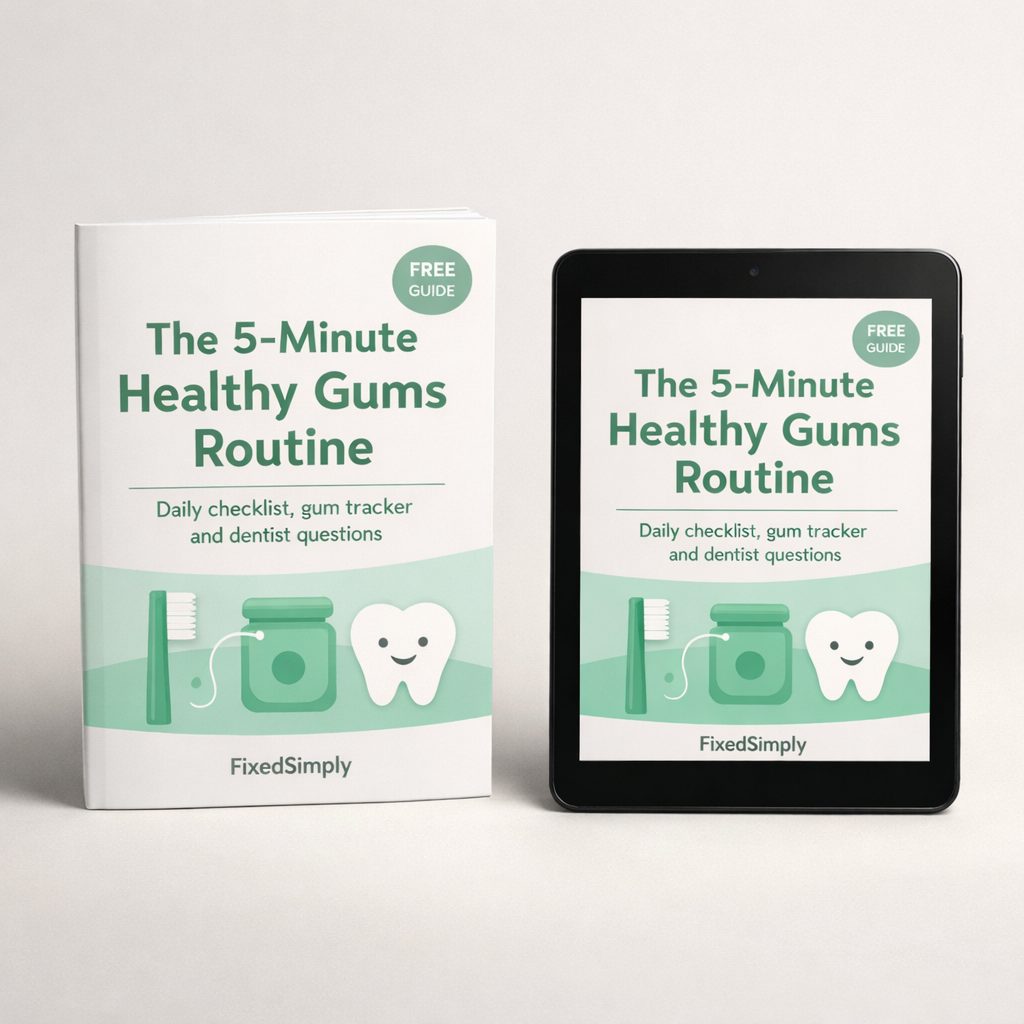
The 5-Minute Healthy Gums Routine
Fresher breath, healthier gums. Inside you get:
- A simple morning and night routine you can stick to
- A 30-day bleeding gums tracker
- What to ask at your next dental visit
100% free. No spam, unsubscribe anytime. Privacy policy.
The daily routine that fixes most early cases
- Brush twice a day for two minutes with a soft brush and fluoride toothpaste. Angle the bristles toward the gumline and use gentle circles rather than scrubbing.
- Clean between your teeth once a day. Floss, interdental brushes or a water flosser all work. Expect some bleeding for the first few days; it should reduce as the gums heal.
- Clean your tongue with a tongue scraper or your toothbrush, especially toward the back.
- Stay hydrated and chew sugar-free gum to keep saliva flowing.
- Cut back on sugary snacks and drinks, which feed plaque bacteria.
- See your dentist or hygienist regularly for a professional clean, which removes hardened tartar that brushing cannot.
Most people who follow this routine consistently see less bleeding within two to three weeks.
Step-by-step tips for better oral hygiene
- Choose the right brush: Use a soft-bristled toothbrush that fits comfortably in your hand and mouth.
- Replace your toothbrush: Every three to four months, or sooner if bristles are frayed.
- Use the correct technique: Hold the brush at a 45-degree angle to the gumline and use small, gentle circles.
- Floss carefully: Gently slide the floss between your teeth and curve it around each tooth, moving it up and down. Avoid snapping the floss into your gums.
- Consider interdental brushes: These small brushes can be easier to use than floss for some people, especially if you have larger gaps between teeth.
- Rinse if needed: An alcohol-free mouthwash can help reduce bacteria, but should not replace brushing and flossing.
- Scrape your tongue: A tongue scraper is more effective than brushing the tongue alone for removing odor-causing bacteria.
What to avoid
- Do not brush immediately after acidic foods or drinks (like citrus or soda); wait at least 30 minutes to avoid damaging enamel.
- Do not use toothpicks or sharp objects to clean between teeth; they can injure gums.
- Do not rely solely on mouthwash or breath mints to mask bad breath.
What about oral probiotics?
Oral probiotics are supplements, usually chewable tablets or lozenges, that contain “friendly” bacteria strains intended to support a healthier balance of bacteria in the mouth. Common strains include Lactobacillus reuteri, Lactobacillus paracasei and Streptococcus salivarius (often listed as BLIS K12 or M18).
The research here is genuinely interesting but still early. Some small studies have found improvements in gum inflammation or bad breath with certain strains, while other studies show little effect. They are best thought of as a possible add-on to good brushing and flossing, never a replacement for them or for dental care.
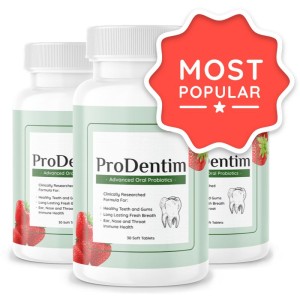
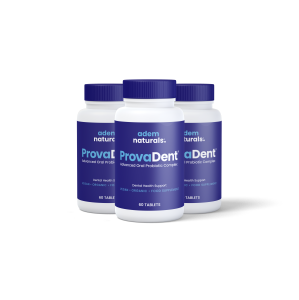
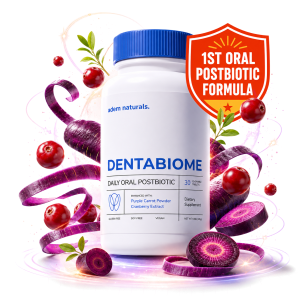
If you want to try one, check that the product lists specific strains and amounts, ask your dentist or pharmacist if it suits you, and read the refund terms. Products readers ask about include ProDentim, ProvaDent and DentaBiome. Their claims have not been evaluated by the FDA, and none of them can reverse advanced gum disease.
How oral probiotics may work
The idea behind oral probiotics is to introduce more beneficial bacteria into your mouth, which may crowd out the harmful bacteria that cause gum disease and bad breath. Some strains can produce substances that limit the growth of odor-causing bacteria. However, the mouth is a complex ecosystem, and more research is needed to know which strains are most effective and for whom. Oral probiotics are generally safe for healthy adults, but check with your dentist or doctor before starting any supplement, especially if you have a health condition or take medications.
Oral probiotics: checklist
- Look for products that list specific bacterial strains and the amount per dose.
- Check for third-party testing or certifications.
- Read reviews and refund policies before purchase.
- Remember, probiotics are not a cure for gum disease or a substitute for brushing and flossing.
Comparison: Home care vs. professional dental care
| Home Care | Professional Dental Care |
|---|---|
|
|
Both are important. Home care prevents most problems and keeps your mouth healthy between visits. Professional care catches issues early and treats what you cannot manage at home.
Frequently asked questions
Can bleeding gums heal on their own?
If bleeding is caused by mild gingivitis and you start brushing and flossing thoroughly, gums often heal within two to three weeks. If bleeding continues after that, see your dentist to rule out more serious problems.
Is bad breath always a sign of gum disease?
No. While gum disease is a common cause, bad breath can also come from dry mouth, diet, sinus infections, acid reflux, or certain health conditions. If good oral hygiene does not improve your breath, see your dentist or doctor.
How do I know if my gum disease is serious?
Signs of serious gum disease (periodontitis) include gums pulling away from teeth, loose teeth, persistent bad breath, pus, pain, and swelling. If you notice these, get a dental evaluation as soon as possible.
Are oral probiotics safe for everyone?
Most oral probiotics are safe for healthy adults, but people with immune system problems, allergies, or those on certain medications should check with their dentist or doctor first.
What is the best way to clean between teeth?
Flossing is effective, but some people prefer interdental brushes or water flossers. The best method is the one you will use consistently and correctly. Ask your dentist or hygienist for a demonstration if you are unsure.
Can mouthwash replace brushing and flossing?
No. Mouthwash can help reduce bacteria and freshen breath, but it does not remove plaque and food debris like brushing and flossing do. Use it as a supplement, not a substitute.
The bottom line
Bleeding gums and bad breath are usually early warning signs, not a lost cause. A soft brush, daily cleaning between teeth, a clean tongue and regular dental visits fix most early cases. If things do not improve within a few weeks, see a dentist rather than buying more products.
Want this as a handy printable?
The 5-Minute Healthy Gums Routine
Fresher breath, healthier gums. Inside you get:
- A simple morning and night routine you can stick to
- A 30-day bleeding gums tracker
- What to ask at your next dental visit
100% free. No spam, unsubscribe anytime. Privacy policy.
Disclosure: links marked as sponsored are affiliate links. If you buy through them we may earn a commission at no extra cost to you. This article is for information only and is not medical or dental advice.
Sources and further reading
This guide is for general information only and is not a substitute for professional advice. See our editorial policy.
Products mentioned in this guide
Affiliate links. Results vary. This is not medical advice.
1 thought on “Bleeding Gums and Bad Breath: What Causes Them and How to Fix Them at Home”
Comments are closed.