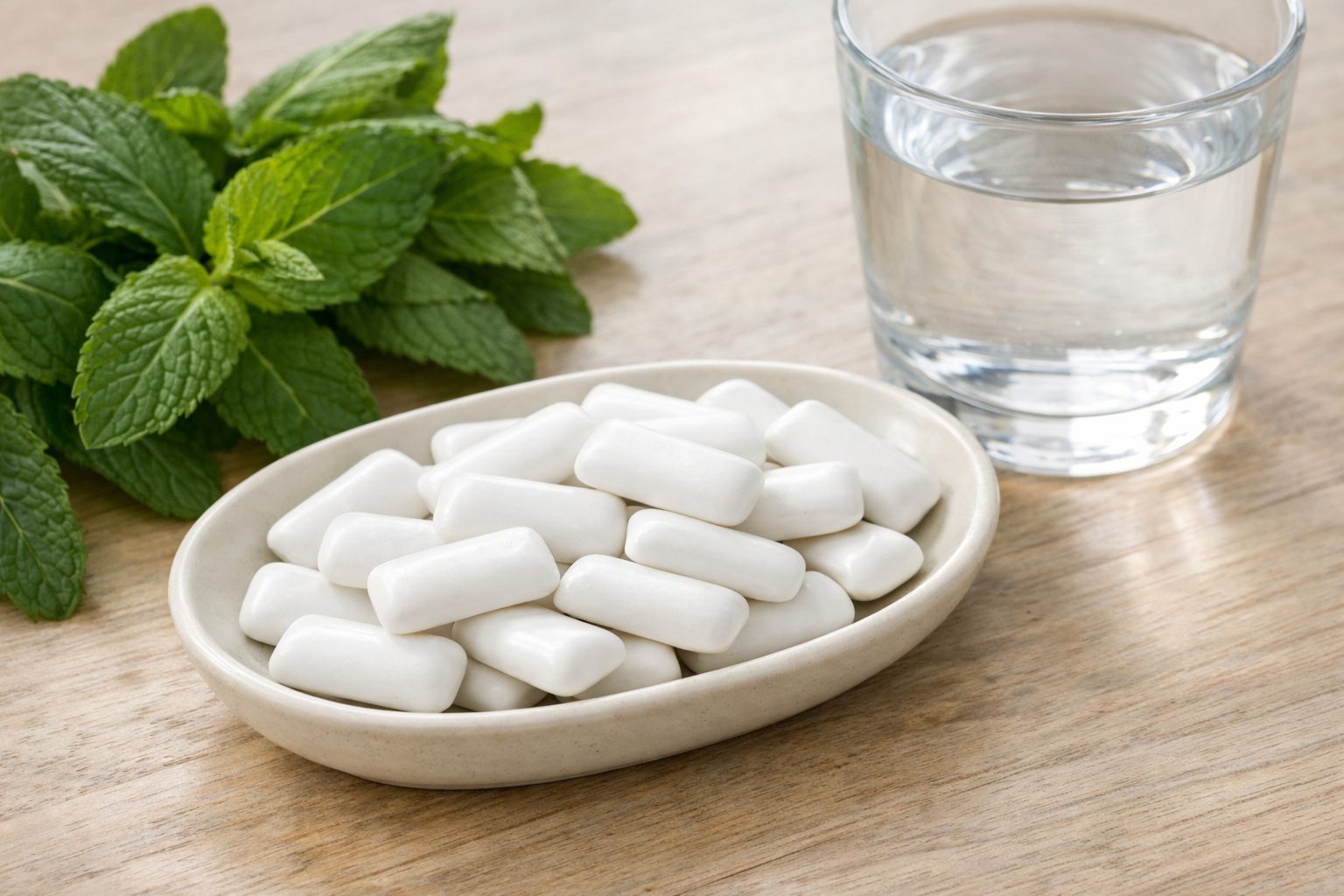
Chewing gum is a quick fix many people reach for after coffee or garlic. But does sugar-free gum help bad breath in a meaningful way? Yes, in the short term, and it has dental benefits too.
- Key takeaways:
- Sugar-free gum helps freshen breath by boosting saliva and masking odors.
- It works best for short-term relief, not as a permanent fix.
- Xylitol-sweetened gums may offer extra dental benefits but are toxic to dogs.
- Good oral hygiene, brushing, flossing, tongue cleaning, is essential for lasting fresh breath.
- See a dentist if bad breath persists despite good care.
How sugar-free gum helps
- It boosts saliva. Chewing increases saliva flow several times over, which washes away food debris and odor-causing bacteria. A dry mouth is one of the main causes of bad breath.
- It masks odors with mint or other flavors.
- It helps protect teeth. The American Dental Association says chewing sugar-free gum for 20 minutes after meals can help prevent tooth decay.
Why does saliva matter?
Saliva is your mouth’s natural cleaning system. It helps neutralize acids produced by bacteria, washes away food particles, and keeps tissues moist. When your mouth is dry, after sleeping, drinking coffee, or taking certain medications, bacteria can flourish and produce foul-smelling compounds. Chewing sugar-free gum stimulates your salivary glands, helping to restore moisture and flush away the bacteria and debris that contribute to bad breath (also called halitosis).
Saliva also contains enzymes and proteins that help control bacterial growth. Without enough saliva, bacteria multiply quickly, leading to more odor and a higher risk of tooth decay and gum disease. This is why people with chronic dry mouth (xerostomia) often struggle with persistent bad breath.
How gum masks odors
The strong flavors in sugar-free gum, especially mint, can cover up bad breath for a short time. While the effect is temporary, it can be helpful before meetings or social events. However, masking the smell does not remove its source, so the effect will fade as the flavor wears off.
It is important to understand that while gum can quickly freshen breath, it is not a substitute for good oral hygiene. The underlying causes of bad breath, such as bacteria on the tongue or between teeth, remain unless they are physically removed.
Dental benefits of sugar-free gum
Besides helping with breath, sugar-free gum can protect your teeth. Chewing increases saliva, which contains minerals that help strengthen tooth enamel and wash away acids left by food. The American Dental Association recommends chewing sugar-free gum for about 20 minutes after eating to help prevent cavities. Importantly, gum with sugar feeds bacteria and can make dental problems worse, so always choose sugar-free options.
Saliva also helps repair early stages of tooth decay by supplying calcium and phosphate to your enamel. By stimulating saliva, sugar-free gum supports this natural repair process. This makes it a useful tool if you are unable to brush after meals, such as at work or while traveling.
What about xylitol?
Xylitol is a sugar alcohol used to sweeten many gums. Mouth bacteria cannot use it for energy the way they use sugar, and some studies suggest it may reduce cavity-causing bacteria. Important: xylitol is highly toxic to dogs, so keep gum well away from pets.
How xylitol works
Xylitol looks and tastes like sugar but cannot be metabolized by the main bacteria that cause tooth decay (Streptococcus mutans). When these bacteria try to digest xylitol, they cannot produce acid or multiply as effectively, which may help reduce plaque and cavities over time. This is why some dentists recommend xylitol-sweetened gum as part of a dental care routine.
In addition to reducing bacteria, xylitol helps keep the mouth moist and can make it harder for new cavities to form. However, xylitol is not a substitute for brushing, flossing, or regular dental visits. Its benefits are best seen when combined with good daily oral care.
Safety warning for pets
Even small amounts of xylitol can cause a dangerous drop in blood sugar or liver failure in dogs. If you have pets, store gum safely out of reach and never share it with animals. If a dog eats gum with xylitol, contact a veterinarian immediately.
Symptoms of xylitol poisoning in dogs can appear within minutes to hours and include vomiting, loss of coordination, seizures, and even death. Be sure to educate family members and visitors about the dangers, especially if you keep gum in purses, backpacks, or coat pockets.
When to chew
- After meals and snacks when you cannot brush
- After coffee, which can dry the mouth
- When your mouth feels dry, such as on flights or long drives
Best times and situations for sugar-free gum
Chewing sugar-free gum is most helpful right after eating, especially when brushing is not possible. It can also help after drinking coffee or alcohol, both of which dry out your mouth. Other good times include:
- During long stretches of talking (public speaking or teaching)
- On medications that cause dry mouth
- While traveling, especially on airplanes
- After smoking (though quitting smoking is best for breath and health)
In these situations, gum can help you stay comfortable and reduce the risk of bad breath developing. Just remember not to overdo it, as excessive chewing can cause jaw discomfort.
How to chew gum for best results
- Choose a sugar-free gum, preferably with xylitol.
- Chew for about 20 minutes after meals or snacks.
- Spit out the gum when the flavor fades (usually after 20-30 minutes).
- Do not swallow gum; it is not digestible.
- Store gum away from pets and children.
Chewing for 20 minutes is usually enough to stimulate saliva and help clear away food debris. Swallowing gum is not recommended, as it cannot be digested and may cause intestinal blockage if done repeatedly, especially in children.
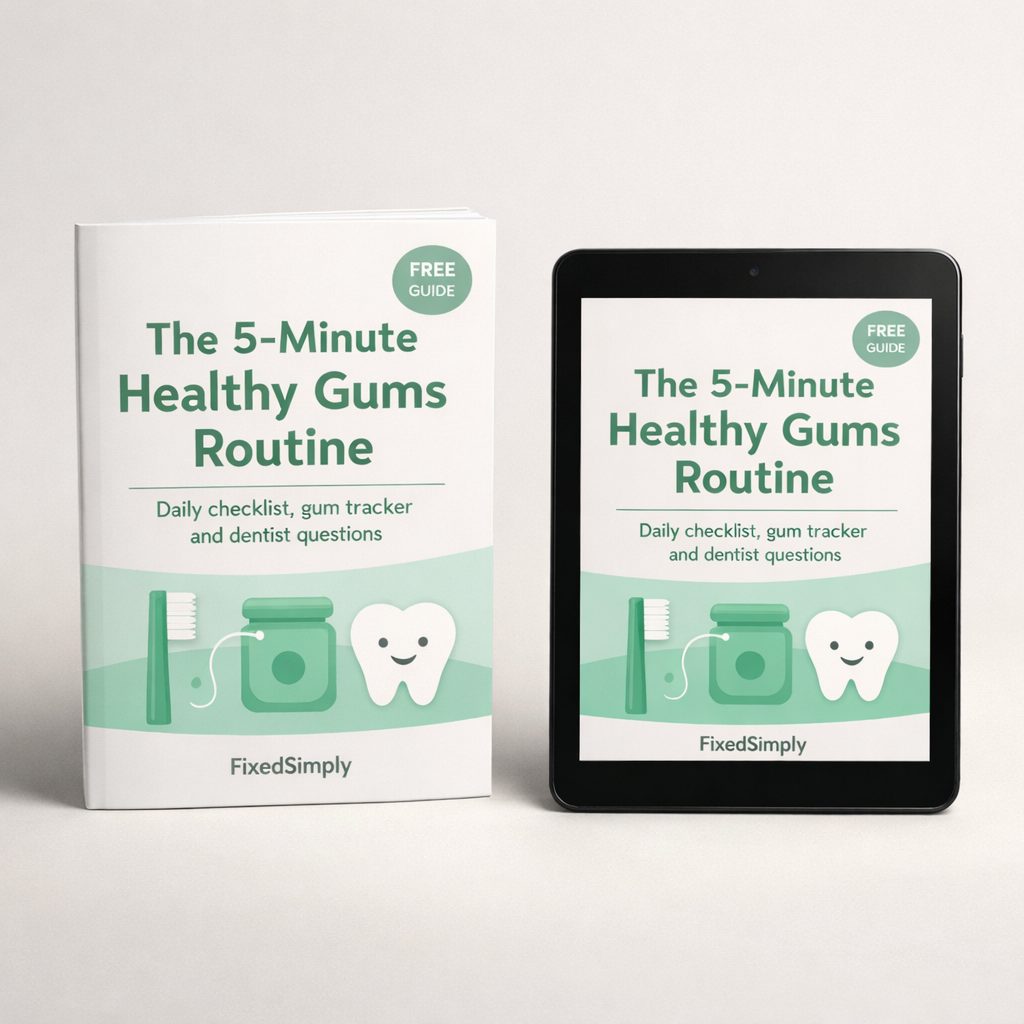
The 5-Minute Healthy Gums Routine
Fresher breath, healthier gums. Inside you get:
- A simple morning and night routine you can stick to
- A 30-day bleeding gums tracker
- What to ask at your next dental visit
100% free. No spam, unsubscribe anytime. Privacy policy.
The limits
Gum does not remove the bacterial coating on the tongue or plaque along the gumline, which are the main sources of ongoing bad breath. Sugar alcohols can also cause bloating or diarrhea if you chew a lot. And if you have jaw pain or TMJ problems, frequent chewing may make it worse.
What gum cannot do
- It does not clean your tongue. The back of your tongue harbors most odor-causing bacteria. Gum cannot reach or remove this coating.
- It does not remove plaque. Plaque forms along the gumline and between teeth. Only brushing and flossing can remove it.
- It does not fix underlying medical or dental issues. Chronic bad breath can be caused by gum disease, tooth decay, sinus infections, acid reflux, or other health problems.
Many people mistakenly believe that chewing gum can substitute for brushing, flossing, or scraping the tongue. However, these steps are necessary for real, lasting breath improvement. Gum is best viewed as a short-term helper, not a cure.
Potential side effects
- Digestive upset: Large amounts of sugar alcohols (like xylitol, sorbitol, or mannitol) can cause gas, bloating, or diarrhea.
- Jaw discomfort: Chewing gum for long periods can aggravate temporomandibular joint (TMJ) problems or jaw pain.
- Choking hazard: Gum is not recommended for young children or people with swallowing difficulties.
If you notice any discomfort or digestive issues from gum, cut back or switch to a different brand. Always supervise children and avoid giving gum to anyone at risk of choking.
When to see a dentist or doctor
- If bad breath persists despite good oral hygiene and gum use
- If you notice bleeding gums, loose teeth, or mouth pain
- If you have a constant dry mouth (could be a sign of medication side effects or medical conditions)
- If you experience digestive problems from gum
Persistent bad breath can be a sign of a more serious dental or medical problem, such as gum disease, cavities, sinus infections, or even conditions like diabetes or acid reflux. If your breath does not improve with good care, make an appointment with a dental professional.
What fixes bad breath for longer
- Brush twice a day and floss once a day
- Clean your tongue daily; see tongue scraping for bad breath
- Drink water through the day
- See your dentist for cleanings and to check for gum disease
Our guide to what causes bad breath explains the other common causes.
Checklist for lasting fresh breath
- Brush teeth with fluoride toothpaste morning and night
- Floss daily to remove food and plaque between teeth
- Scrape your tongue each morning
- Drink plenty of water, especially after coffee or alcohol
- Chew sugar-free gum after meals if brushing is not possible
- Visit your dentist twice a year for checkups and cleanings
- Avoid tobacco and limit foods known to cause odor (onions, garlic, spicy foods)
Sticking to this checklist will give you the best chance at keeping your breath fresh and your mouth healthy. Remember, no gum or mint can replace the basics of oral hygiene.
Oral probiotics
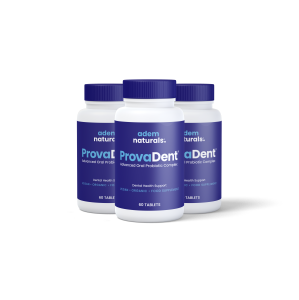
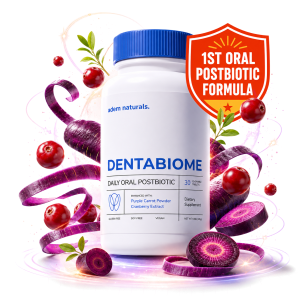
Some readers add an oral probiotic. Options include ProDentim and DentaBiome; evidence is still early.

What are oral probiotics?
Oral probiotics are supplements that contain beneficial bacteria intended to balance the mouth’s natural microbiome. Early research suggests they may help reduce bad breath by crowding out odor-causing bacteria, but more studies are needed. If you choose to try one, look for products specifically designed for oral health and talk to your dentist if you have questions.
Unlike traditional probiotics for gut health, oral probiotics are formulated to work in the mouth. They may come as lozenges, chewables, or tablets. While some people find them helpful, they should not replace brushing, flossing, or dental visits.
Frequently asked questions
Does sugar-free gum work as well as mouthwash for bad breath?
Sugar-free gum and mouthwash work in different ways. Gum boosts saliva and helps clear away food debris, while mouthwash can temporarily kill bacteria and neutralize odors. For best results, use both as part of a complete oral care routine. Mouthwash does not replace brushing, flossing, or tongue cleaning.
How many pieces of sugar-free gum per day are safe?
Most people can safely chew a few pieces of sugar-free gum per day. However, chewing large amounts (more than 5-6 pieces daily) may cause digestive upset due to sugar alcohols. If you notice bloating or diarrhea, cut back on gum or try a different brand with less sugar alcohol.
Can chewing gum help with dry mouth caused by medication?
Yes, chewing sugar-free gum can help relieve dry mouth (xerostomia) caused by medications or medical conditions. The increased saliva flow can make your mouth more comfortable and may help reduce the risk of cavities. If dry mouth is severe or persistent, see your dentist or doctor for additional treatments.
Is chewing gum bad for dental work like crowns or dentures?
Sugar-free gum is generally safe for most dental work, but very sticky gum can sometimes dislodge crowns, bridges, or dentures. If you have extensive dental work, check with your dentist before chewing gum regularly. Avoid gum if you have braces, as it can stick to wires and brackets.
What is the best type of gum for bad breath?
Look for sugar-free gum with xylitol or sorbitol as the sweetener. Choose strong mint flavors for the best odor-masking effect. Avoid gum with sugar, as it can feed bacteria and worsen dental problems.
Can children use sugar-free gum for bad breath?
Sugar-free gum can be safe for older children who understand not to swallow it. It is not recommended for children under 4-5 years old due to choking risk. Always supervise children and store gum out of reach of pets and young kids.
Common mistakes to avoid
- Relying on gum alone. Gum is a helper, not a replacement for brushing, flossing, and tongue cleaning.
- Choosing gum with sugar. Sugar feeds bacteria and can make breath and dental health worse.
- Over-chewing. Too much gum can cause jaw pain or digestive upset.
- Ignoring persistent bad breath. Chronic halitosis may signal a dental or medical problem that needs professional attention.
- Leaving gum where pets can reach it. Xylitol is dangerous for dogs, even in small amounts.
The bottom line
Sugar-free gum is a useful short-term helper for bad breath and good for teeth, especially after meals. For lasting fresh breath, combine it with brushing, flossing, tongue cleaning and water.
Want this as a handy printable?
The 5-Minute Healthy Gums Routine
Fresher breath, healthier gums. Inside you get:
- A simple morning and night routine you can stick to
- A 30-day bleeding gums tracker
- What to ask at your next dental visit
100% free. No spam, unsubscribe anytime. Privacy policy.
Disclosure: links marked as sponsored are affiliate links. If you buy through them we may earn a commission at no extra cost to you. This article is for information only and is not medical advice.
Sources and further reading
This guide is for general information only and is not a substitute for professional advice. See our editorial policy.
Products mentioned in this guide
Affiliate links. Results vary. This is not medical advice.