
Creaky knees on the stairs, stiff fingers in the morning, a hip that complains after a long walk. Joint pain is one of the most common reasons adults over 50 see a doctor, and one of the most heavily marketed areas for supplements. This guide separates what is known to help from what is mostly hype.
- Osteoarthritis is the most common cause of joint pain after 50.
- Exercise and muscle strengthening are proven to help reduce pain and stiffness.
- Weight management, heat/cold therapy, and topical pain relief are practical strategies.
- Supplements have mixed evidence; results vary and none are proven cures.
- See a doctor for sudden, severe, or persistent joint symptoms.
Why joints start to ache
The most common cause of joint pain in later life is osteoarthritis: gradual wear and change in the cartilage that cushions the ends of the bones, along with changes in the surrounding bone and tissues. Knees, hips, hands and the lower back are affected most often.
Other causes include old injuries, overuse, carrying extra body weight (which adds load to knees and hips), and inflammatory conditions such as rheumatoid arthritis or gout, which behave differently and need medical treatment.
Cartilage is the smooth, rubbery tissue that covers the ends of bones in a joint. Over time, cartilage can thin and roughen, making movement less smooth. The body’s response may include swelling, stiffness, and pain, especially after periods of inactivity or overuse. Muscles and ligaments around the joint may weaken, further reducing stability and comfort.
Other factors that can play a role include genetics (family history of arthritis), previous joint injuries, repetitive motion from work or hobbies, and certain metabolic conditions. All of these can contribute to changes that make joints less resilient as we age.
When to see a doctor
Get checked if a joint is hot, red and swollen, if pain came on suddenly or after an injury, if you have fever, if several joints are stiff for more than an hour each morning, or if pain is stopping you from doing everyday things. These can be signs of an inflammatory or infective cause that needs proper treatment.
Other red flags include:
- Loss of joint function (cannot bend, straighten or bear weight)
- Unexplained weight loss or night sweats
- Persistent pain that does not improve with self-care
- Joint deformity or instability
Early diagnosis and treatment are especially important for inflammatory arthritis and infections, which can cause long-term joint damage if not treated promptly. If you are unsure, it is always safer to check with your doctor.

What has the strongest evidence
Movement and strength
It sounds backwards when a joint hurts, but regular exercise is one of the most effective treatments for osteoarthritis. Strengthening the muscles around a knee or hip takes load off the joint. Low-impact activities such as walking, cycling, swimming and water exercise are good starting points, and a physiotherapist can give you a plan that suits your joints.
Exercise helps in several ways:
- Reduces stiffness and pain by keeping joints moving and lubricated.
- Improves muscle strength to support and protect joints.
- Boosts flexibility and balance, lowering the risk of falls.
Common mistake: Resting too much. While it is important not to overdo it, complete rest can make joints stiffer and muscles weaker. The key is to find a balance, gentle, regular movement most days, with activity tailored to your abilities and comfort level.
How to start:
- Begin with short walks or gentle stretching.
- Try water aerobics or swimming for less joint stress.
- Use stationary bikes or elliptical machines for low-impact cardio.
- Ask a physical therapist for a personalized strengthening plan.
Weight
For knee pain in particular, losing even a modest amount of excess weight reduces the load on the joint with every step, and studies show it can noticeably reduce pain.
Every extra pound adds several pounds of pressure to weight-bearing joints like the knees and hips. Even a 5-10% reduction in body weight can make a real difference in symptoms and mobility.
Tips for healthy weight management:
- Focus on gradual, sustainable changes in eating habits.
- Combine a balanced diet with regular activity.
- Set small, achievable goals and celebrate progress.
- Seek support from a health professional if needed.
Heat, cold and rest days
Warmth eases stiffness; cold packs help after activity if a joint feels puffy or sore. Pacing yourself, with lighter days after heavy ones, helps more than stopping altogether.
Heat works by relaxing muscles and increasing blood flow, which can reduce stiffness, especially in the morning or before exercise. Use a warm towel, heating pad, or warm shower for 15-20 minutes at a time.
Cold is best for swelling or after activity. An ice pack wrapped in a cloth for 10-15 minutes can reduce inflammation and numb sore areas. Do not apply ice directly to the skin.
Common mistake: Overusing heat or cold. Alternate as needed, and avoid prolonged or direct contact to prevent burns or frostbite.
Pain relief
Topical anti-inflammatory gels (such as diclofenac gel) are often recommended for knee and hand osteoarthritis, and tend to have fewer side effects than tablets. Ask your pharmacist or doctor which option suits you, especially if you have stomach, kidney or heart problems.
Other non-prescription options include acetaminophen (Tylenol) for mild pain, but be cautious with regular use and check for interactions with other medications. Non-steroidal anti-inflammatory drugs (NSAIDs) in pill form can help but may cause side effects, especially in older adults. Always use the lowest effective dose for the shortest time needed, and consult your doctor if you have other health conditions.
Checklist for safe pain relief:
- Start with topical treatments for localized pain.
- Use oral medications only as directed and discuss risks with your doctor.
- Monitor for side effects such as stomach upset, bruising, or changes in blood pressure.
- Never combine multiple NSAIDs (like ibuprofen and naproxen) without medical advice.
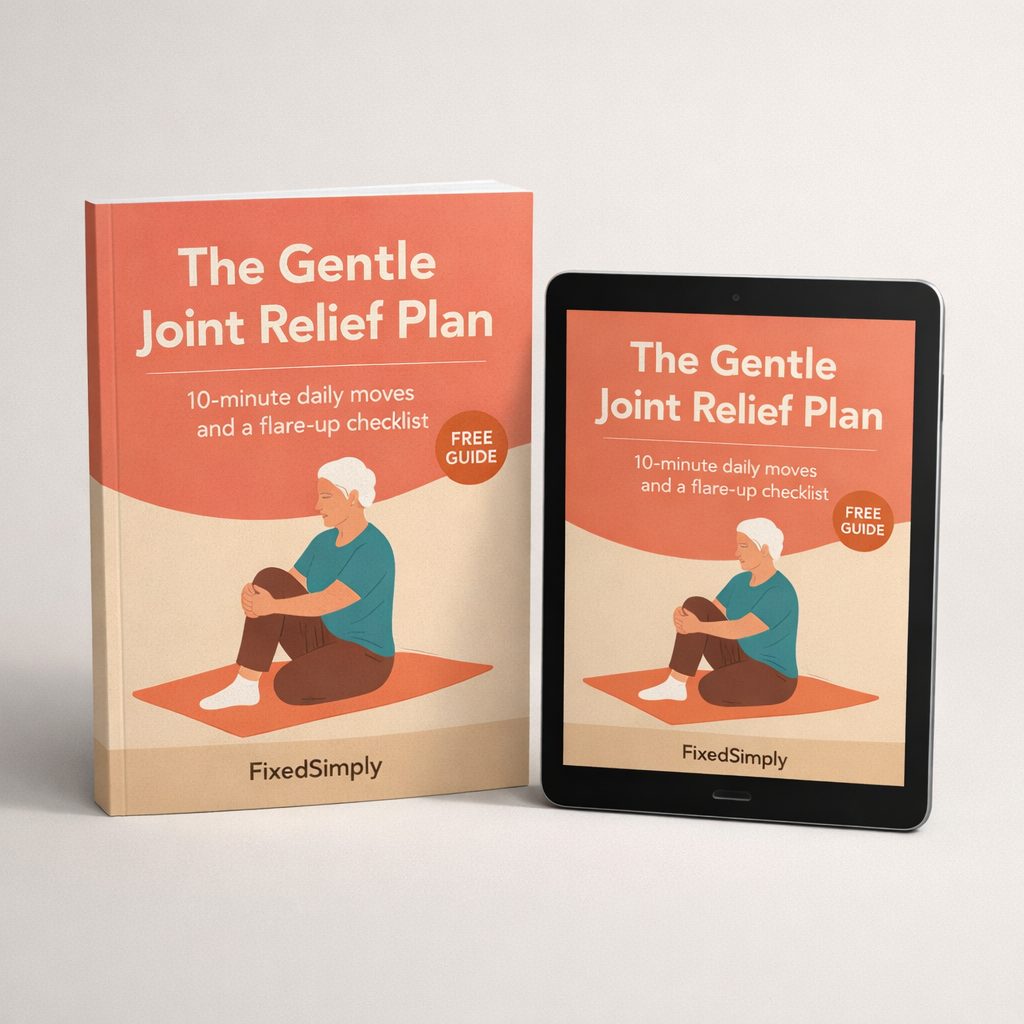
The Gentle Joint Relief Plan
Move easier, starting this week. Inside you get:
- A 10-minute daily routine of gentle moves
- A flare-up checklist for bad days
- Red flags that mean see a doctor
100% free. No spam, unsubscribe anytime. Privacy policy.
Joint supplements: an honest look
The best-known joint supplements are glucosamine and chondroitin. Large studies have produced mixed results: some people report benefit, but overall the effect in trials has been small or similar to placebo. Other ingredients such as turmeric (curcumin), boswellia, collagen and omega-3 fish oil have some encouraging early research, but the evidence is not strong enough to call them proven.
If you want to try a supplement, give it a fair trial of around two to three months, keep doing your exercises alongside it, and check with your pharmacist about interactions. Turmeric and fish oil, for example, may not be suitable if you take blood thinners.
Products readers ask about include Joint Genesis, a capsule supplement, and ArcticBlast, a topical product applied to the skin. For a non-supplement option, Ageless Knees is an exercise program. Supplement claims have not been evaluated by the FDA, and none of these replace a medical assessment for persistent pain.
Key points about supplements:
- Supplements are not a cure for arthritis or joint pain.
- Some people notice mild improvement; others see no effect.
- Quality and ingredients can vary widely between brands.
- Always check for interactions with your current medications.
- Report any side effects to your doctor right away.
Common mistake: Expecting quick or dramatic results. Supplements should be seen as an optional add-on, not a replacement for proven approaches like exercise and weight management.
Other practical tips for joint comfort
- Footwear: Supportive shoes with cushioning can reduce stress on knees, hips, and back.
- Joint protection: Use walking aids (canes, braces) if recommended by your doctor or therapist.
- Modify activities: Break tasks into smaller steps, use assistive devices for opening jars, and avoid repetitive motions when possible.
- Stay hydrated: Proper hydration supports overall tissue health.
- Sleep well: Quality sleep helps the body recover and manage pain.
Checklist: What helps most for stiff, aching joints
- Stay physically active with joint-friendly exercise
- Strengthen muscles around painful joints
- Manage weight to reduce joint load
- Use heat for stiffness and cold for swelling
- Try topical pain relief first; use oral medications with care
- Consider supplements as an optional extra, not a main treatment
- See a doctor for sudden, severe, or persistent pain
Frequently asked questions
Can I exercise if my joints hurt?
Yes, most people with osteoarthritis or mild joint pain benefit from regular, gentle exercise. Movement helps lubricate joints, reduce stiffness, and build supporting muscles. Start slowly and choose low-impact activities. If pain worsens or you develop swelling, stop and seek advice from a healthcare provider.
Are there foods that can help joint pain?
A balanced diet rich in fruits, vegetables, whole grains, and healthy fats supports overall health and may help reduce inflammation. Some people find that limiting processed foods and added sugars helps. No specific food has been proven to cure arthritis, but maintaining a healthy diet can aid weight management and joint health.
How do I know if my joint pain is something serious?
Warning signs include sudden swelling, redness, warmth, fever, inability to move the joint, or pain after an injury. These could signal infection, inflammatory arthritis, or a fracture. Persistent pain that interferes with daily life also deserves medical attention.
Is it safe to take joint supplements with my medications?
Some supplements, such as turmeric or fish oil, can interact with blood thinners or other medications. Always check with your doctor or pharmacist before starting any new supplement, especially if you take prescription drugs or have chronic health conditions.
How long should I try a supplement before deciding if it works?
Most experts recommend a trial of two to three months. If you do not notice any improvement in pain or function by then, it is unlikely that continuing will help. Remember to keep up with exercise and other proven strategies during this time.
Can joint pain be prevented?
While you cannot always prevent arthritis or age-related joint changes, you can lower your risk by staying active, maintaining a healthy weight, avoiding joint injuries, and managing conditions like diabetes or gout. Early attention to joint health pays off over time.
The bottom line
For most everyday joint pain, the most reliable help comes from staying active, strengthening the muscles that support the joint, managing weight, and using heat, cold and topical pain relief sensibly. Supplements are an optional extra with modest evidence, so keep expectations realistic.
Want this as a handy printable?
The Gentle Joint Relief Plan
Move easier, starting this week. Inside you get:
- A 10-minute daily routine of gentle moves
- A flare-up checklist for bad days
- Red flags that mean see a doctor
100% free. No spam, unsubscribe anytime. Privacy policy.
Disclosure: links marked as sponsored are affiliate links. If you buy through them we may earn a commission at no extra cost to you. This article is for information only and is not medical advice.
Sources and further reading
This guide is for general information only and is not a substitute for professional advice. See our editorial policy.
Products mentioned in this guide
 Joint GenesisSee official site
 ArcticBlastSee official site
 Ageless KneesSee official site
 Nerve FreshSee official site
Affiliate links. Results vary. This is not medical advice.