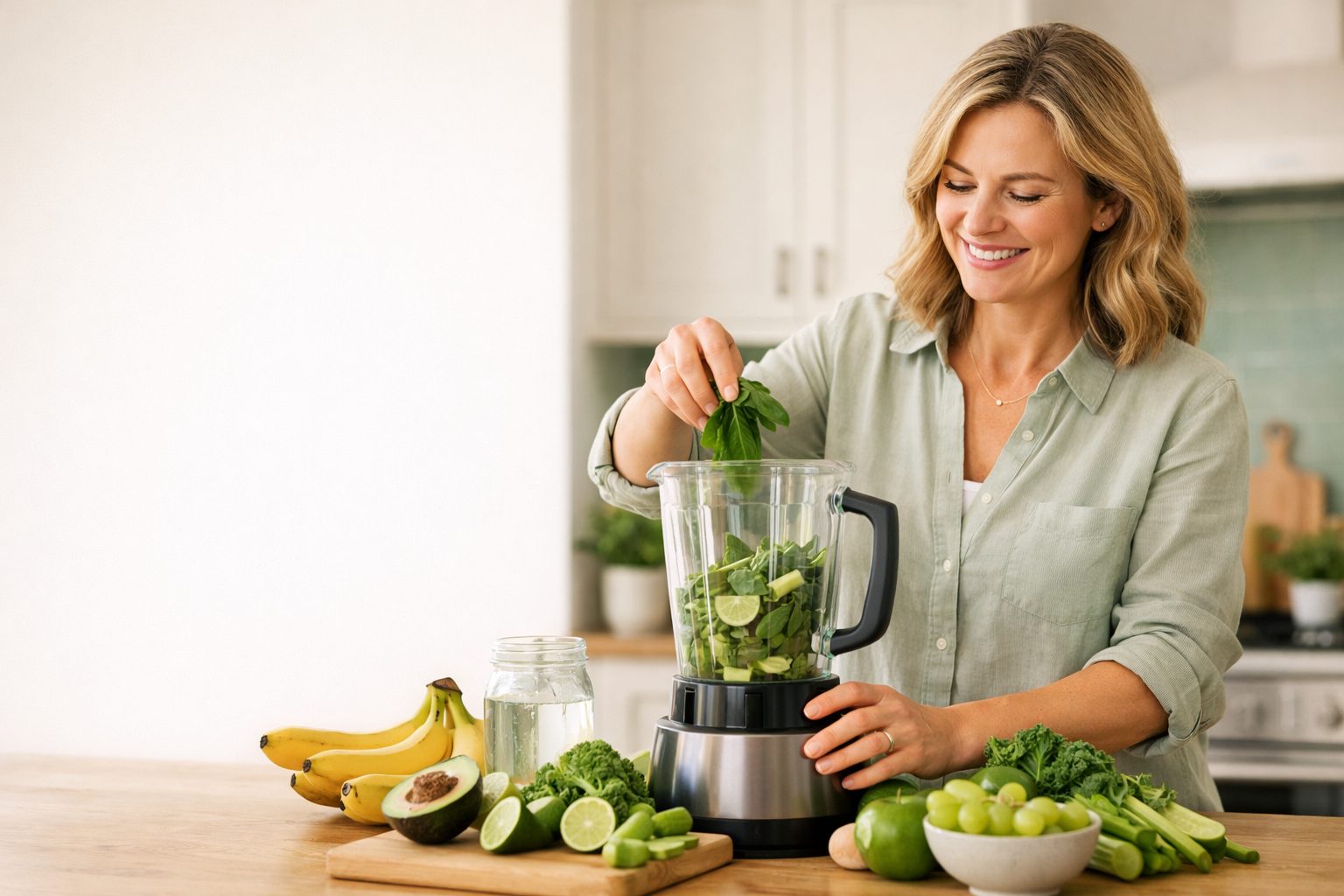
You are eating roughly the same as you always have, yet the scale keeps creeping up and your waistband feels tighter. Weight gain around the middle after 40 is extremely common, and it is not a lack of willpower.
Here is what is going on, and the steps that make a real difference.
- Key takeaways:
- Belly fat becomes more stubborn after 40 due to muscle loss, hormone changes, and lifestyle shifts.
- Small, consistent changes to diet, movement, and sleep are far more effective than quick fixes.
- Protein, strength training, daily walking, and fiber-rich foods are proven strategies.
- Supplements are optional, and should never replace healthy habits.
- See your doctor if you notice sudden weight gain or other unusual symptoms.
Why it gets harder after 40
- Muscle loss. From around 30 to 40 we lose a little muscle each decade unless we work to keep it, and muscle burns more energy than fat, even at rest.
- Hormone changes. Menopause in women and falling testosterone in men both shift fat towards the belly.
- Less movement. Desk jobs, driving and screens add up to far less everyday activity.
- Sleep and stress. Short sleep increases appetite hormones and cravings; long-term stress encourages fat storage around the middle.
Belly fat is worth taking seriously because the deep fat around your organs is linked to type 2 diabetes, heart disease and high blood pressure.
How belly fat works
There are two main types of fat in the belly area: subcutaneous fat (just under the skin) and visceral fat (deeper, around organs). Visceral fat is especially linked to higher health risks. As we age, hormonal changes make it easier for the body to store fat in this area and harder to lose it. Even those who maintain the same weight may notice a shift in where fat is stored, with more accumulating around the midsection.
Common mistakes that make belly fat harder to lose
- Relying only on cardio and skipping strength training.
- Cutting calories too low, which can further reduce muscle mass.
- Overestimating the impact of occasional intense workouts vs. daily movement.
- Ignoring the effects of poor sleep and chronic stress.
- Falling for quick-fix diets or supplements that promise rapid results.
When to see a doctor
Talk to your doctor if you have gained weight quickly without changing your habits, or alongside tiredness, feeling cold, swelling or mood changes, as thyroid problems and some medications can cause weight gain. Ask too about checking blood pressure, blood sugar and cholesterol. For people with a lot of weight to lose, there are now effective prescription options worth discussing.
Red flags to watch for include:
- Unexplained rapid weight gain or loss.
- New or worsening fatigue, weakness, or mood changes.
- Swelling in your legs or abdomen.
- Persistent digestive issues or pain.
If you notice any of these, or if you have a family history of metabolic or heart conditions, do not delay seeking medical advice. Some underlying health problems can be treated more effectively when caught early.

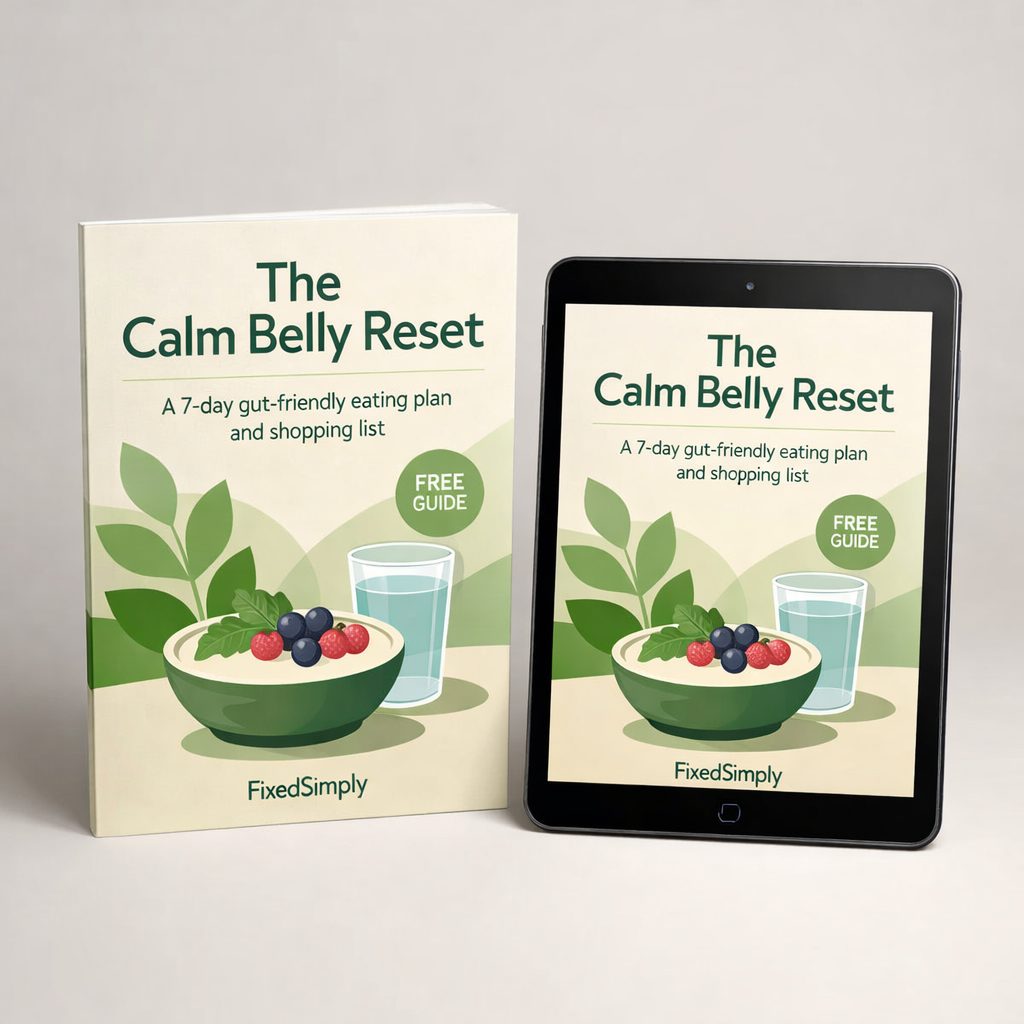
The Calm Belly Reset
A happier gut in 7 days. Inside you get:
- A 7-day gut-friendly meal plan
- A ready-to-print shopping list
- Easy habits that ease bloating
100% free. No spam, unsubscribe anytime. Privacy policy.
Steps that actually work
1. Prioritize protein
Protein keeps you full and helps protect muscle while you lose fat. Include a palm-sized portion at every meal: eggs, fish, chicken, beans, lentils, Greek yogurt or tofu.
- Try to include protein at breakfast, not just lunch and dinner.
- Mix up your sources to cover a range of nutrients.
- Use Greek yogurt or cottage cheese as snacks.
Protein also has a higher thermic effect, meaning your body uses more energy to digest it compared to fats or carbs.
2. Lift something
Strength training two or three times a week is the best way to hold on to and rebuild muscle. Body-weight exercises, bands or light dumbbells at home all count.
- Focus on major muscle groups: squats, lunges, push-ups, rows, and presses.
- Start with two sessions per week, working up to three as you get stronger.
- Allow at least one day of rest between sessions for recovery.
Building muscle not only helps burn more calories at rest, it also improves balance, bone health, and day-to-day strength.
3. Walk more, every day
Daily steps matter more than occasional intense workouts. Add a walk after meals, take the stairs and aim to gradually increase your daily step count.
- Set a realistic goal, such as 7,000 to 10,000 steps per day, depending on your starting point.
- Break up long periods of sitting with short walks or stretching.
- Use a pedometer or smartphone app to track your progress.
Regular walking helps reduce visceral fat, supports heart health, and is easier to stick with long-term than many structured exercise programs.
4. Cut liquid calories and ultra-processed snacks
Sugary drinks, juice, sweet coffees and alcohol add a lot of calories without filling you up. Swapping them out is often the easiest win.
- Replace soda and juice with water, seltzer, or unsweetened tea.
- Limit alcohol to special occasions, and be mindful of portion sizes.
- Read labels on flavored coffees and energy drinks for hidden sugars.
- Swap chips and cookies for fruit, nuts, or yogurt when you want a snack.
Ultra-processed foods often contain added sugars, unhealthy fats, and little fiber, making it easy to overeat without feeling satisfied.
5. Feed your gut
Fiber from vegetables, fruit, beans, oats and whole grains feeds the helpful bacteria in your gut and keeps you fuller for longer. Fermented foods such as yogurt, kefir, sauerkraut and kimchi add variety. Research on the gut microbiome and weight is still young, but a high-fiber diet is consistently linked with better weight control.
- Aim for at least 25 grams of fiber per day.
- Gradually increase fiber to avoid digestive discomfort.
- Try adding beans or lentils to soups, salads, or casseroles.
- Include a variety of colors and types of produce for a diverse gut microbiome.
6. Protect your sleep
Seven to eight hours makes it noticeably easier to manage hunger and cravings the next day.
- Stick to a regular bedtime and wake-up time, even on weekends.
- Avoid screens and caffeine in the hour before bed.
- Keep your bedroom cool, dark, and quiet.
Poor sleep disrupts hormones that control hunger and fullness, making it much harder to resist cravings and manage weight.
7. Be patient
Losing around 0.5 to 1 lb a week is realistic and more likely to last. Even a 5% to 10% loss brings real health benefits.
- Track progress with how your clothes fit and how you feel, not just the scale.
- Celebrate small wins, such as increased energy or better sleep.
- Remember that plateaus are normal; stay consistent and adjust as needed.
Checklist: Are you covering the basics?
- Eating protein at every meal
- Strength training 2-3 times per week
- Walking most days (aiming for 7,000+ steps)
- Limiting sugary drinks and processed snacks
- Eating plenty of fiber from plants and whole grains
- Prioritizing 7-8 hours of sleep nightly
- Managing stress with relaxation, hobbies, or support
What about weight loss supplements and drinks?
There are countless pills, powders, drops and coffee add-ins sold for weight loss. Common ingredients include green tea extract, caffeine, chromium, probiotics, fiber such as glucomannan, apple cider vinegar and various plant extracts. Independent reviews have found that most produce small effects at best, and none can replace changes to diet and activity. Some products have also been found to contain hidden or unsafe ingredients, so buy only from the official source.
Some readers still use a supplement as a motivational extra alongside healthy habits, often because it comes with a money-back guarantee. If you do:
- Check with your doctor or pharmacist, especially if you have high blood pressure, heart problems or take regular medication; stimulant ingredients can raise heart rate.
- Be wary of any product that promises fast results “without diet or exercise”.
- Read the refund terms before buying.
Popular options readers ask about include Metabo Drops, Liv Pure, Ikaria Lean Belly Juice and Java Burn. These are dietary supplements whose claims have not been evaluated by the FDA.
Remember, no supplement can make up for a poor diet, lack of movement, or insufficient sleep. Use them only as an optional extra, and never as a replacement for proven lifestyle changes.
Frequently asked questions
Why does belly fat become more stubborn after 40?
Hormonal changes, such as menopause in women and lower testosterone in men, cause your body to store more fat around the middle. At the same time, natural muscle loss slows your metabolism, and typical lifestyle changes (like less movement and disrupted sleep) make it easier to gain weight and harder to lose it.
Can you lose belly fat without exercise?
It is possible to lose some belly fat by improving your diet and cutting calories, but exercise, especially strength training, helps preserve muscle, keeps metabolism higher, and improves your chances of keeping weight off. Daily movement, even if it is just walking, is very important for long-term success and health.
Is there a best diet for losing belly fat after 40?
No single diet works for everyone, but research supports a balanced approach: plenty of protein, high-fiber foods, fewer processed snacks, and fewer sugary drinks. Mediterranean, DASH, and plant-forward diets are all good options. The best diet is one you can stick with for the long term.
How long does it take to see results?
Most people see noticeable changes in how their clothes fit and how they feel after 4 to 8 weeks of consistent healthy habits. Weight loss of 0.5 to 1 pound per week is typical and more likely to last. Remember, small changes add up over time.
Are weight loss supplements safe?
Some supplements are generally considered safe for healthy adults, but others may contain unlisted or unsafe ingredients. Always check with your doctor or pharmacist before trying a new supplement, especially if you have health conditions or take medication. Avoid any product that promises rapid results with no lifestyle changes.
What should I do if my weight gain is sudden or unexplained?
See your doctor promptly if you gain weight quickly without changing your eating or activity habits, or if you notice other symptoms like fatigue, swelling, or mood changes. These can be signs of medical issues such as thyroid disorders or medication side effects.
The bottom line
Belly fat after 40 responds to the basics done consistently: more protein, strength training, daily walking, fewer liquid calories, plenty of fiber and good sleep. Get a check-up if weight gain is sudden. Treat supplements as an optional extra, not the plan.
Want this as a handy printable?
The Calm Belly Reset
A happier gut in 7 days. Inside you get:
- A 7-day gut-friendly meal plan
- A ready-to-print shopping list
- Easy habits that ease bloating
100% free. No spam, unsubscribe anytime. Privacy policy.
Disclosure: links marked as sponsored are affiliate links. If you buy through them we may earn a commission at no extra cost to you. This article is for information only and is not medical advice.
Sources and further reading
This guide is for general information only and is not a substitute for professional advice. See our editorial policy.
Products mentioned in this guide
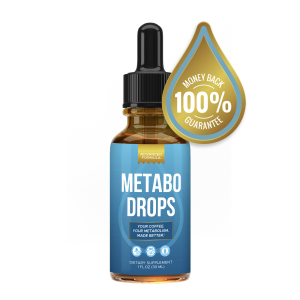 Metabo DropsSee official siteLiv PureLiv PureSee official site
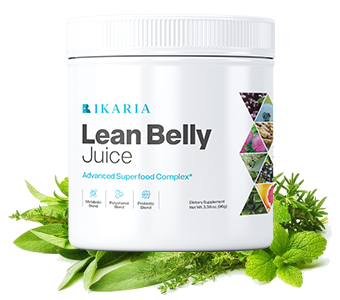 Ikaria Lean Belly JuiceSee official site
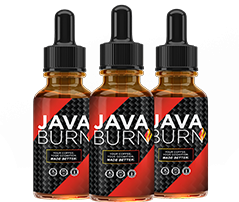 Java BurnSee official site
Affiliate links. Results vary. This is not medical advice.
1 thought on “Stubborn Belly Fat After 40? A Plain-English Guide to What Actually Works”
Comments are closed.