
Bad breath, also known as halitosis, is a common concern that can cause embarrassment and worry. Despite brushing regularly, many people still notice unpleasant breath from time to time. The good news is that most causes of bad breath are straightforward and manageable with the right habits and a bit of know-how. Understanding what leads to bad breath can help you tackle the problem confidently and avoid common mistakes.
- Key takeaways:
- Most bad breath comes from the mouth itself, not deeper health issues.
- Daily brushing, flossing, and tongue cleaning are essential for prevention.
- Dry mouth, gum disease, and certain foods or habits can worsen breath.
- Medical conditions are a less common cause but should not be ignored if other symptoms appear.
- A dental checkup is important if breath remains bad despite good oral hygiene.
1. Bacteria on the tongue
The surface of your tongue, especially the back, is covered in tiny grooves and papillae that can trap food particles, dead cells, and bacteria. These bacteria break down proteins and release volatile sulfur compounds (VSCs), which are responsible for much of the unpleasant smell associated with bad breath. Even if you brush your teeth well, neglecting your tongue allows this bacterial layer to build up.
A daily tongue scraping routine can make a noticeable difference. Use a tongue scraper or the back of a toothbrush to gently clean the surface of your tongue every morning, reaching as far back as is comfortable. This simple step removes odor-causing debris and bacteria that brushing alone often misses.
2. Food stuck between teeth
Brushing cleans the surfaces of your teeth, but it often misses the spaces between them. Tiny bits of food can become trapped in these gaps, especially if your teeth are close together or you have dental work like crowns or bridges. Over time, bacteria break down these food particles, producing foul-smelling gases.
Floss or use interdental brushes once a day to remove debris from between your teeth. If you have trouble with traditional floss, try floss picks or water flossers. Regular cleaning between teeth is crucial for both fresh breath and gum health.

3. Gum disease
Gum disease (gingivitis or periodontitis) is very common, especially as we age. It starts when plaque, a sticky film of bacteria, builds up along the gumline. These bacteria can cause your gums to become inflamed, bleed, or recede. As gum disease progresses, pockets form between the teeth and gums, trapping even more bacteria and debris.
The bacteria involved in gum disease produce strong-smelling compounds and are a leading cause of persistent bad breath. Early gum disease is treatable and sometimes reversible with improved oral hygiene and regular dental cleanings. Advanced gum disease may require professional treatment.
Common signs of gum disease:
- Bleeding when brushing or flossing
- Red, swollen, or tender gums
- Gums pulling away from teeth
- Loose teeth or changes in bite
4. Dry mouth
Saliva plays a crucial role in keeping your mouth clean. It helps wash away food particles, neutralizes acids, and keeps bacteria under control. When your mouth is dry, these protective effects are reduced and odor-causing bacteria can flourish. Dry mouth (xerostomia) is a common cause of morning breath and can also occur:
- After sleeping (especially if you breathe through your mouth)
- After drinking coffee or alcohol
- As a side effect of many common medications (antihistamines, antidepressants, blood pressure medicines, etc.)
- With certain medical conditions or treatments (such as diabetes or radiation therapy)
To help combat dry mouth, sip water regularly, chew sugar-free gum to stimulate saliva, and avoid tobacco and excessive caffeine or alcohol. If dry mouth persists, discuss it with your dentist or doctor, as it can increase the risk of tooth decay and gum disease.
5. Strong foods and drinks
Some foods and drinks are notorious for causing bad breath. Garlic, onions, certain spices, coffee, and alcohol contain compounds that are absorbed into the bloodstream, carried to the lungs, and exhaled for hours after eating. Brushing or rinsing may help, but the odor can linger until the body processes and eliminates these substances.
To minimize breath odors from food and drink:
- Drink water with meals to help rinse your mouth
- Chew sugar-free gum or eat fresh parsley afterward
- Limit intake of particularly pungent foods before important events
6. Smoking and vaping
Tobacco products leave a distinctive odor in the mouth and lungs. Smoking also dries out the mouth, reduces the sense of taste and smell, and significantly increases the risk of gum disease, which in turn contributes to bad breath. Vaping, while sometimes marketed as a cleaner alternative, can also dry the mouth and introduce chemicals that affect breath.
Quitting smoking or vaping is one of the best things you can do for your breath, oral health, and overall health. If you need help quitting, speak to your healthcare provider for support and resources.
7. Low-carb or fasting diets
When you follow a low-carbohydrate diet (such as keto) or fast for extended periods, your body burns fat for energy. This process produces chemicals called ketones, some of which are released in your breath and can give it a fruity or acetone-like smell. This type of breath odor is not harmful, but it can be noticeable to others.
Staying hydrated and maintaining good oral hygiene can help minimize this effect, but as long as you remain in ketosis, some odor may persist.
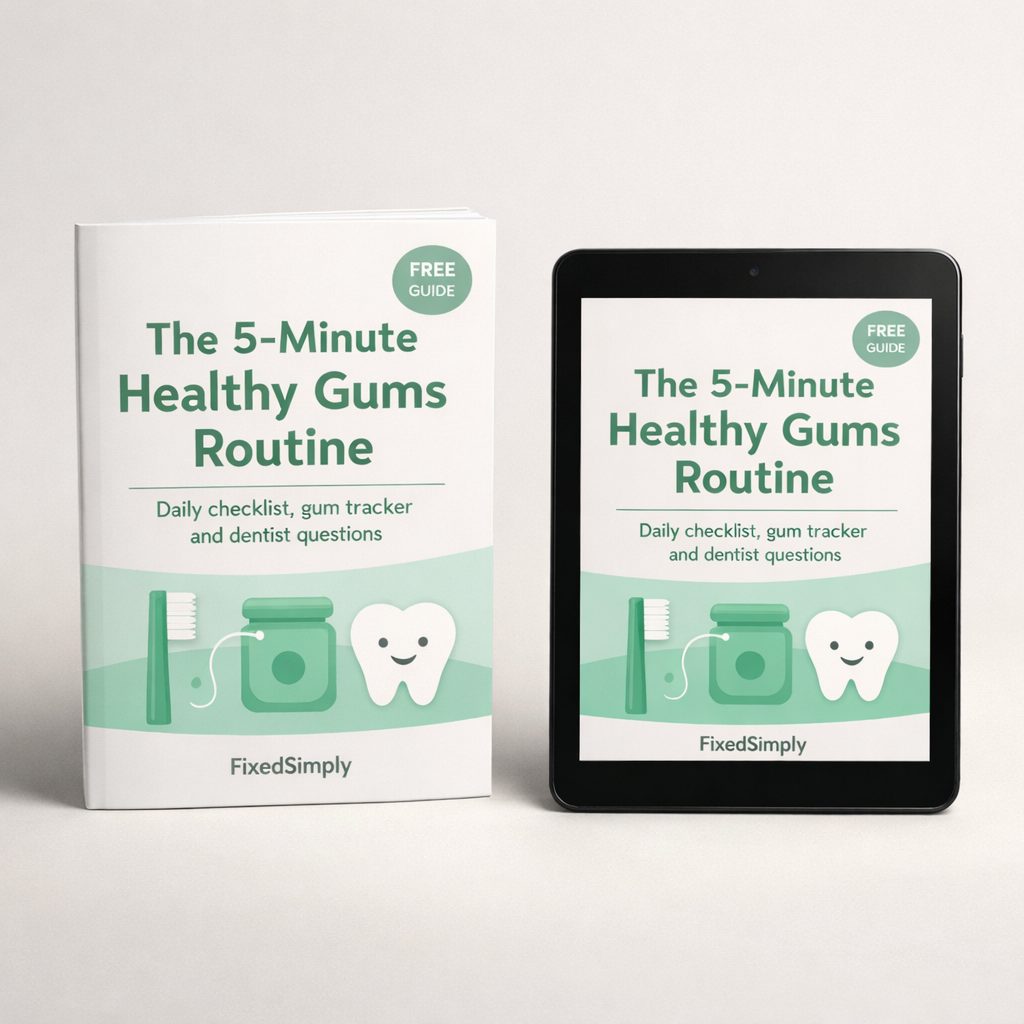
The 5-Minute Healthy Gums Routine
Fresher breath, healthier gums. Inside you get:
- A simple morning and night routine you can stick to
- A 30-day bleeding gums tracker
- What to ask at your next dental visit
100% free. No spam, unsubscribe anytime. Privacy policy.
8. Sinus, throat and tonsil problems
Not all bad breath starts in the mouth. Post-nasal drip, sinus infections, and throat or tonsil problems can also contribute. Mucus from sinus or respiratory infections can coat the back of the tongue and throat, providing a food source for bacteria. Tonsil stones (small, whitish lumps that form in the crevices of the tonsils) are another common source of bad breath, especially in adults with chronic sore throats or large tonsils.
If you have frequent sinus infections, allergies, or notice small white lumps in your throat, addressing these underlying issues may help improve your breath.
9. Medical conditions
While most cases of bad breath are caused by oral or sinus issues, sometimes an underlying medical condition is to blame. Acid reflux (GERD) can bring stomach acids up into the mouth, causing a sour or bitter odor. Poorly controlled diabetes can lead to a fruity-smelling breath due to high ketone levels. In rare cases, kidney or liver disease can cause a persistent, unusual breath odor. These conditions usually come with other symptoms, such as unexplained weight loss, fatigue, or changes in urination.
If you suspect a medical issue, or if bad breath is accompanied by other symptoms, see a healthcare provider for evaluation.
How to tell if you have bad breath
It is surprisingly difficult to smell your own breath because your nose gets used to your personal scent. Here are a few practical ways to check:
- Lick the inside of your wrist, let it dry for a few seconds, then smell it. This method can reveal odors from your tongue.
- Use a clean spoon to gently scrape the back of your tongue, then smell the spoon.
- Ask a trusted friend or family member for honest feedback.
- Use disposable breath testers or ask your dentist during a checkup.
Simple fixes that work
- Brush twice a day for two minutes with fluoride toothpaste, making sure to reach all tooth surfaces.
- Floss or use interdental brushes daily to remove debris between teeth.
- Clean your tongue every morning using a scraper or the back of your toothbrush.
- Drink water regularly and chew sugar-free gum after meals to stimulate saliva and wash away food particles.
- Replace your toothbrush every three months or sooner if the bristles are frayed.
- Get a dental checkup and cleaning every six to twelve months, or as recommended by your dentist.
Consistency is key. Skipping even a day or two of thorough cleaning can allow bacteria and odors to return.
Checklist: Are you covering all the bases?
- Brushing and flossing daily
- Cleaning your tongue
- Drinking plenty of water
- Managing dry mouth (if present)
- Avoiding tobacco and limiting pungent foods
- Regular dental checkups
- Addressing any sinus or throat issues
Review this list if you notice your breath worsening, and see which habits might need more attention.
When to see a dentist or doctor
See a dentist if bad breath continues despite good cleaning, or if you have bleeding gums, loose teeth or tooth pain. See a doctor if bad breath comes with heartburn, a persistent sore throat, sinus pain, excessive thirst or unexplained weight loss.
Persistent bad breath can be a sign of an underlying dental or medical problem. Early evaluation can help prevent complications and lead to more effective treatment.
Do oral probiotics help?
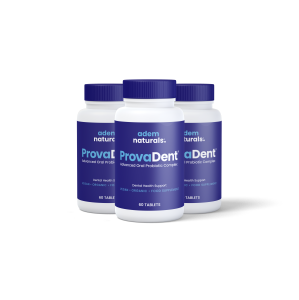
Some people add an oral probiotic to support a healthy balance of mouth bacteria. Evidence is still limited, but some readers find it a useful extra. Options readers ask about include ProDentim and ProvaDent. Check the refund terms before buying.

For gum-related breath problems, see our guide to bleeding gums and bad breath.
Frequently asked questions
Why does my breath still smell even after brushing?
Brushing alone often misses bacteria on the tongue and food particles between teeth. If you do not clean your tongue and floss daily, odor can linger. Other causes include dry mouth, gum disease or certain foods and drinks.
Can mouthwash cure bad breath?
Mouthwash can temporarily mask odors and reduce bacteria, but it is not a cure. Alcohol-based mouthwashes can dry the mouth and sometimes make things worse. Use mouthwash as a supplement, not a substitute, for brushing, flossing and tongue cleaning.
How do I get rid of bad breath fast?
Drink water, chew sugar-free gum, and clean your mouth (brush, floss and scrape your tongue). For a quick fix, chewing parsley or rinsing with water can help, but long-term improvement requires daily oral care.
Can certain medications cause bad breath?
Yes, many medications cause dry mouth as a side effect, which increases the risk of bad breath. Common culprits include antihistamines, antidepressants, blood pressure medicines and some painkillers. Talk to your doctor if dry mouth is a problem.
Is bad breath always a sign of poor hygiene?
No. While poor oral hygiene is the most common cause, bad breath can also result from dry mouth, certain diets, sinus or throat problems, and some medical conditions. Even people with excellent hygiene can have bad breath if these other factors are present.
How can I prevent morning breath?
Clean your teeth and tongue thoroughly before bed, drink a glass of water, and avoid alcohol or tobacco in the evening. If you sleep with your mouth open or have allergies, managing those issues can also help reduce morning breath.
The bottom line
Most bad breath comes from the mouth itself: tongue coating, trapped food, gum disease or a dry mouth. A thorough daily routine fixes most cases. If it persists, a dentist can find the cause.
Want this as a handy printable?
The 5-Minute Healthy Gums Routine
Fresher breath, healthier gums. Inside you get:
- A simple morning and night routine you can stick to
- A 30-day bleeding gums tracker
- What to ask at your next dental visit
100% free. No spam, unsubscribe anytime. Privacy policy.
Disclosure: links marked as sponsored are affiliate links. If you buy through them we may earn a commission at no extra cost to you. This article is for information only and is not medical advice.
Sources and further reading
This guide is for general information only and is not a substitute for professional advice. See our editorial policy.
Products mentioned in this guide
Affiliate links. Results vary. This is not medical advice.
1 thought on “What Causes Bad Breath? 9 Common Reasons (Even If You Brush)”
Comments are closed.