“Sleep hygiene” simply means the daily habits and surroundings that make good sleep more likely. On their own they rarely cure long-term insomnia, but they are the foundation everything else builds on. Use this sleep hygiene checklist to see where you can improve.
- Key takeaways:
- Consistent routines and a healthy sleep environment make falling and staying asleep easier.
- Morning light, a regular wake-up time, and limiting caffeine are among the most important steps.
- Good sleep hygiene supports, but does not replace, medical care for insomnia or other sleep disorders.
- Simple changes can add up to big improvements, even if you have struggled with sleep for years.
- See a doctor if sleep problems persist despite good habits, or if you have symptoms like loud snoring or daytime exhaustion.
Your schedule
- Wake up at the same time every day, including weekends. This matters even more than bedtime.
- Go to bed when sleepy, not just because it is a certain time.
- Get daylight within an hour of waking, ideally 10 to 30 minutes outdoors.
- Keep naps short (20 to 30 minutes) and before mid-afternoon, or skip them if you struggle at night.
Our bodies run on a 24-hour cycle called the circadian rhythm, which is influenced by light and regular habits. Waking up at the same time daily helps anchor this rhythm, making it easier to fall asleep and wake up naturally. Even on weekends, sticking to your routine helps prevent the “social jet lag” that can throw off your sleep for days.
Going to bed only when you feel sleepy, not just when the clock says so, helps avoid tossing and turning. Lying in bed awake can train your brain to associate the bed with wakefulness, making insomnia worse.
Morning light is a powerful signal to your body clock that the day has begun. Sunlight is best, but even a bright window can help.
Napping can be helpful for some, but long or late naps can make it harder to fall asleep at night. If you find naps disrupt your sleep, try skipping them or keeping them very short and early in the day.
Food, drink and activity
- Stop caffeine by early afternoon. It can stay in your system for six hours or more.
- Limit alcohol, which breaks up sleep in the second half of the night.
- Finish big meals two to three hours before bed. A light snack is fine if you are hungry.
- Cut back on drinks in the evening to avoid night-time bathroom trips.
- Exercise most days, ideally earlier in the day.
Caffeine is a stimulant that can linger in your body for hours, blocking the chemical (adenosine) that helps you feel sleepy. Even if you do not feel wired, caffeine can reduce deep sleep. Switch to decaf or herbal tea after lunch.
Alcohol may make you feel drowsy at first, but it disrupts the deeper stages of sleep and leads to more awakenings later in the night. Try to keep alcohol moderate and avoid it close to bedtime.
A heavy meal late in the evening can cause discomfort and indigestion, making it harder to fall asleep. Aim to finish dinner two to three hours before bed. If you are hungry later, a small snack such as a banana or a handful of nuts is fine.
Drinking lots of fluids in the evening increases the chance of waking up to use the bathroom. Try to taper off drinks after dinner.
Regular physical activity improves sleep quality, but intense exercise right before bed can be too stimulating for some people. Aim for at least 30 minutes of moderate activity most days, preferably earlier in the day.

Your bedroom
- Keep it cool, around 65 to 68°F (18 to 20°C).
- Keep it dark with blackout curtains or an eye mask.
- Keep it quiet, or use earplugs or steady white noise.
- Reserve the bed for sleep and intimacy, not work, scrolling or TV.
The ideal sleep environment is cool, dark and quiet. A temperature of 65 to 68°F helps your body naturally cool down, which signals it is time for sleep. If your bedroom is too warm or cold, you may wake up more often during the night.
Light, especially blue light from screens or streetlights, can suppress melatonin, the hormone that helps you fall asleep. Blackout curtains, shades or an eye mask can make a big difference, especially if you live in a city or work nights.
Noise can fragment your sleep, even if you do not fully wake up. If you cannot control outside noise, try earplugs, a white noise machine or a fan to create a steady, soothing sound.
Using your bed only for sleep and intimacy helps build a strong mental association between your bed and restful sleep. Watching TV, working or scrolling on your phone in bed can make it harder to wind down.
Your wind-down
- Dim lights and put screens away an hour before bed. If you must use a device, turn the brightness down.
- Build a calming routine: a warm shower, reading a paper book, gentle stretches, breathing exercises or writing tomorrow’s to-do list to empty your head.
Bright lights and screens in the hour before bed can trick your brain into thinking it is still daytime. Dim the lights and avoid screens if possible. If you need to use a device, lower the brightness and consider “night mode” settings to reduce blue light.
A calming routine helps signal to your brain that it is time to wind down. Gentle activities like a warm shower, light stretching, deep breathing or jotting down tomorrow’s tasks can reduce anxiety and help you transition to sleep.
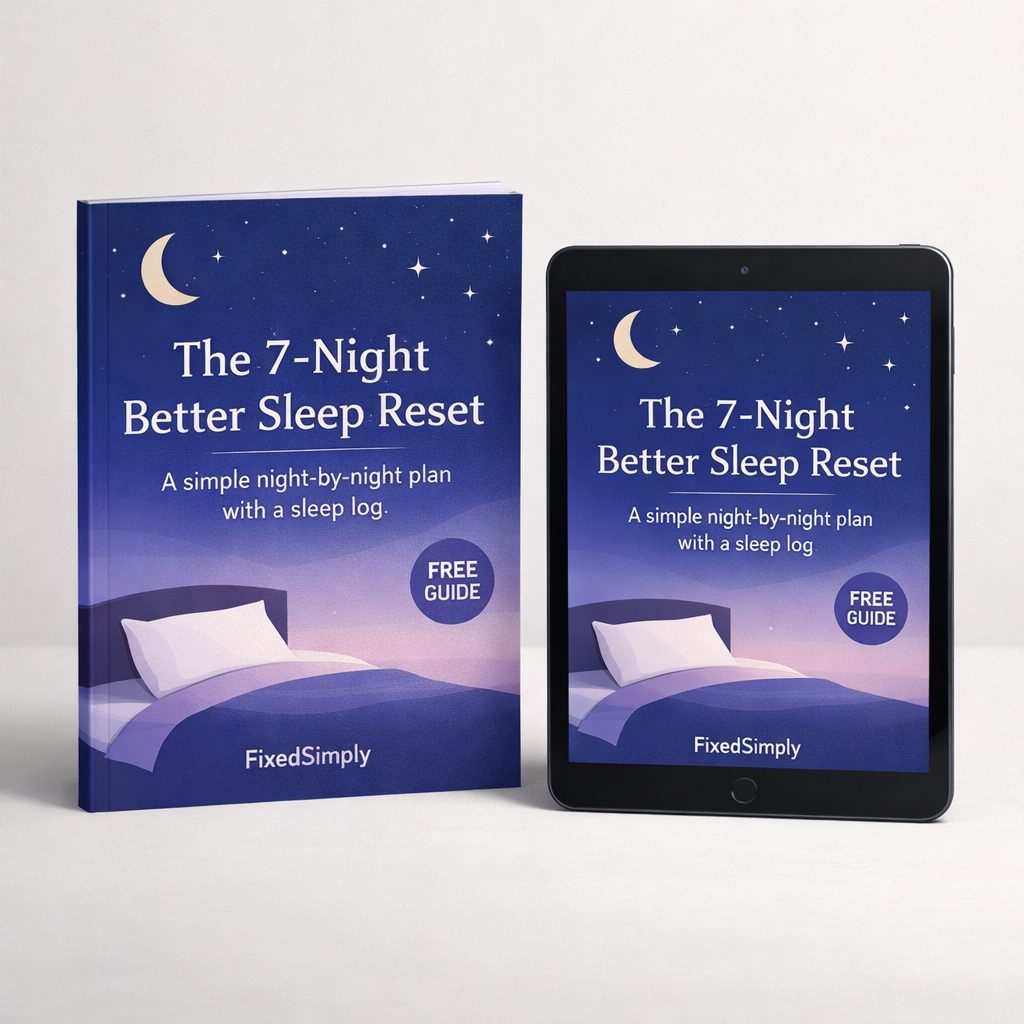
The 7-Night Better Sleep Reset
Fall asleep faster, wake up fresher. Inside you get:
- A simple night-by-night plan for one week
- A wind-down routine you can start tonight
- A printable sleep log to spot patterns
100% free. No spam, unsubscribe anytime. Privacy policy.
Bonus tips
- Turn the clock away from you so you are not checking the time.
- If you are awake for around 20 minutes, get up and do something calm in dim light until you feel sleepy.
- Keep pets off the bed if they wake you.
Clock-watching can increase anxiety and make it even harder to fall asleep. If you find yourself awake for more than 20 minutes, get up and do something relaxing in another room until you feel sleepy. Avoid bright lights and stimulating activities. If pets disturb your sleep by moving around or making noise, consider giving them their own bed outside your room.
Sleep hygiene checklist
- Wake up at the same time every day
- Go to bed when sleepy
- Get morning sunlight
- Keep naps short and early
- Stop caffeine by early afternoon
- Limit alcohol, especially late
- Finish big meals 2-3 hours before bed
- Limit evening drinks
- Exercise most days, earlier is better
- Keep your bedroom cool, dark and quiet
- Reserve your bed for sleep and intimacy
- Dim lights and avoid screens before bed
- Follow a relaxing bedtime routine
- Avoid clock-watching at night
- Get up if you cannot sleep after 20 minutes
- Keep pets out of bed if they disturb you
Common mistakes to avoid
- Sleeping in late on weekends, which disrupts your body clock
- Using your phone or watching TV in bed
- Drinking caffeine or alcohol too close to bedtime
- Trying to force sleep when you are not sleepy
- Ignoring persistent sleep problems that could signal a medical issue
When good habits are not enough
If you follow the checklist for a few weeks and still sleep poorly, ask your doctor about CBT-I (cognitive behavioral therapy for insomnia), and about sleep apnea if you snore loudly or wake unrefreshed. Read our guide to insomnia symptoms to see whether that is what you are dealing with.
If you have symptoms such as loud snoring, gasping or choking during sleep, frequent awakenings, or daytime sleepiness, see your doctor. These can be signs of sleep apnea or another sleep disorder that needs medical evaluation. If you have trouble falling or staying asleep for more than a month, or if poor sleep is affecting your mood, memory or daily life, professional help is important.
What about sleep aids?
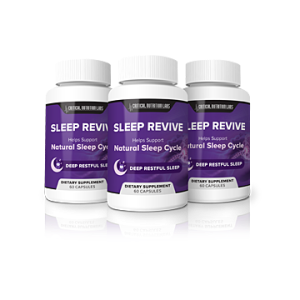
Low-dose melatonin can help with body-clock issues; evidence for other supplements is mixed. Some readers try a natural sleep formula as an extra. Sleep Revive is one readers ask about. Never mix sleep supplements with alcohol or prescription sleeping pills, and check with your pharmacist first.

See also: how to sleep through the night.
Frequently asked questions
How long does it take for sleep hygiene changes to work?
Most people notice some improvement within a few days to a week, but it can take several weeks of consistent habits to see the full benefits. Be patient and give your body time to adjust.
Can I catch up on sleep on weekends?
Sleeping in on weekends may help you feel better short-term, but it can disrupt your body clock and make it harder to fall asleep or wake up during the week. Aim for a consistent wake-up time every day for the best results.
Is it bad to use my phone or tablet before bed?
Yes, screens emit blue light that can suppress melatonin and delay sleep. Try to avoid screens for at least an hour before bed. If you must use a device, turn down the brightness and use a blue light filter or “night mode.”
What if I wake up in the middle of the night?
If you are awake for more than 20 minutes, get out of bed and do something calming in dim light until you feel sleepy. Avoid checking the clock, which can make it harder to fall back asleep.
Should I take naps if I am tired during the day?
Short naps (20 to 30 minutes) before mid-afternoon can be helpful if you are very tired, but long or late naps can make it harder to fall asleep at night. If you have trouble sleeping at night, try skipping naps altogether.
When should I see a doctor about sleep problems?
See your doctor if you have trouble falling or staying asleep for more than a month, if you snore loudly, wake up gasping, or feel excessively tired during the day. These could be signs of a sleep disorder that needs medical attention.
The bottom line
Pick two or three items from this checklist to start tonight, especially a fixed wake-up time, morning light and an earlier caffeine cut-off. Small, consistent changes add up to noticeably better sleep.
Want this as a handy printable?
The 7-Night Better Sleep Reset
Fall asleep faster, wake up fresher. Inside you get:
- A simple night-by-night plan for one week
- A wind-down routine you can start tonight
- A printable sleep log to spot patterns
100% free. No spam, unsubscribe anytime. Privacy policy.
Disclosure: links marked as sponsored are affiliate links. If you buy through them we may earn a commission at no extra cost to you. This article is for information only and is not medical advice.
Sources and further reading
This guide is for general information only and is not a substitute for professional advice. See our editorial policy.
Products mentioned in this guide
Affiliate links. Results vary. This is not medical advice.
2 thoughts on “Sleep Hygiene Checklist: 15 Habits for Better Sleep Tonight”
Comments are closed.