
You wake at 2 or 3 a.m. with a racing heart and a mind that will not switch off. Waking up in the middle of the night with anxiety is very common, and there are proven ways to calm it.
- Key takeaways:
- Night-time anxiety is common, especially in the early morning hours.
- Biological changes, stress, and certain habits can make it worse.
- Slow breathing, body relaxation, and not clock-watching help in the moment.
- Daytime routines and sleep hygiene can prevent night-time anxiety.
- See a doctor if symptoms persist or affect your daily life.
Why it happens
- We naturally wake briefly several times a night. If stress hormones are high, those brief wakings turn into full alertness.
- In the early hours, cortisol starts to rise, which can trigger worry.
- Alcohol, late caffeine, low blood sugar and reflux can all disturb the second half of the night.
- Lying awake worrying about sleep creates a cycle of more anxiety.
How your body and mind work at night
During normal sleep, your brain cycles through different stages, including light sleep, deep sleep, and REM (dream) sleep. It’s normal to have several brief awakenings each night, often without remembering them. However, when your body’s stress system is activated, these brief awakenings can turn into full wakefulness, making it hard to fall back asleep.
In the early morning, your body naturally increases production of cortisol, the “stress hormone,” to help you wake up. If you are already feeling anxious or stressed, this early-morning cortisol surge can trigger racing thoughts or a sense of dread.
Other factors can make you more likely to wake up anxious:
- Alcohol: It may help you fall asleep but disrupts sleep later, making anxiety worse.
- Caffeine: Even if you drink it in the afternoon, caffeine can linger and disturb your sleep cycle.
- Low blood sugar: Going to bed hungry or having unstable blood sugar can lead to night-time awakenings and anxiety symptoms.
- Reflux: Acid reflux can wake you up with discomfort, which your brain may interpret as anxiety.
- Worry about sleep: Lying awake and stressing about not sleeping often leads to a vicious cycle of more anxiety and less sleep.
Common triggers for middle-of-the-night anxiety
- Major life stress: Grief, work stress, or family worries can keep your mind active even during sleep.
- Chronic pain or health issues: Discomfort can lead to frequent awakenings and worry.
- Hormonal changes: Menopause, thyroid issues, or other hormonal shifts can make night-time anxiety more common.
- Medications: Some medicines, especially steroids or stimulants, can disrupt sleep and increase anxiety.
What to do in the moment
- Do not check the time. Clock-watching adds pressure.
- Slow your breathing: breathe in for 4 counts, out for 6 to 8 counts, for a few minutes. A longer out-breath calms the nervous system.
- Relax your body from toes to head, tensing and releasing each muscle group.
- Park the worry: keep a notepad by the bed and jot it down to deal with tomorrow.
- Get up after about 20 minutes if you are still wide awake. Sit in dim light with something calm, and return to bed when sleepy.
Step-by-step guide to calming night-time anxiety
- Stay in bed at first: Try calming techniques before getting up.
- Focus on your breath: Slow, controlled breathing helps signal your body that it’s safe to relax.
- Progressive muscle relaxation: Start at your toes, tense each muscle group for a few seconds, then release. Move slowly up your body.
- Write down worries: If your mind is racing, jotting down thoughts can help “park” them until morning.
- If awake for 20 minutes or more: Leave the bedroom and do something quiet (like reading or listening to calm music) in low light. Return to bed when you feel sleepy again.
What NOT to do
- Avoid screens: Phones, tablets, and TVs emit blue light that tells your brain to wake up.
- Don’t try to force sleep: The more you pressure yourself, the harder it is to drift off.
- Don’t drink alcohol or eat heavy snacks: These can worsen sleep and anxiety.

Daytime habits that help
- Regular exercise, ideally outdoors in daylight
- Caffeine only before early afternoon; limit alcohol
- A “worry window” in the early evening to plan and write down concerns
- A consistent wake-up time and wind-down routine; see our sleep hygiene checklist
Why daytime routines matter
What you do during the day has a big impact on your sleep at night. Regular exercise, especially in natural light, helps regulate your internal clock and reduce stress hormones. Limiting caffeine and alcohol prevents them from interfering with your sleep cycle.
Setting aside a “worry window” in the early evening gives your mind a chance to process concerns before bedtime, so you are less likely to ruminate at night. A steady wake-up time and a relaxing bedtime routine signal to your body that it’s time to wind down.
Checklist: Healthy sleep habits to reduce night-time anxiety
- Get at least 20-30 minutes of daylight exposure every day.
- Exercise regularly, but avoid vigorous activity within 2 hours of bedtime.
- Limit caffeine to before noon or early afternoon.
- Avoid alcohol, especially close to bedtime.
- Eat a light, balanced snack if you tend to wake up hungry at night.
- Set a consistent sleep and wake schedule, even on weekends.
- Establish a relaxing wind-down routine (reading, gentle stretches, warm bath).
- Keep your bedroom cool, dark, and quiet.
- Use your bed only for sleep and intimacy, not for work or watching TV.
- Try a “worry window” in the early evening to write down any concerns.
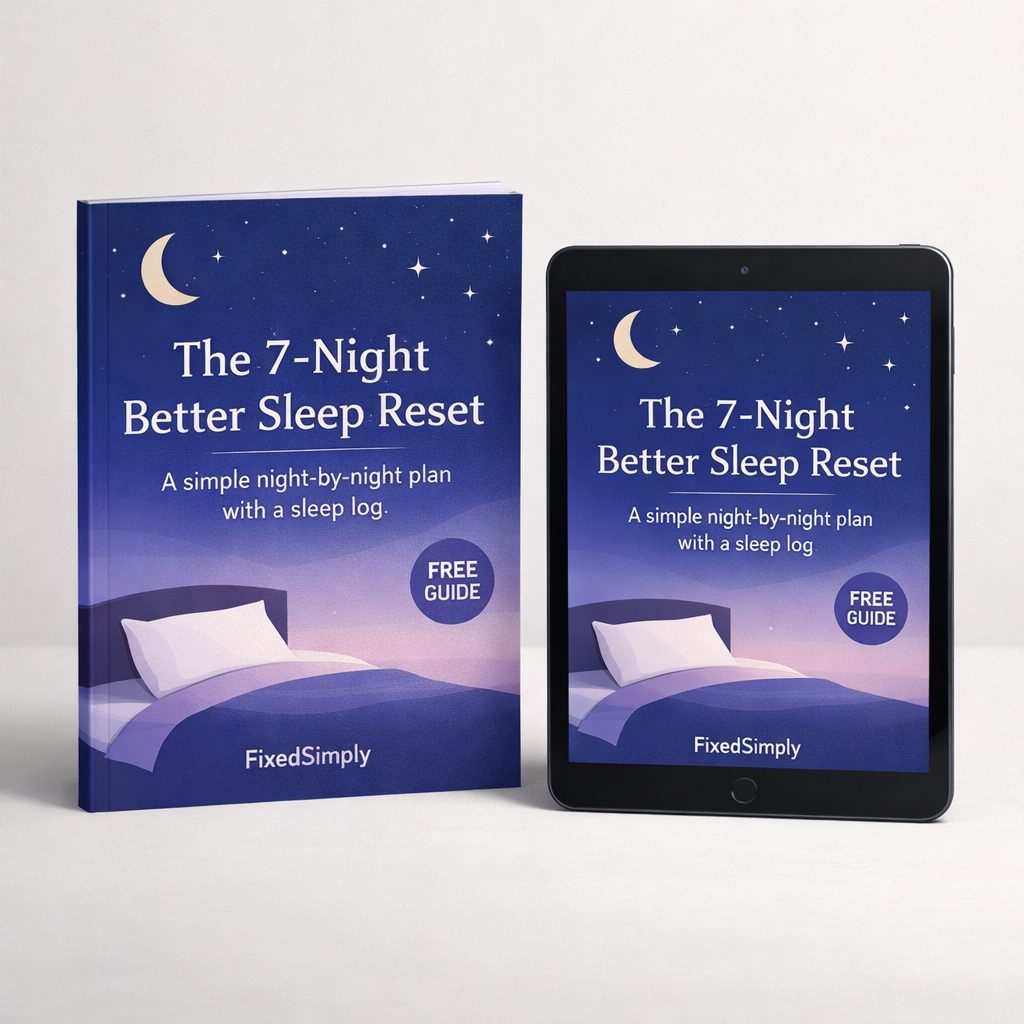
The 7-Night Better Sleep Reset
Fall asleep faster, wake up fresher. Inside you get:
- A simple night-by-night plan for one week
- A wind-down routine you can start tonight
- A printable sleep log to spot patterns
100% free. No spam, unsubscribe anytime. Privacy policy.
When to get support
See your doctor if night-time anxiety happens most nights for more than a few weeks, affects your days, or comes with panic attacks, low mood or thoughts of harming yourself. CBT for insomnia and anxiety is very effective. Also mention snoring or gasping, which could be sleep apnea. See insomnia symptoms.
Red flags: When to seek help right away
- You have thoughts of harming yourself or others.
- You experience chest pain, trouble breathing, or other signs of a medical emergency.
- You notice frequent snoring, gasping, or pauses in breathing at night (possible sleep apnea).
- Your anxiety or insomnia is causing significant distress or affecting your ability to function during the day.
These symptoms may signal a more serious issue that needs prompt professional attention. Cognitive behavioral therapy (CBT) is highly effective for both anxiety and insomnia, and your doctor can help you find the right support.
Natural aids
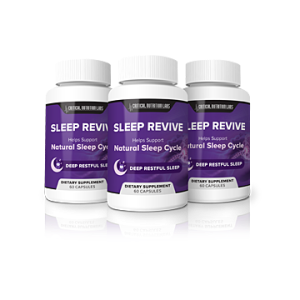
Some people find magnesium or calming herbal formulas helpful as an extra; see when to take magnesium for sleep. Readers also ask about Sleep Revive. Check with your pharmacist first.
What to know about natural remedies
- Magnesium: This mineral is involved in relaxation and sleep regulation. Some people find it helpful, but talk to your pharmacist or doctor before starting a supplement, especially if you have kidney issues or take medications.
- Herbal options: Herbal teas or supplements (like chamomile or valerian) are popular, but their effectiveness varies and they may interact with medications. Always check with your healthcare provider first.
- Over-the-counter sleep aids: These may help short-term, but can cause grogginess or dependence if used regularly. They do not address the root causes of anxiety and insomnia.
Common mistakes to avoid
- Checking your phone or clock: This increases alertness and anxiety.
- Ruminating in bed: Lying awake and worrying makes it harder to sleep.
- Using alcohol to fall asleep: Alcohol disrupts sleep later in the night and can worsen anxiety.
- Ignoring persistent symptoms: If anxiety or insomnia continues for weeks, seek help rather than toughing it out.
- Skipping daytime routines: Inconsistent habits can make night-time anxiety worse.
Frequently asked questions
Why do I wake up anxious in the middle of the night?
It is common to wake briefly during the night, but stress, high cortisol in the early morning, and certain habits (like late caffeine or alcohol) can turn these moments into full awakenings with anxiety. Worrying about sleep itself can also create a cycle of anxiety at night.
How can I calm my mind quickly when I wake up anxious?
Focus on slow, deep breathing, and try progressive muscle relaxation. Do not check the clock. If your mind is racing, write down your worries on a notepad. If you cannot sleep after 20 minutes, get up and do something calming in dim light until you feel sleepy again.
Does what I eat or drink affect night-time anxiety?
Yes. Caffeine or alcohol close to bedtime can increase your risk of waking up anxious. Going to bed hungry or with low blood sugar may also cause awakenings. Try to eat a balanced dinner and limit caffeine and alcohol in the afternoon and evening.
When should I see a doctor about night-time anxiety?
See your doctor if night-time anxiety lasts more than a few weeks, happens most nights, affects your daily life, or comes with panic attacks, depression, or thoughts of self-harm. Also seek help if you snore loudly, gasp for air, or have symptoms of sleep apnea.
Are natural remedies like magnesium or herbal teas safe?
Some people find magnesium or herbal teas helpful, but these are not a substitute for medical care. Talk to your pharmacist or doctor before starting any supplement, especially if you take other medications or have health conditions.
What is the most effective treatment for persistent night-time anxiety?
Cognitive behavioral therapy (CBT) is the most effective long-term treatment for chronic insomnia and anxiety. It helps change patterns of thought and behavior that keep you awake. Your doctor can refer you to a qualified therapist or recommend resources.
The bottom line
Night-time anxiety is common and treatable. Slow breathing, getting out of bed when wide awake, and daytime habits like exercise and a worry window help many people. Persistent cases respond well to CBT.
Want this as a handy printable?
The 7-Night Better Sleep Reset
Fall asleep faster, wake up fresher. Inside you get:
- A simple night-by-night plan for one week
- A wind-down routine you can start tonight
- A printable sleep log to spot patterns
100% free. No spam, unsubscribe anytime. Privacy policy.
Disclosure: links marked as sponsored are affiliate links. If you buy through them we may earn a commission at no extra cost to you. This article is for information only and is not medical advice.
Sources and further reading
This guide is for general information only and is not a substitute for professional advice. See our editorial policy.
Products mentioned in this guide
Affiliate links. Results vary. This is not medical advice.