
Lying awake at 3 a.m., mind racing, watching the clock. Or falling asleep fine but waking every couple of hours. Poor sleep is one of the most common complaints adults bring to their doctors, and it tends to get more common after 50.
The good news: the most effective fixes are free, and you can start tonight.
- Key takeaways:
- Sleep often changes with age due to lighter sleep, hormone shifts, and health issues.
- Consistent wake-up times and morning daylight are simple, powerful ways to improve sleep.
- CBT-I is the best-proven therapy for chronic insomnia.
- Supplements like melatonin may help some, but should not replace healthy sleep habits.
- See a doctor if sleep problems persist, especially if you snore or feel exhausted during the day.
Why sleep changes with age
- We produce less melatonin, the hormone that signals night-time.
- Sleep becomes lighter, so noise, pain or a full bladder wake us more easily.
- Our body clock shifts earlier, so we feel sleepy in the evening and wake early.
- Health issues such as joint pain, reflux, prostate symptoms, hot flushes and some medications all interrupt sleep.
As we age, our sleep patterns naturally shift. The body produces less melatonin, which can make it harder to fall and stay asleep. Older adults also spend less time in deep, restorative sleep. This means that even small disturbances, like a partner moving, a pet jumping on the bed, or a need to use the bathroom, can wake you up more easily.
The body’s circadian rhythm, or internal clock, tends to shift earlier with age. Many people find themselves getting sleepy earlier in the evening and waking up earlier in the morning. Health conditions common in later life, such as arthritis, heartburn, enlarged prostate, and menopause symptoms, can also lead to frequent awakenings. Some prescription medications, including those for high blood pressure, depression, or allergies, may disrupt sleep as well.
Understanding these changes can help you be patient with yourself and focus on the habits and strategies that are most likely to help.
When to see a doctor
Talk to your doctor if poor sleep lasts more than a few weeks or affects your day. Ask specifically about sleep apnea if you snore loudly, someone has noticed you stop breathing or gasp in your sleep, or you wake unrefreshed and doze off during the day. Sleep apnea is common, under-diagnosed and linked to high blood pressure and heart problems, and it is very treatable. Also mention restless, crawling feelings in your legs at night, or low mood and worry that keep you awake.
It is important not to ignore sleep problems that last beyond a short period or that leave you feeling tired, irritable, or unable to function well during the day. Chronic insomnia can increase the risk of depression, falls, memory problems, and other health issues. If you notice sudden changes in your sleep, or if you are experiencing symptoms such as chest pain, severe shortness of breath, or confusion, seek medical help right away.

Habits with the best evidence
1. Fix your wake-up time
Get up at the same time every day, including weekends, even after a bad night. It is the single most powerful way to reset your body clock.
Sticking to a regular wake-up time helps anchor your circadian rhythm, which regulates when you feel sleepy and alert. Avoid sleeping in, even if you had a rough night. Over time, this consistency helps your body relearn when to feel tired and when to feel awake.
2. Get daylight in the morning
Ten to thirty minutes outdoors soon after waking tells your brain it is daytime and makes it easier to feel sleepy at night.
Natural sunlight is far more effective than indoor light at signaling your brain to set your internal clock. If you cannot get outside, open your curtains wide or sit by a sunny window. This is especially important in winter or for people who spend most of their time indoors.
3. Only go to bed when sleepy
If you are awake for what feels like 20 minutes, get up, go to another room and do something calm in dim light until you feel sleepy again. This retrains your brain to link bed with sleep, not with lying awake.
Many people make the mistake of going to bed too early, hoping to “catch up” on sleep, but this often backfires. If you lie awake for long periods, your brain starts to associate the bed with frustration instead of rest. Do a quiet activity like reading or listening to soft music until you feel drowsy, then try again.
4. Watch caffeine and alcohol
Caffeine can stay in your system for six hours or more, so make 2 p.m. your cut-off. Alcohol may help you nod off but breaks up sleep later in the night.
Coffee, tea, cola, and even some pain relievers contain caffeine, which blocks the brain’s sleep signals. Even if you do not feel jittery, caffeine can reduce deep sleep. Alcohol, on the other hand, can make you sleepy at first but disrupts the second half of the night, leading to more awakenings and lighter sleep.
5. Make the bedroom cool, dark and quiet
Around 65 to 68°F (18 to 20°C) suits most people. Blackout curtains, an eye mask or earplugs can help.
Your body temperature drops slightly at night, which helps trigger sleep. A cool bedroom encourages this process. Darkness helps your brain produce melatonin, while noise can easily wake you from lighter sleep. If you cannot control outside noise, try a white noise machine or a fan.
6. Build a wind-down routine
The last hour before bed is for calm things: a warm shower, reading, gentle stretching. Put screens away or at least dim them.
Light from phones, tablets, and TVs can suppress melatonin and make it harder to fall asleep. Choose relaxing activities that help you unwind, such as listening to soothing music, practicing deep breathing, or light stretching. Try to make your wind-down routine a habit that signals to your brain it is almost time for sleep.
7. Consider CBT-I
Cognitive behavioral therapy for insomnia (CBT-I) is the treatment that sleep experts recommend first, ahead of sleeping pills. It is available through therapists, apps and online programs, and its benefits tend to last.
CBT-I teaches you to change thoughts and behaviors that keep you awake. It often includes sleep education, relaxation techniques, and strategies to break the cycle of worrying about sleep. Unlike medication, CBT-I does not cause side effects and its benefits can last for years. Ask your doctor for a referral or look for reputable online programs.
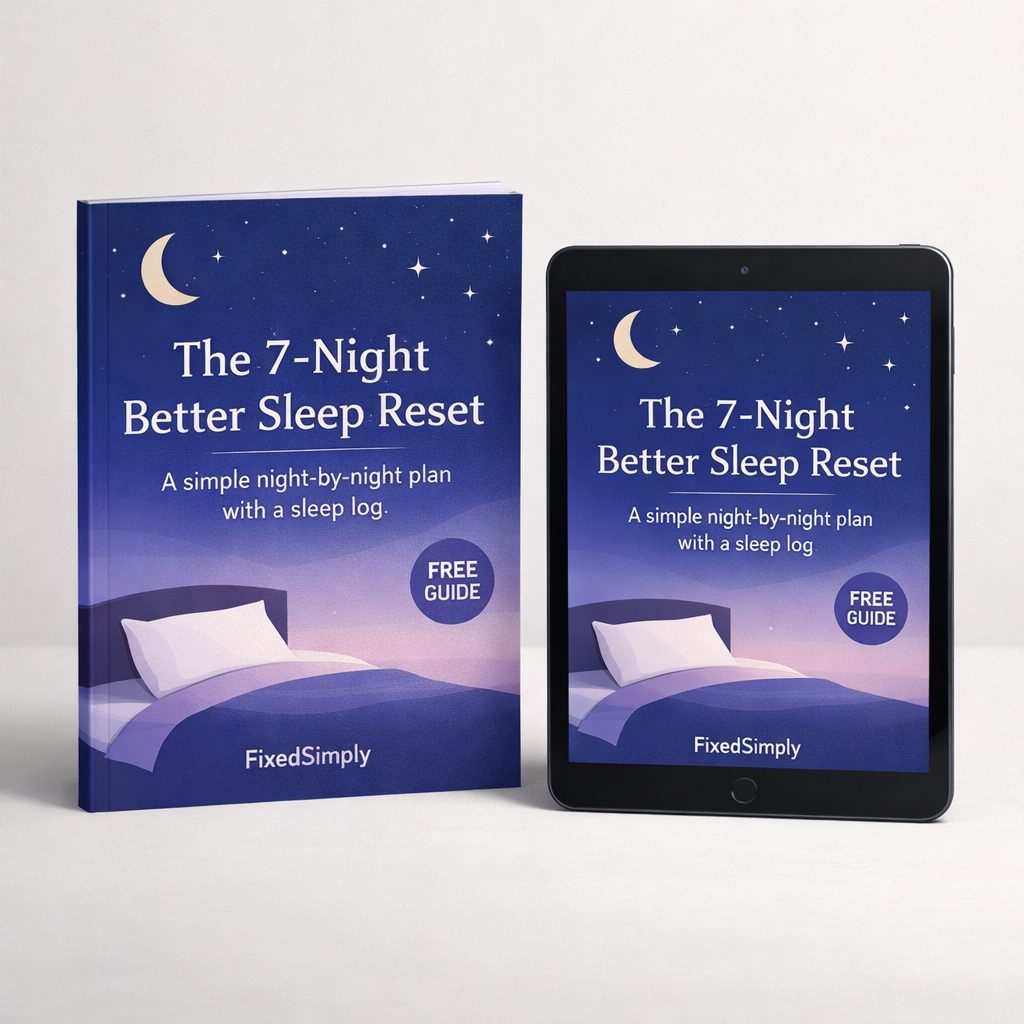
The 7-Night Better Sleep Reset
Fall asleep faster, wake up fresher. Inside you get:
- A simple night-by-night plan for one week
- A wind-down routine you can start tonight
- A printable sleep log to spot patterns
100% free. No spam, unsubscribe anytime. Privacy policy.
What about sleep supplements?
Melatonin has the most research. Low doses (0.5 to 3 mg) can help with jet lag and a body clock that runs late, and may modestly help some older adults fall asleep. Other popular ingredients include magnesium, valerian, chamomile, L-theanine and ashwagandha; evidence for these is weaker and mixed.
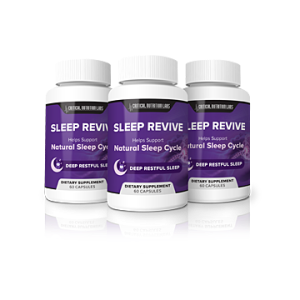
Some readers choose to try a sleep formula alongside the habits above, often because it comes with a money-back guarantee. If you do:
- Check with your pharmacist, especially if you take blood thinners, blood pressure tablets, antidepressants or other sedating medicines.
- Do not combine with alcohol or prescription sleeping pills.
- If you snore heavily or feel exhausted during the day, get checked for sleep apnea first; a supplement will not fix that.
Popular options readers ask about include Sleep Revive. If night-time unsteadiness or dizziness on getting up worries you, some readers also look at Neuro-Balance Therapy, an at-home balance program. Supplements are not evaluated by the FDA for these claims.

It is important to remember that supplements are not a magic fix for sleep problems. While melatonin may help some people, especially with jet lag or a delayed sleep phase, it is not a cure for insomnia. Other ingredients, such as valerian or magnesium, have mixed results in studies. Always talk to your healthcare provider before starting any supplement, especially if you take other medications or have health conditions. Supplements may interact with prescription drugs or cause unwanted side effects.
Common mistakes to avoid
- Clock-watching: Checking the time when you wake up at night can increase anxiety and make it harder to fall back asleep.
- Spending too much time in bed: Lying in bed awake for hours can weaken the connection between bed and sleep.
- Napping late in the day: Daytime naps, especially after 3 p.m., can make it harder to fall asleep at night.
- Using sleeping pills long-term: Prescription or over-the-counter sleep aids can cause dependence and do not address the underlying causes of insomnia.
- Ignoring underlying health issues: Conditions like sleep apnea, restless legs syndrome, depression, or chronic pain often need specific treatment.
Checklist: Steps for better sleep tonight
- Set your alarm for the same time every morning.
- Get outside or open your blinds for morning sunlight.
- Avoid caffeine after lunch.
- Keep your bedroom cool, dark, and quiet.
- Turn off screens at least 30 minutes before bed.
- Follow a relaxing wind-down routine.
- Go to bed only when you feel sleepy.
- If you wake up and cannot fall back asleep, leave the bedroom and do something calming until you feel drowsy.
- Talk to your doctor if sleep problems persist or you have symptoms of sleep apnea.
Frequently asked questions
Why do I wake up so often at night as I get older?
As we age, our sleep becomes lighter and we spend less time in deep sleep. This makes us more likely to wake up from minor disturbances like noise, pain, or needing to use the bathroom. Hormonal changes and health conditions can also play a role.
Is it normal to wake up once or twice a night?
Yes, brief awakenings during the night are normal, especially as we get older. Most people wake up a few times each night but fall back asleep quickly. If you are awake for long periods or feel tired during the day, it may be worth looking at your sleep habits or talking to a doctor.
Can I catch up on lost sleep by sleeping in?
Sleeping in on weekends can actually disrupt your body clock and make it harder to sleep well during the week. It is better to keep your wake-up time consistent and focus on healthy sleep habits to improve your sleep quality over time.
Are naps bad for sleep?
Short naps (20 to 30 minutes) early in the day can be refreshing and do not usually interfere with night-time sleep. Long or late-afternoon naps, however, can make it harder to fall asleep at night.
When should I consider professional help for sleep problems?
See your doctor if sleep issues last more than a few weeks, affect your daily life, or if you have symptoms like loud snoring, gasping, or feeling exhausted during the day. Also seek help for restless legs, chronic pain, depression, or anxiety that interferes with sleep.
Is it safe to use over-the-counter sleep aids?
Over-the-counter sleep aids can cause side effects, dependence, and may interact with other medications. They are not recommended for long-term use. Talk to your doctor or pharmacist before trying any sleep aid, especially if you have health conditions or take other medications.
The bottom line
Better sleep usually comes from a steady wake-up time, morning light, less caffeine and alcohol, a calm bedroom and, for stubborn insomnia, CBT-I. Rule out sleep apnea if you snore. Supplements can be an optional extra, not the foundation.
Want this as a handy printable?
The 7-Night Better Sleep Reset
Fall asleep faster, wake up fresher. Inside you get:
- A simple night-by-night plan for one week
- A wind-down routine you can start tonight
- A printable sleep log to spot patterns
100% free. No spam, unsubscribe anytime. Privacy policy.
Disclosure: links marked as sponsored are affiliate links. If you buy through them we may earn a commission at no extra cost to you. This article is for information only and is not medical advice.
Sources and further reading
This guide is for general information only and is not a substitute for professional advice. See our editorial policy.
Products mentioned in this guide
Affiliate links. Results vary. This is not medical advice.
2 thoughts on “Can’t Sleep Through the Night? A Plain-English Guide to Better Sleep”
Comments are closed.