

Magnesium is one of the most popular natural sleep aids. If you are trying it, timing and type matter. Here is a plain-English guide to when to take magnesium for sleep.
- Key takeaways:
- Take magnesium 30 to 60 minutes before bedtime for best results.
- Magnesium glycinate is usually gentlest on the stomach and popular for sleep.
- Stick to the recommended dose, typically not more than 350 mg from supplements daily unless advised by your doctor.
- Magnesium is not a cure-all; pair it with good sleep habits for best results.
- Check with your doctor or pharmacist if you take medications or have kidney issues.
Best timing
Most people take magnesium 30 to 60 minutes before bed, often with a light snack to reduce stomach upset. Consistency matters more than the exact minute: take it at the same time each evening for a few weeks to judge whether it helps.
Magnesium does not act like a sleeping pill. It works gradually by supporting the body’s natural sleep processes. Taking it too early in the day may not help sleep, and taking it right at bedtime may not give it enough time to be absorbed. The 30 to 60 minute window allows your body to start processing it as you wind down for the night.
If you have trouble remembering, try setting a nightly reminder or pairing your magnesium with another part of your bedtime routine, such as brushing your teeth.
Which type?
- Magnesium glycinate (bisglycinate): gentle on the stomach and popular for sleep and relaxation.
- Magnesium citrate: well absorbed but can loosen stools, so it suits people prone to constipation.
- Magnesium L-threonate: marketed for brain health; more expensive and less studied.
- Magnesium oxide: cheap but poorly absorbed and more likely to cause diarrhea.
Choosing the right type of magnesium can make a difference in how well you tolerate it and how effective it feels for sleep. Here is a quick comparison:
- Glycinate: Well absorbed, gentle, and less likely to cause digestive upset. Often preferred for relaxation and sleep.
- Citrate: Good absorption, but can act as a mild laxative. May help if you are constipated, but not ideal if you have loose stools or a sensitive stomach.
- L-threonate: Promoted for cognitive benefits, but research is limited and it is usually pricier. Not first-line for sleep.
- Oxide: Least expensive, but poorly absorbed and most likely to cause diarrhea. Generally not recommended for sleep support.
When choosing a supplement, look for clear labeling and reputable brands. If you have trouble swallowing pills, magnesium is also available in powders and chewables.

How much?
Studies on sleep have commonly used around 200 to 500 mg of elemental magnesium. The US upper limit for magnesium from supplements is 350 mg a day for adults unless a doctor advises more. Food sources such as nuts, seeds, beans, leafy greens and whole grains do not count toward that limit.
To understand the dose, check your supplement label for “elemental magnesium.” Some products list the total compound weight, which is much higher than the actual magnesium content. For example, 1000 mg of magnesium citrate contains only about 160 mg of elemental magnesium.
Checklist for safe magnesium use:
- Read the label and calculate elemental magnesium content.
- Do not exceed 350 mg daily from supplements unless directed by your doctor.
- Combine with magnesium-rich foods for overall health.
- Space out from certain medications (see below).
- Monitor for side effects like diarrhea or cramping.
Does it work?
Evidence is modest. Small studies, mainly in older adults, suggest magnesium may slightly improve how quickly people fall asleep and sleep quality, especially in those with low magnesium. It is not a strong sedative, and good sleep habits matter more; see our sleep hygiene checklist.
Magnesium appears to help regulate neurotransmitters and support the body’s natural relaxation response. However, it is not a magic bullet. Most people notice only mild improvements, if any. Good sleep hygiene, like keeping a regular bedtime, limiting screen time before bed, and creating a calm sleep environment, remains the foundation for better sleep.
For people with a diagnosed magnesium deficiency, correcting the deficiency may have a greater effect on sleep quality. For those who already get enough magnesium from food, supplements may have less noticeable impact.
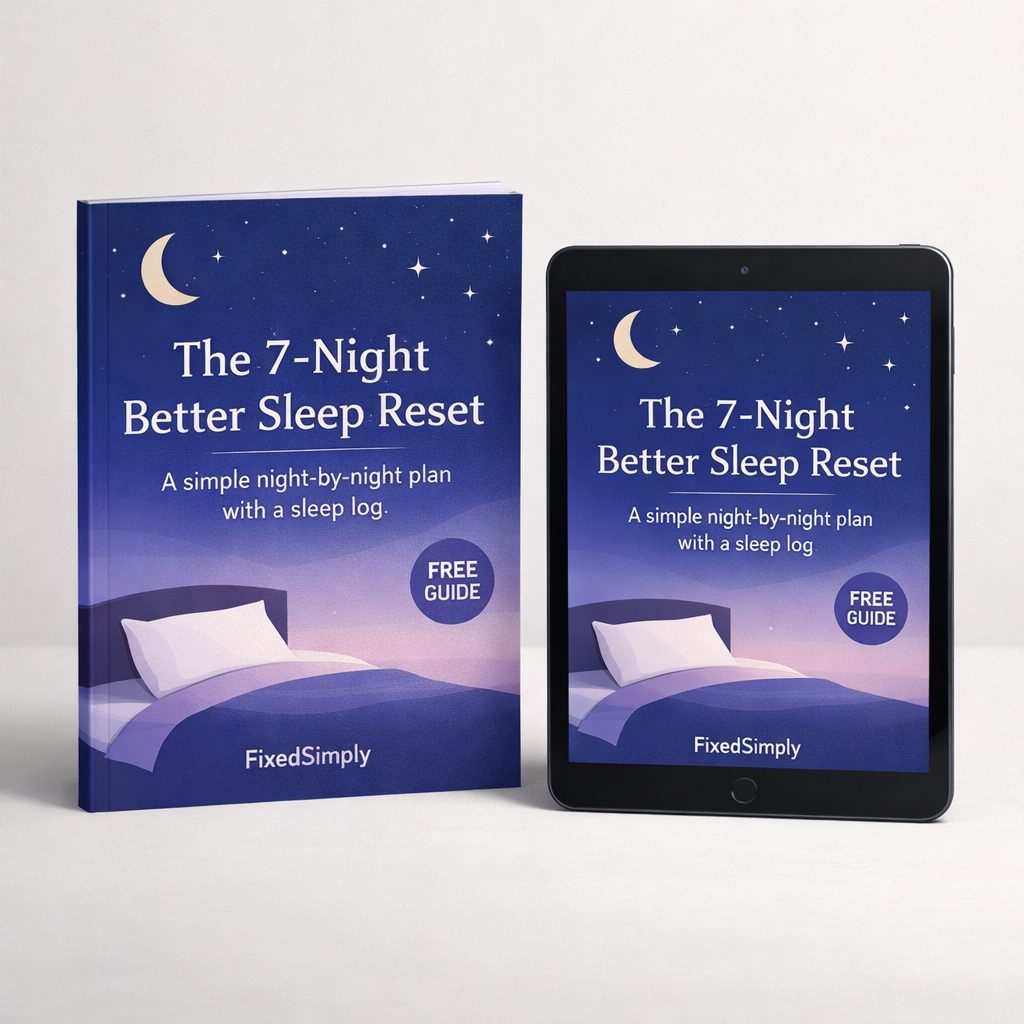
The 7-Night Better Sleep Reset
Fall asleep faster, wake up fresher. Inside you get:
- A simple night-by-night plan for one week
- A wind-down routine you can start tonight
- A printable sleep log to spot patterns
100% free. No spam, unsubscribe anytime. Privacy policy.
How magnesium supports sleep
Magnesium is involved in hundreds of body processes, including those that help you relax and sleep. It helps regulate melatonin, the hormone that signals your body to wind down. Magnesium also supports GABA, a neurotransmitter that quiets nerve activity and promotes calmness.
Low magnesium levels may contribute to restless sleep or trouble falling asleep. However, not everyone with sleep issues is low in magnesium. Blood tests can help identify a deficiency, though most mild deficiencies are not detected with standard blood work.
Who should be careful
- People with kidney disease
- Anyone taking antibiotics (tetracyclines, quinolones), bisphosphonates or thyroid medicine: separate doses by a few hours
- People on blood pressure medicines or diuretics: ask your pharmacist
Magnesium is usually safe for healthy adults when used as directed. However, people with kidney problems should avoid extra magnesium unless prescribed, as their bodies may not clear it efficiently, leading to dangerous buildup. High magnesium levels can cause symptoms such as nausea, muscle weakness, and irregular heartbeat.
Some medications interact with magnesium. For example, magnesium can bind to certain antibiotics, thyroid medications, and osteoporosis drugs, making them less effective. To avoid this, take magnesium at least two to four hours apart from these medications.
If you take blood pressure medicines or diuretics, check with your pharmacist or healthcare provider before starting magnesium supplements, as these can affect magnesium balance in the body.
If you experience ongoing diarrhea, severe cramping, or any new symptoms after starting magnesium, stop use and consult your doctor.
Other sleep options
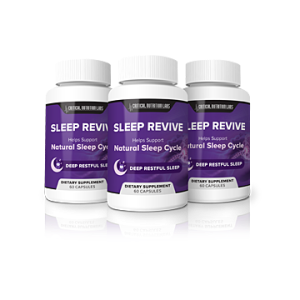
See insomnia symptoms for when to get help, and CBT-I for long-term insomnia. Some readers also try sleep formulas like Sleep Revive.
Magnesium is just one tool for better sleep. For ongoing sleep problems, especially if you have trouble falling or staying asleep more than three nights a week for several months, consider seeing your doctor. Cognitive behavioral therapy for insomnia (CBT-I) is the gold standard for chronic insomnia and can be more effective than medication or supplements.
Other natural options include practicing relaxation techniques, limiting caffeine in the afternoon, and keeping your bedroom cool and dark. If you try sleep supplements, use them as part of a broader plan focused on healthy routines.
Common mistakes to avoid
- Taking too much: More is not better. High doses can cause diarrhea, stomach cramps, or even dangerous heart effects.
- Ignoring interactions: Always check for medication interactions, especially if you take prescription drugs.
- Expecting instant results: Magnesium works gradually. Give it a few weeks, and focus on overall sleep habits.
- Using the wrong form: If you get digestive upset, try switching to magnesium glycinate or lowering the dose.
- Not checking with your doctor: If you have health conditions or take medications, ask before starting magnesium supplements.
Frequently asked questions
Can I take magnesium with other sleep aids?
Magnesium can usually be taken with other natural sleep aids, such as melatonin or herbal teas, but always check for interactions if you take prescription medications. Avoid combining with other supplements that may affect blood pressure or interact with your medications unless your doctor approves.
What are signs I am getting too much magnesium?
Common signs of excess magnesium include diarrhea, nausea, and stomach cramping. Severe cases (usually only with very high doses or kidney problems) can cause low blood pressure, confusion, irregular heartbeat, and muscle weakness. If you notice any of these, stop taking magnesium and contact your healthcare provider.
How long does it take for magnesium to help sleep?
Some people notice effects within a few days, while others may need two to four weeks of consistent use to judge benefits. Remember, magnesium is not a sedative, so improvements are usually subtle and gradual.
Is magnesium safe for older adults?
Magnesium supplements can be safe for older adults when used as directed, but older adults are more likely to have kidney issues or take medications that interact with magnesium. Always consult your doctor before starting a new supplement if you are over 65 or have health conditions.
Can I get enough magnesium from food?
Many people can meet their magnesium needs through a balanced diet. Good sources include leafy greens, nuts, seeds, beans, and whole grains. Supplements are only recommended if you have trouble getting enough from food or if your doctor suggests them for a deficiency or specific health need.
Should I take magnesium on an empty stomach or with food?
Most people tolerate magnesium supplements better with food, which can help prevent stomach upset. A light snack before bed along with your magnesium is a good choice for most people.
The bottom line
Take magnesium 30 to 60 minutes before bed, choose a gentle form like glycinate, stay within safe doses and check interactions. Expect a modest effect at best, and pair it with good sleep habits.
Want this as a handy printable?
The 7-Night Better Sleep Reset
Fall asleep faster, wake up fresher. Inside you get:
- A simple night-by-night plan for one week
- A wind-down routine you can start tonight
- A printable sleep log to spot patterns
100% free. No spam, unsubscribe anytime. Privacy policy.
Disclosure: links marked as sponsored are affiliate links. If you buy through them we may earn a commission at no extra cost to you. This article is for information only and is not medical advice.
Sources and further reading
This guide is for general information only and is not a substitute for professional advice. See our editorial policy.
Products mentioned in this guide
Affiliate links. Results vary. This is not medical advice.