

Forgetting what you just read, where you put your keys, or what someone told you this morning can be worrying. The good news is that many causes of short-term memory loss are common and treatable.
- Short-term memory loss is often caused by everyday factors like poor sleep, stress, and distraction.
- Many medical causes are reversible, including vitamin deficiencies and side effects from medications.
- Occasional forgetfulness is normal with aging, but increasing lapses should be checked by a doctor.
- Simple lifestyle changes, such as better sleep and attention techniques, can help improve memory.
- See a doctor if memory loss worsens, affects daily life, or comes with other symptoms.
Everyday causes
- Poor sleep, including sleep apnea. Memories are consolidated during sleep.
- Stress and anxiety, which use up attention.
- Depression, which can look very like memory problems.
- Multitasking and distraction. If you were not paying attention, the memory may never have formed.
- Alcohol, especially heavy drinking.
- Dehydration and skipped meals.
How these everyday causes affect memory
Short-term memory relies on your brain’s ability to pay attention, process information, and store it for later. Everyday factors can interfere with these steps:
- Poor sleep disrupts the brain’s ability to process and store new memories. Sleep apnea, in particular, repeatedly interrupts deep sleep, which is when memories are consolidated.
- Stress and anxiety flood the body with stress hormones like cortisol. This diverts your brain’s resources toward dealing with stress and away from memory storage.
- Depression can slow mental processes, making it harder to focus and recall information. In some cases, memory changes may be the most obvious symptom of depression.
- Multitasking and distraction mean your brain never fully processes information in the first place. If you do not pay attention, you cannot remember.
- Alcohol impairs brain function, especially with heavy or frequent drinking. It can block the formation of new memories even after just a few drinks.
- Dehydration and skipped meals can cause brain fog and reduce attention, making it harder to remember recent events.
Common mistakes to avoid
- Assuming memory loss is always a sign of aging or dementia
- Ignoring sleep problems, especially snoring or gasping for air at night
- Trying to multitask when learning or remembering something important
- Relying on willpower alone instead of using reminders and lists
Medical causes
- Medicines such as some sleep aids, antihistamines, bladder medicines, anxiety drugs and pain medicines. Ask your pharmacist to review your list.
- Vitamin B12 deficiency, more common with age and with some medicines like metformin and acid reducers.
- Underactive thyroid.
- Infections, especially urinary infections in older adults, which can cause sudden confusion.
- Head injury, even a mild one.
- Conditions affecting the brain, such as mild cognitive impairment, stroke or dementia.
How these medical causes work
- Medicines can interfere with brain chemicals needed for memory. Some drugs block acetylcholine, a neurotransmitter involved in memory and learning. Others may cause drowsiness or confusion as a side effect.
- Vitamin B12 deficiency affects the nervous system and can cause confusion, memory loss, or even nerve damage if not treated. B12 helps maintain healthy brain cells and nerve function.
- Underactive thyroid (hypothyroidism) slows metabolism, which can affect brain function and lead to forgetfulness, sluggish thinking, and difficulty concentrating.
- Infections, especially in older adults, can cause delirium or sudden confusion. Urinary tract infections and pneumonia are common triggers. The confusion often resolves when the infection is treated.
- Head injury can disrupt the brain’s ability to form or retrieve memories. Even mild concussions may cause temporary short-term memory loss.
- Conditions affecting the brain include mild cognitive impairment, stroke, and dementia. These can cause progressive memory problems, but early diagnosis and treatment can help manage symptoms.
Checklist: When to suspect a medical cause
- Memory loss started suddenly or after a new medicine
- Other symptoms are present (fatigue, mood changes, confusion, weakness, speech problems)
- History of head injury, recent infection, or chronic health issues
- Memory loss is getting worse or affecting daily life

Normal aging vs something more
Occasionally forgetting a name and remembering it later is normal. Repeating the same questions, getting lost in familiar places, struggling with familiar tasks or others noticing a change are reasons to get checked.
Understanding normal aging
As we age, it is normal to take longer to recall information or to occasionally forget small details. Most people notice that they may need more reminders or lists to keep track of things, especially when busy or distracted. However, these changes should not interfere with daily life or independence.
Warning signs of a more serious problem
- Forgetting important appointments or events repeatedly
- Repeating questions or stories in the same conversation
- Getting lost in familiar places or unable to follow directions
- Difficulty handling money, cooking, or managing medications
- Personality or behavior changes noticed by others
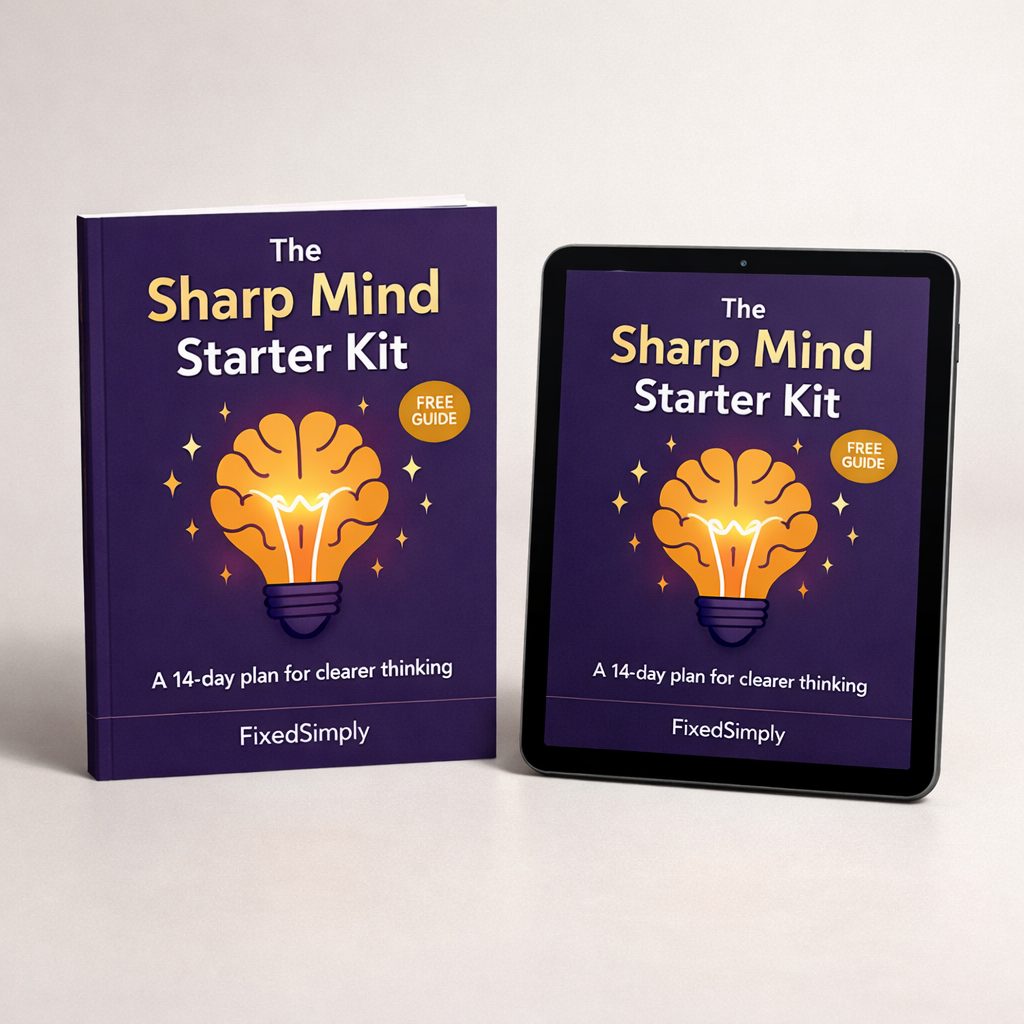
The Sharp Mind Starter Kit
Clearer thinking in 14 days. Inside you get:
- A day-by-day plan of easy brain habits
- Foods, sleep and movement that support focus
- A printable memory and mood log
100% free. No spam, unsubscribe anytime. Privacy policy.
When to see a doctor
Book an appointment if memory lapses are increasing or affecting daily life. Your doctor can check blood tests and medicines and refer you if needed; see which doctor to see for memory loss. Call emergency services for sudden confusion with weakness, slurred speech or a severe headache.
What to expect at the doctor
Your doctor will ask about your symptoms, review your medications, and may order blood tests to check for treatable causes. They may also suggest a cognitive assessment or refer you to a specialist if needed. Bring a list of your medications and any recent changes in health or behavior to your appointment.
Red flags: When to seek help immediately
- Sudden memory loss or confusion
- Memory loss with weakness, numbness, vision changes, or trouble speaking
- Severe headache or head injury
- Memory loss with high fever or signs of infection
What helps
- Prioritize sleep and treat sleep apnea if present
- Exercise regularly; it is linked with better memory
- Use lists, calendars and phone reminders
- Single-task and give new information your full attention
- Stay social and keep learning
Step-by-step tips for improving short-term memory
- Get enough sleep: Aim for 7 to 8 hours per night. Treat sleep apnea if you snore or feel tired during the day.
- Manage stress: Try relaxation techniques like deep breathing, gentle exercise, or mindfulness.
- Eat regularly and stay hydrated: Skipping meals or not drinking enough water can impair memory.
- Review your medications: Ask your pharmacist or doctor if any of your medicines could affect memory.
- Stay organized: Use a calendar, notepad, or phone reminders for appointments and tasks.
- Focus on one thing at a time: Give your full attention to what you want to remember. Repeat names or information out loud if needed.
- Exercise your brain: Try puzzles, reading, or learning something new to keep your mind active.
- Stay social: Regular conversations and social activities can help support memory and mood.
Comparison: Everyday forgetfulness vs concerning memory loss
| Everyday Forgetfulness | Concerning Memory Loss |
|---|---|
| Occasionally misplacing keys | Frequently forgetting where you are or how you got there |
| Forgetting a name but remembering it later | Repeating the same question over and over |
| Needing reminders for appointments | Missing important events or appointments repeatedly |
| Distraction when busy | Getting lost in familiar places |
See also brain fog symptoms.
Brain supplements
No supplement is proven to prevent memory loss. Some readers try products like Phytomem One or NeuroPrime as an extra; please get checked first.

What to know about supplements
While some supplements are marketed for memory or brain health, none are proven to prevent or treat memory loss in well-designed studies. If you choose to try a supplement, talk with your doctor first, especially if you take other medications or have health conditions. Be cautious of products that promise dramatic results or claim to “cure” memory loss.
Frequently asked questions
Can short-term memory loss be reversed?
In many cases, yes. If memory loss is due to treatable causes like poor sleep, medication side effects, vitamin deficiencies, depression, or stress, it can often be improved or reversed with proper treatment and lifestyle changes.
What is the difference between short-term and long-term memory loss?
Short-term memory loss refers to trouble remembering recent information, such as what you had for breakfast or a conversation from a few minutes ago. Long-term memory loss affects memories from the distant past, such as childhood events. Most common causes of forgetfulness affect short-term memory first.
Which medications commonly cause memory problems?
Medications that may affect memory include certain sleep aids, antihistamines, bladder control drugs, some anxiety medicines (like benzodiazepines), and some pain medicines (especially those with sedative effects). Always ask your pharmacist or doctor to review your medication list if you notice memory changes.
Is memory loss always a sign of dementia?
No. Most short-term memory problems are due to everyday factors or treatable medical issues, not dementia. Dementia is diagnosed when memory loss is severe, persistent, and affects daily life and independence. If you are concerned, see your doctor for an evaluation.
How can I tell if my memory loss is serious?
If you or someone close to you notices increasing forgetfulness, trouble managing daily tasks, repeating questions, getting lost, or personality changes, it is important to see a doctor. Sudden confusion, especially with other symptoms, should be treated as an emergency.
Can lifestyle changes really help my memory?
Yes. Good sleep, regular exercise, healthy eating, staying organized, and managing stress all support healthy brain function and memory. These changes can make a significant difference, especially when memory loss is due to everyday causes.
The bottom line
Short-term memory problems often come from sleep, stress, mood, medicines or vitamin deficiencies, all of which can be addressed. Get checked if lapses are increasing.
Want this as a handy printable?
The Sharp Mind Starter Kit
Clearer thinking in 14 days. Inside you get:
- A day-by-day plan of easy brain habits
- Foods, sleep and movement that support focus
- A printable memory and mood log
100% free. No spam, unsubscribe anytime. Privacy policy.
Disclosure: links marked as sponsored are affiliate links. If you buy through them we may earn a commission at no extra cost to you. This article is for information only and is not medical advice.
Sources and further reading
This guide is for general information only and is not a substitute for professional advice. See our editorial policy.
Products mentioned in this guide
Affiliate links. Results vary. This is not medical advice.