

Everyone has a rough night now and then. Insomnia is different: trouble sleeping that keeps happening and starts to affect your days. Here is how to recognize insomnia symptoms and what to do about them.
- Key takeaways:
- Insomnia means regular difficulty falling or staying asleep, with daytime effects.
- Symptoms include trouble falling asleep, waking in the night, and feeling tired or irritable during the day.
- Short-term insomnia often passes, but chronic insomnia lasts at least 3 months and needs attention.
- Stress, irregular schedules, and some medicines are common triggers.
- CBT-I and good sleep habits are the best-proven treatments.
- See a doctor if insomnia lasts weeks, affects your mood, or you notice signs of sleep apnea.
Night-time symptoms
- Taking more than about 30 minutes to fall asleep
- Waking during the night and struggling to get back to sleep
- Waking much earlier than you want and being unable to drop off again
- Sleep that feels light or unrefreshing
- Lying awake worrying about not sleeping
These symptoms may come and go, or become a nightly pattern. It’s normal to have an occasional restless night, but if these issues happen several times a week, it could be insomnia. The longer insomnia continues, the more likely it is to affect your health and daily life.
Daytime symptoms
- Tiredness and low energy
- Poor concentration and memory, or brain fog
- Irritability, low mood or anxiety
- Making more mistakes, or feeling clumsy
- Headaches or an upset stomach
- Worry about sleep as bedtime approaches
Daytime symptoms are a key sign that sleep problems are more than just a bad night. If you notice these issues regularly, especially after nights of poor sleep, it may be time to address your sleep habits or seek help.

Short-term vs chronic insomnia
Short-term insomnia lasts days to a few weeks and is usually linked to stress, illness, travel or a life change. Chronic insomnia means trouble sleeping at least three nights a week for three months or more, despite having the chance to sleep. Chronic insomnia often takes on a life of its own, even after the original trigger is gone.
- Short-term insomnia:
- Often tied to a specific event (stress, travel, illness, loss)
- Usually improves as the situation resolves
- May not need medical treatment if it passes
- Chronic insomnia:
- Continues at least 3 nights a week for 3 months or more
- May persist even after the original cause is gone
- Often needs structured treatment to break the cycle
Chronic insomnia can increase the risk of health problems like high blood pressure, depression, and anxiety. It can also make day-to-day tasks harder and reduce your quality of life.
Common causes
- Stress, anxiety and depression
- Irregular schedules, shift work and long naps
- Caffeine, alcohol and nicotine
- Pain, reflux, frequent urination at night, hot flushes and breathing problems
- Medicines including some antidepressants, steroids, decongestants and blood pressure drugs
- Screens and bright light late in the evening
Understanding what triggers insomnia can help you manage or prevent it. For many people, a stressful event or change in routine starts the problem. Over time, habits like worrying about sleep or spending long hours in bed awake can keep insomnia going, even after the original cause is gone.
How these causes affect sleep
- Stress and anxiety: Activate the body’s alert system, making it hard to relax and fall asleep.
- Irregular schedules: Disrupt your internal body clock, making sleep harder.
- Caffeine, alcohol, nicotine: Caffeine and nicotine are stimulants, while alcohol can disrupt deep sleep and cause early waking.
- Pain and medical issues: Discomfort, frequent trips to the bathroom, or breathing problems can interrupt sleep.
- Medicines: Some drugs cause wakefulness or vivid dreams that disturb sleep.
- Screens and light: Blue light from phones, tablets and TVs can delay melatonin release, making it harder to fall asleep.
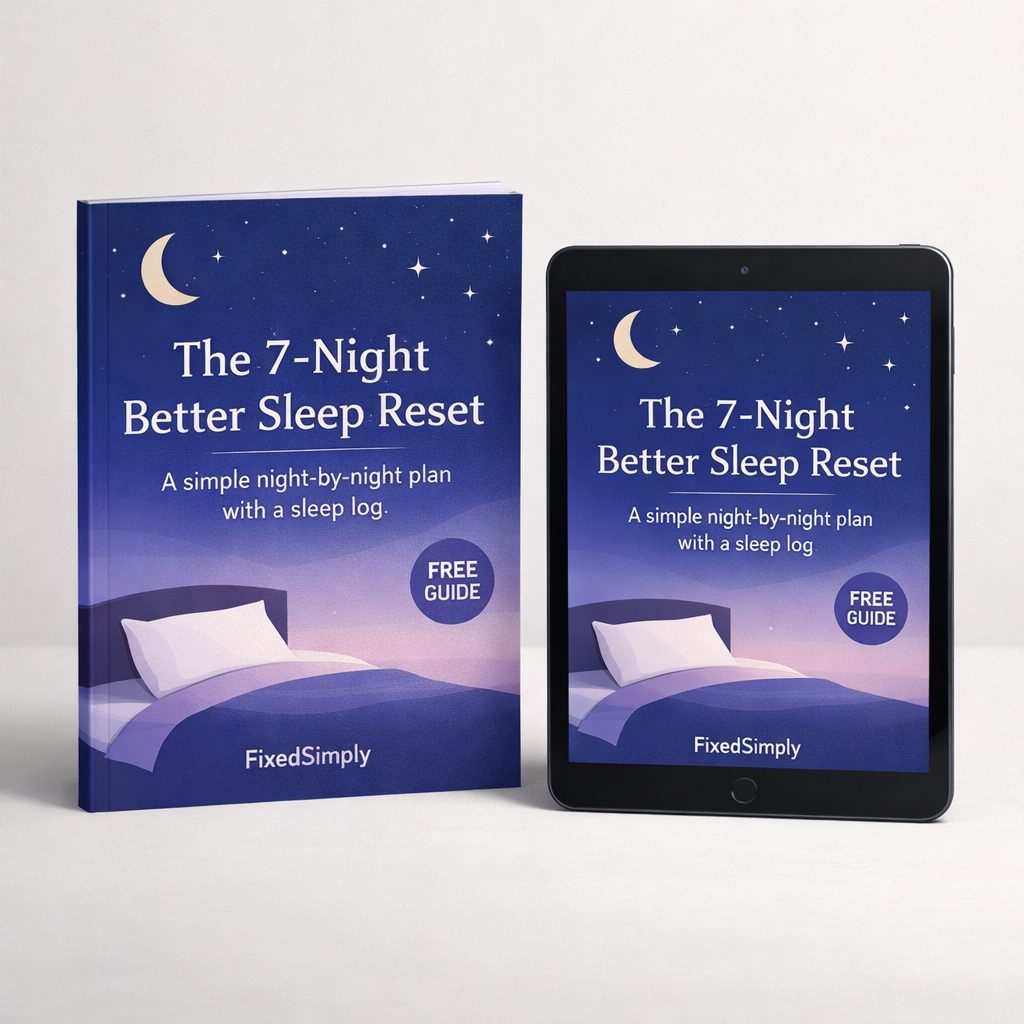
The 7-Night Better Sleep Reset
Fall asleep faster, wake up fresher. Inside you get:
- A simple night-by-night plan for one week
- A wind-down routine you can start tonight
- A printable sleep log to spot patterns
100% free. No spam, unsubscribe anytime. Privacy policy.
Is it insomnia or something else?
Loud snoring, gasping or pauses in breathing suggest sleep apnea. An urge to move your legs in the evening suggests restless legs syndrome. Both need different treatment, so mention them to your doctor.
Other conditions that can mimic or worsen insomnia include:
- Sleep apnea: Repeated pauses in breathing during sleep, often with loud snoring or choking sounds. Leads to non-restorative sleep and daytime sleepiness.
- Restless legs syndrome (RLS): Uncomfortable urge to move your legs, especially in the evening. Makes it hard to settle down and fall asleep.
- Periodic limb movement disorder: Involuntary leg movements during sleep that can fragment sleep.
- Depression and anxiety disorders: Can both cause and result from sleep issues.
- Chronic pain conditions: Pain can make it tough to get comfortable enough to sleep well.
If you notice symptoms like gasping, choking, or an irresistible urge to move your legs, tell your doctor. Treating the underlying condition is key for better sleep.
What works for insomnia
- CBT-I (cognitive behavioral therapy for insomnia) is the first-choice treatment recommended by sleep experts. It is available with therapists, online and through apps.
- A fixed wake-up time every day, even after a bad night.
- Get out of bed if you are awake for around 20 minutes, and return when sleepy.
- Morning daylight and an earlier caffeine cut-off.
- A calm wind-down hour. Our sleep hygiene checklist has the full list.
CBT-I helps you change thoughts and behaviors that keep insomnia going. It teaches you how to set up a positive sleep environment, manage worries about sleep, and reset your body’s sleep drive. Studies show it works better than sleep medicines for most people, with lasting results.
Good sleep habits (sleep hygiene) also play a big role. These include keeping a regular sleep schedule, limiting naps, avoiding screens before bed, and creating a comfortable, dark bedroom. For more tips, use our sleep hygiene checklist.
Step-by-step tips for better sleep
- Go to bed and wake up at the same time every day, even weekends.
- Limit caffeine to the morning and avoid alcohol or heavy meals late at night.
- Make your bedroom cool, quiet and dark.
- Wind down with relaxing activities before bed, like reading or gentle stretching.
- If you cannot sleep, leave the bedroom and do something quiet until sleepy.
- Use your bed only for sleep and intimacy, not for watching TV or worrying.
Common mistakes to avoid
- Spending too much time in bed awake, which can make insomnia worse.
- Trying to “catch up” on sleep with long naps or sleeping in, which disrupts your sleep rhythm.
- Watching the clock or worrying about not sleeping, which increases anxiety.
- Using alcohol as a sleep aid, which can fragment sleep.
- Ignoring ongoing symptoms, hoping they will go away on their own.
When to see a doctor
See your doctor if insomnia lasts more than a few weeks, affects your work or mood, or you suspect sleep apnea. Seek help right away if poor sleep comes with thoughts of harming yourself.
Your doctor may ask about your sleep habits, health conditions, medicines, and stress. They may suggest a sleep diary or refer you to a sleep specialist if needed. Getting help early can prevent insomnia from becoming a long-term problem.
What about sleep supplements?
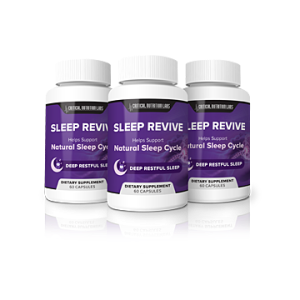
Low-dose melatonin may help some people, especially with body-clock problems. Evidence for other ingredients is weaker. Some readers try a sleep formula as an extra; Sleep Revive is one readers ask about. Check with your pharmacist, especially if you take other medicines.
For a full guide, see how to sleep through the night.
Remember, supplements are not a cure for insomnia. They may help some people as part of a broader plan, but do not rely on them alone. Always check for interactions with other medicines and talk to your doctor or pharmacist before starting anything new.
Insomnia checklist
- Do you have trouble falling asleep, staying asleep, or waking too early more than 3 times a week?
- Do you feel tired, irritable, or unfocused during the day?
- Has this been going on for more than a month?
- Do you worry about sleep or dread bedtime?
- Do you snore loudly, stop breathing at night, or have an urge to move your legs?
- Have you tried improving your sleep habits without success?
If you answered yes to several, talk to your doctor. Early help can prevent insomnia from becoming a long-term problem.
Frequently asked questions
How much sleep do adults really need?
Most adults need about 7 to 8 hours of sleep per night. Some people feel rested with a bit less, while others need more. The key is how you feel during the day. If you are alert and function well, you are likely getting enough sleep.
Can insomnia go away on its own?
Short-term insomnia often resolves once the stress or trigger passes. Chronic insomnia usually needs active treatment, like CBT-I and better sleep habits, to break the cycle. If insomnia lasts more than a few weeks, seek help.
Are sleeping pills safe for long-term use?
Prescription sleeping pills are meant for short-term use. Long-term use can lead to dependence, tolerance, and side effects. Non-drug treatments like CBT-I are safer and more effective for chronic insomnia.
Does exercise help with insomnia?
Regular exercise can improve sleep quality, but avoid vigorous activity close to bedtime. Aim for at least 30 minutes of moderate activity most days, but finish workouts at least a few hours before bed.
What if I wake up in the middle of the night and cannot get back to sleep?
If you are awake for about 20 minutes or more, get out of bed and do something quiet and relaxing (like reading) in dim light. Return to bed only when you feel sleepy. This helps train your brain to connect bed with sleep, not wakefulness.
When should I worry about my sleep problems?
See your doctor if insomnia lasts more than a few weeks, affects your mood or daily life, or you notice signs of sleep apnea (like loud snoring or gasping). Seek help right away if you have thoughts of harming yourself.
The bottom line
Insomnia means regular trouble falling or staying asleep that affects your days. Short-term insomnia usually passes; chronic insomnia responds best to CBT-I and consistent sleep habits.
Want this as a handy printable?
The 7-Night Better Sleep Reset
Fall asleep faster, wake up fresher. Inside you get:
- A simple night-by-night plan for one week
- A wind-down routine you can start tonight
- A printable sleep log to spot patterns
100% free. No spam, unsubscribe anytime. Privacy policy.
Disclosure: links marked as sponsored are affiliate links. If you buy through them we may earn a commission at no extra cost to you. This article is for information only and is not medical advice.
Sources and further reading
This guide is for general information only and is not a substitute for professional advice. See our editorial policy.
Products mentioned in this guide
Affiliate links. Results vary. This is not medical advice.